
During your second trimester pregnancy, your body’s nutritional needs shift dramatically. Understanding the key second trimester pregnancy nutrients is essential for optimal baby development. This comprehensive guide to second trimester pregnancy nutrients reveals exactly which nutrients matter most, why each one is critical.Your appetite is back, your energy is picking up—but now you’re wondering: Exactly what does my body need right now? And how do I know if I’m getting enough?

You’re not alone in asking these questions. The second trimester is when your baby’s development accelerates dramatically, and your nutritional needs shift in ways that most pregnant women don’t fully understand. While your doctor might tell you to “take a prenatal vitamin,” not all prenatal vitamins are created equal—and knowing which nutrients matter most can make a real difference in how you feel and how your baby develops.
In this article, you’ll discover the 6 essential nutrients your body needs during your second trimester of pregnancy, why each one matters, and how to ensure you’re getting optimal amounts. By the end, you’ll understand exactly what your body requires—and how to fill any nutritional gaps with confidence.
Let’s start with the foundation: iron.
Iron: Key Second Trimester Pregnancy Nutrient
During your second trimester, your blood volume expands by 40-50% to support your baby’s growth. This expansion requires extra iron—a lot of it.
Why It Matters
Iron is essential for producing hemoglobin, the protein in red blood cells that carries oxygen throughout your body and to your baby. As your blood volume increases, your body needs to create millions of new red blood cells. Without adequate iron, this process slows down, leading to fatigue, weakness, and in severe cases, iron deficiency anemia.
But iron does more than prevent fatigue. Your baby’s brain is developing rapidly during the second trimester, and iron plays a crucial role in cognitive formation. Research shows that adequate maternal iron levels support healthy brain development and reduce the risk of developmental delays.
The Numbers
Daily requirement: 27 mg (compared to 18 mg before pregnancy)
This is a 50% increase from pre-pregnancy needs—and most women don’t realize just how much more iron they need during pregnancy.
Best Food Sources
While food provides some iron, it’s challenging to meet pregnancy needs through diet alone:
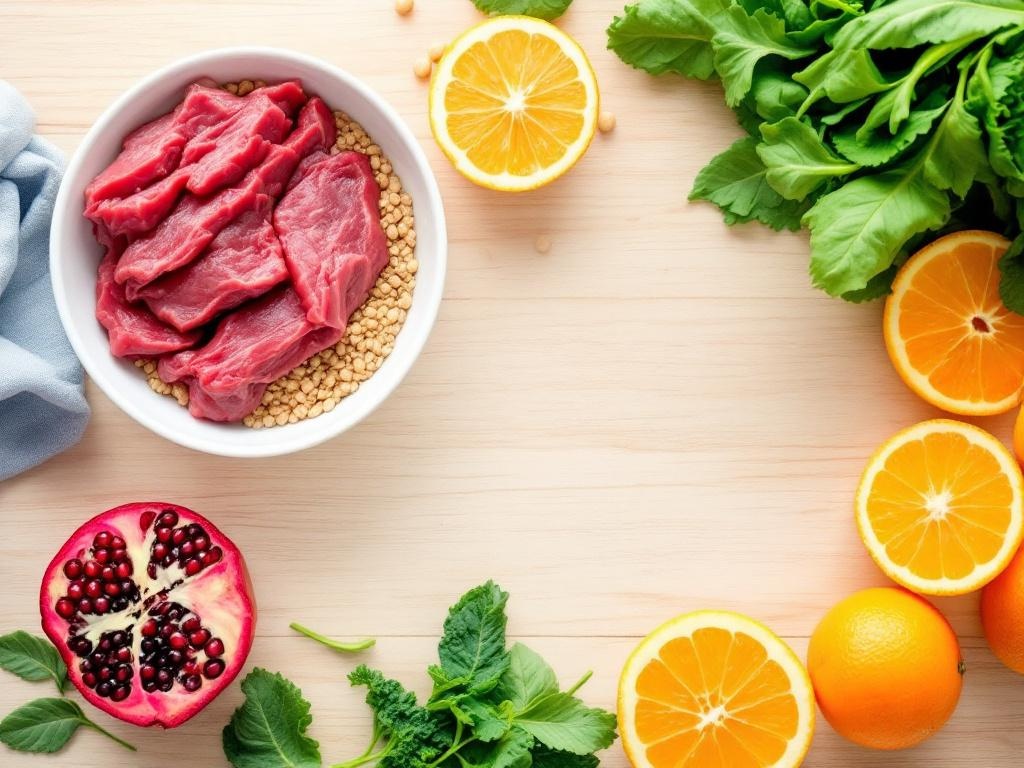
- Red meat (heme iron—better absorption): 3 oz beef provides 3 mg
- Lentils and beans (plant-based option): 1 cup cooked lentils provides 6.6 mg
- Fortified cereals: Check labels for iron content
- Dark leafy greens: Spinach, kale (pair with vitamin C for better absorption)
Absorption tip: Pair iron-rich foods with vitamin C sources like citrus fruits, tomatoes, or bell peppers to enhance absorption.
The Reality
Most pregnant women can’t meet their iron requirements through diet alone. Even if you’re eating iron-rich foods daily, pregnancy iron deficiency affects 1 in 3 pregnant women—but it’s entirely preventable with proper supplementation.
High-bioavailability iron (like the form found in quality prenatal vitamins with proper iron formulation) minimizes stomach upset while maximizing absorption.
Key Takeaway: Iron deficiency is common but preventable. Ensuring adequate iron intake supports your energy levels and your baby’s brain development.
Calcium: Essential Second Trimester Pregnancy Nutrient for Bone Health
Your baby’s skeleton is forming rapidly right now—and it needs 200+ mg of calcium daily. But here’s what most women don’t realize: your body protects your baby first, then you.
Why It Matters
If you’re not getting enough calcium through diet or supplementation, your body will pull calcium from your bones to meet your baby’s needs. This can lead to decreased bone density during pregnancy and increased risk of osteoporosis later in life.
Calcium does more than build bones and teeth. It’s also essential for:
- Heart function and blood clotting
- Muscle contraction
- Nerve transmission
Your baby WILL get the calcium it needs—the question is: are you protected too?
The Numbers
Daily requirement: 1,000-1,300 mg calcium
Higher amounts (1,300 mg) are recommended for pregnant teenagers whose own bones are still developing.
Best Food Sources
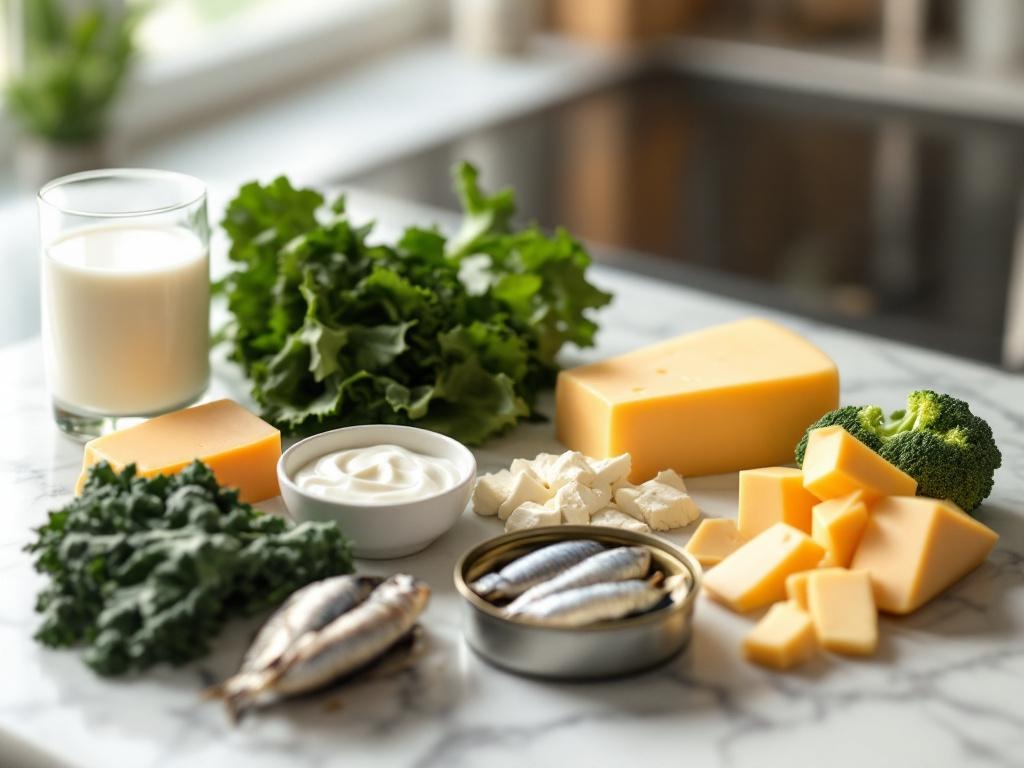
- Dairy products: 1 cup milk provides 300 mg
- Leafy greens: Kale, collard greens (NOT spinach—oxalates block absorption)
- Fortified plant-based milks: Check labels for calcium content
- Sardines with bones: 3 oz provides 325 mg
Important: Vitamin D helps your body absorb calcium, so they work together as a team.
The Quality Factor
Quality matters when it comes to calcium supplementation. Your body absorbs certain calcium forms better than others. Look for calcium carbonate or calcium citrate in your prenatal vitamins—these forms have the highest bioavailability.
Key Takeaway: Taking calcium seriously now protects both your baby’s development and your bone health for decades to come.
Quatrefolic® Folate: Essential Second Trimester Pregnancy Nutrient
Not all folate is created equal—and the form matters more than you think.
Why It Matters
Folate (vitamin B9) is essential for:
- Supporting normal neural tube development during early pregnancy (which continues into the second trimester)
- Cell replication during rapid fetal growth
- Red blood cell formation
- DNA synthesis
While neural tube development is most critical in the first trimester, your baby’s brain and nervous system continue developing throughout pregnancy, making consistent folate intake essential.
Folic Acid vs. Quatrefolic®: Understanding the Difference
This is where it gets interesting—and where quality prenatal vitamins stand apart from basic ones.
Folic acid is synthetic. Your body must convert it to the active form (methylfolate/5-MTHF) before it can be used. This conversion step isn’t 100% efficient for everyone. In fact, up to 40% of women have a genetic variation (MTHFR mutation) that reduces their ability to convert folic acid effectively.
Quatrefolic® is the already-active form of folate. Your body uses it directly—no conversion needed. Result: faster absorption and higher bioavailability.
Think of it like this: Quatrefolic® is like ordering pre-made pizza (ready to eat immediately), while folic acid is like buying flour and making pizza from scratch (requires extra steps and may not work perfectly).
The Numbers
Daily requirement: 600-1,000 mcg (higher end recommended in second trimester)
Why This Matters for You
If you’re taking a prenatal vitamin with standard folic acid and you have an MTHFR variation (which is common), you might not be absorbing all the folate you need. Upgrading to a prenatal with Quatrefolic® ensures your body gets what it needs, regardless of your genetic makeup.
Premium prenatal formulations like those specifically designed with Quatrefolic® instead of folic acid provide this bioavailable form.
Key Takeaway: The form of folate in your prenatal matters just as much as the amount. Quatrefolic® provides superior absorption.
DHA Omega-3: Critical Second Trimester Pregnancy Nutrient for Baby’s Brain
Your baby’s brain is growing at an incredible rate during the second trimester, and DHA (docosahexaenoic acid) is the primary building block.
Why It Matters
DHA is an omega-3 fatty acid that makes up a significant portion of your baby’s brain tissue and retinas. During the second and third trimesters, your baby’s brain undergoes rapid development, and adequate DHA is crucial for:
- Cognitive function and IQ development
- Visual development
- Nervous system formation
- Reducing risk of developmental delays
Studies show that adequate maternal DHA intake during pregnancy is associated with better cognitive outcomes in children, including improved problem-solving skills and language development.
The Challenge
Your body can’t produce DHA efficiently on its own. You must get it through diet or supplementation.
The Numbers
Daily recommendation: 200-300 mg DHA minimum
Many experts recommend 300-600 mg for optimal benefits.
Best Food Sources
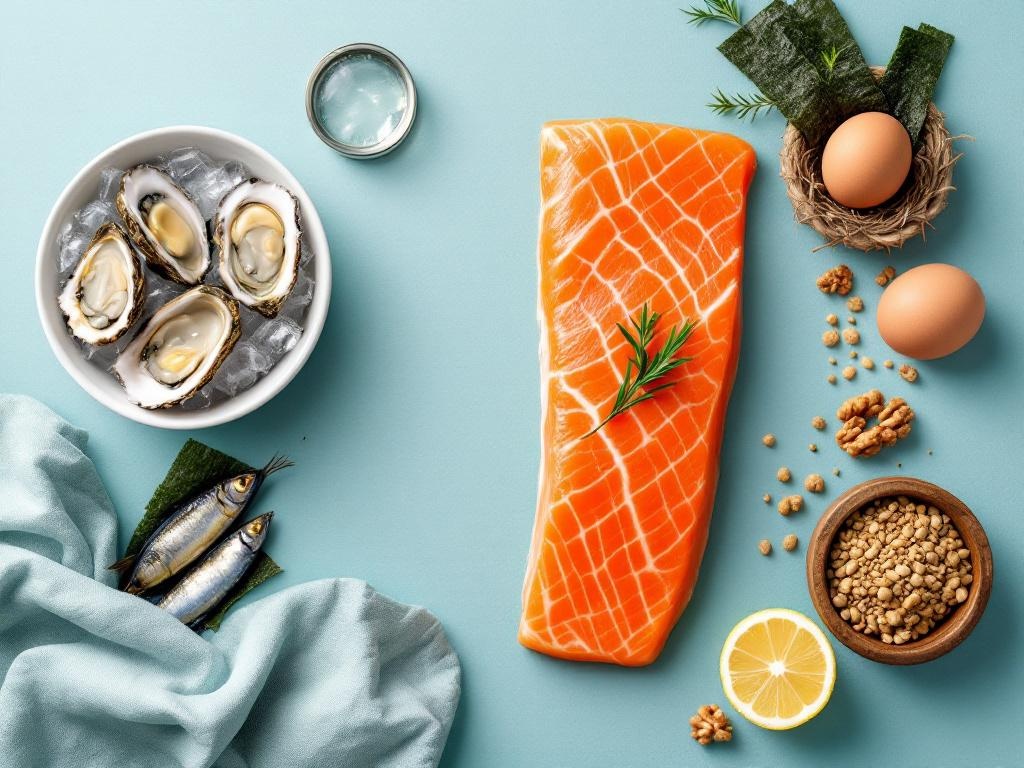
- Fatty fish: Salmon (3 oz provides 1,000+ mg omega-3)
- Sardines and anchovies: Small fish, lower mercury risk
- Algae (for vegetarians): Algae-based DHA supplements
- Fortified eggs: Some brands contain added omega-3
Mercury concern: Stick to low-mercury fish like salmon, sardines, and trout. Avoid high-mercury fish like swordfish, king mackerel, and shark.
Why Supplementation Makes Sense
Most women don’t eat fatty fish multiple times per week. Even if you do, cooking methods and fish quality affect DHA content. A quality omega-3 supplement ensures consistent intake.
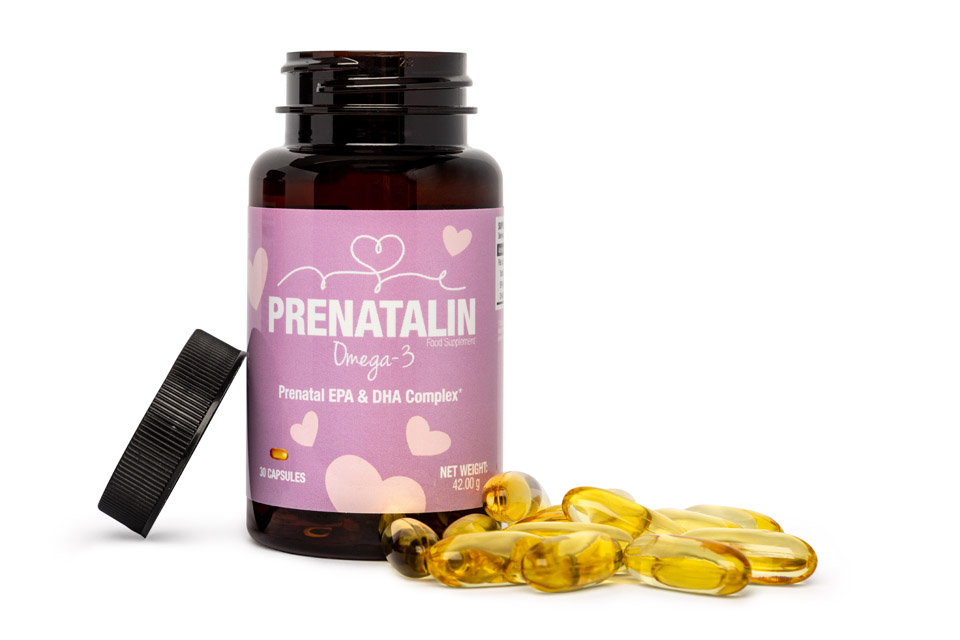
Look for prenatal vitamins that include both DHA and EPA (another beneficial omega-3). Prenatal supplements specifically formulated with 600mg DHA provide optimal amounts for brain development.
Key Takeaway: DHA is your baby’s brain food. Consistent intake during pregnancy supports cognitive development that lasts a lifetime.
Magnesium & Vitamin D: Essential Second Trimester Pregnancy Nutrients
These two nutrients work together like a perfectly choreographed dance—and most pregnant women don’t get enough of either.
Why They Matter Together
Magnesium is involved in over 300 biochemical reactions in your body, including:
- Muscle and nerve function
- Blood sugar regulation
- Blood pressure control
- Protein synthesis
- Reducing leg cramps (a common second-trimester complaint)
Vitamin D helps your body absorb calcium and plays a crucial role in:
- Bone health (for you and baby)
- Immune system function
- Mood regulation
- Reducing risk of gestational diabetes
Here’s the partnership: Vitamin D helps you absorb calcium, but you need magnesium to activate vitamin D. They’re dependent on each other for optimal function.
The Numbers
- Magnesium: 350-400 mg daily
- Vitamin D: 600-1,000 IU daily (many experts recommend higher doses)
The Deficiency Problem
Vitamin D deficiency is extremely common in pregnancy, especially if you:
- Have darker skin
- Live in northern climates
- Spend most time indoors
- Use sunscreen regularly (which blocks vitamin D synthesis)
Magnesium deficiency can cause leg cramps, muscle tension, and difficulty sleeping—all common second-trimester complaints.
Best Food Sources
Magnesium:
- Nuts and seeds (almonds, pumpkin seeds)
- Whole grains
- Dark leafy greens
- Dark chocolate (bonus!)
Vitamin D:
- Fatty fish (salmon, mackerel)
- Fortified dairy or plant milk
- Egg yolks
- Sunlight exposure (15-20 minutes daily, if safe for your skin type)
Why Supplementation is Key
Food sources alone rarely provide enough vitamin D during pregnancy. Most prenatal vitamins include both nutrients, but amounts vary significantly between brands.
Key Takeaway: Magnesium and vitamin D work together to support bone health, reduce pregnancy discomforts, and activate nutrient absorption.
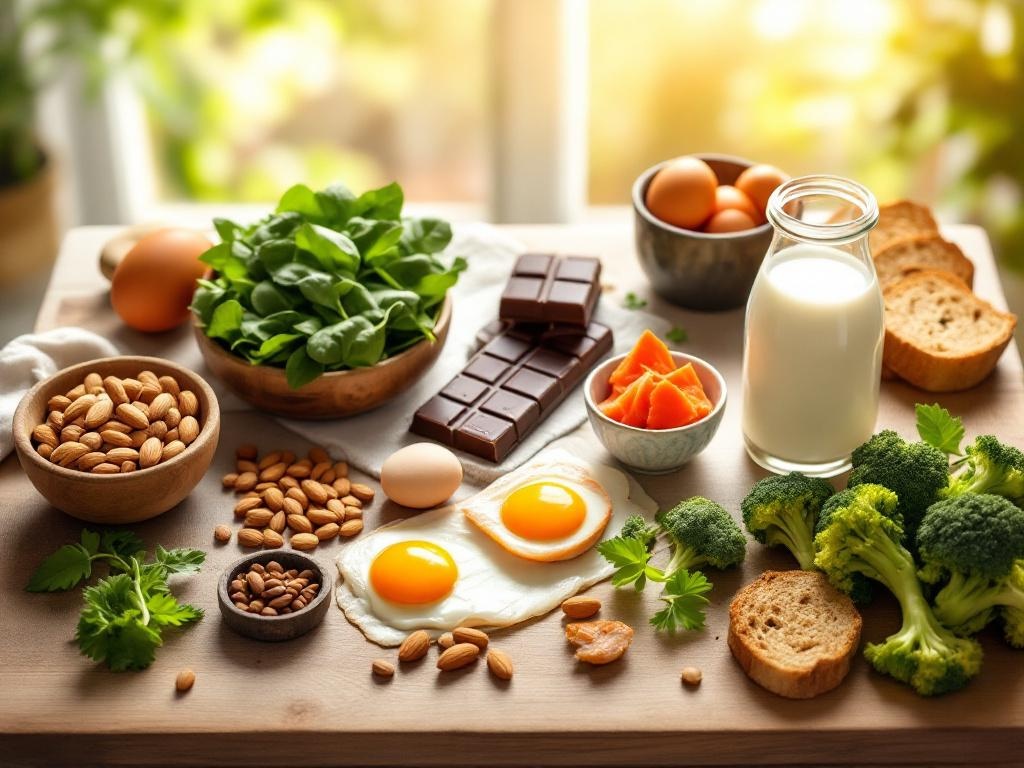
Choline: Essential Second Trimester Pregnancy Nutrient for Brain Development
Choline is one of the most important nutrients for pregnancy—yet it’s missing from most basic prenatal vitamins.
Why It Matters
Choline plays a critical role in:
- Fetal brain development and memory function
- Neural tube closure (works with folate)
- Cell membrane structure
- Liver function
- Preventing neural tube defects
Research shows that adequate choline intake during pregnancy can have lifelong cognitive benefits for your child, including improved memory, attention, and learning capabilities.
The Gap in Most Prenatal Vitamins
Here’s the problem: Most prenatal vitamins contain little to no choline, despite its critical importance. Why? It’s bulky and expensive to include in adequate amounts.
This means even if you’re taking a prenatal vitamin, you may still be deficient in choline unless you’re specifically choosing a formula that includes it.
The Numbers
Daily requirement: 450 mg during pregnancy
Most women consume only 290-300 mg through diet alone—leaving a significant gap.
Best Food Sources
- Eggs: 1 large egg provides 147 mg (the yolk contains all the choline)
- Beef liver: 3 oz provides 356 mg
- Chicken: 3 oz provides 73 mg
- Fish (salmon, cod)
- Broccoli and Brussels sprouts
Why This Matters
Unless you’re eating 3+ eggs daily, you’re probably not getting enough choline. And since most prenatal vitamins don’t include it, supplementation becomes essential.
Prenatal vitamins specifically formulated with choline ensure you’re covering this critical nutrient gap.
Key Takeaway: Choline is essential for brain development—but it’s missing from most prenatal vitamins. Make sure yours includes it.
Complete Your Second Trimester Pregnancy Nutrition Strategy
You now understand the 6 critical nutrients your body needs during your second trimester:
- Iron (27 mg) – Blood production and energy
- Calcium (1,000-1,300 mg) – Bone health
- Quatrefolic® Folate (600-1,000 mcg) – Neural development
- Omega-3 DHA (200-300+ mg) – Brain development
- Magnesium & Vitamin D (350-400 mg / 600-1,000 IU) – Absorption and function
- Choline (450 mg) – Cognitive development
Why Diet Alone Isn’t Enough
Your caloric needs increase by 300+ calories daily in the second trimester. But your nutrient needs increase even more. While food provides important nutrition, the density and bioavailability required to meet pregnancy demands often exceed what diet alone can provide—especially for nutrients like iron, DHA, and choline.
It’s not that food is insufficient; it’s that pregnancy nutrient needs significantly exceed normal dietary intake, even with the healthiest eating habits.
The Comprehensive Solution
This is where a quality prenatal vitamin system becomes essential. Prenatalin’s two-bottle system is specifically designed to cover all 6 of these nutrients—plus additional supporting nutrients like selenium, vitamin K, iodine, and zinc.
What makes a comprehensive prenatal different:
✓ Two-bottle system: Separate multivitamin + Omega-3 (better absorption than all-in-one capsules)
✓ Quatrefolic® instead of folic acid (bioavailable form your body uses directly)
✓ Includes choline (missing from most competitors)
✓ DHA + EPA combination (not just DHA alone)
✓ Pregnancy-specific formulation (not a generic multivitamin)
✓ Clean, high-quality ingredients (no unnecessary fillers)
Are You Getting What You Really Need?
Many women assume all prenatal vitamins are the same—but the differences in ingredient forms, amounts, and bioavailability can significantly impact how well your body actually uses those nutrients.
Before choosing your prenatal vitamin, ask yourself:
- Does it contain Quatrefolic® or just folic acid?
- Does it include at least 200mg of DHA?
- Does it have choline, or are you missing this critical nutrient?
- Are the nutrient forms highly bioavailable?
Ready to optimize your second trimester nutrition? Explore comprehensive prenatal solutions designed for bioavailability and complete coverage.
Take Action: Your Second Trimester Nutrition Checklist
You now know exactly which nutrients matter most in your second trimester. You understand WHY each one is critical. You know the best food sources—and you understand why supplementation fills critical gaps.
Here’s what to do next:
- Review your current prenatal vitamin – Does it include all 6 nutrients in bioavailable forms?
- Track your dietary intake for one week – Are you getting enough iron-rich foods, calcium sources, and DHA?
- Identify any gaps – Where are you falling short?
- Take action to fill them – Whether through diet optimization or upgrading to a more comprehensive prenatal
- Discuss with your healthcare provider – Share what you’ve learned and confirm your personalized needs
Your second trimester is a critical window for your baby’s development. The nutritional choices you make now support your baby’s brain development, bone formation, and overall growth for life.
You’re doing an amazing job taking the time to understand what your body needs. That’s exactly what being a great mom looks like—even before your baby arrives.
Additional Resources
Want to dive deeper into prenatal nutrition? Check out these helpful guides:
Medical Disclaimer
This article is for educational purposes only and does not constitute medical advice. The information provided is based on current research and nutritional guidelines but is not a substitute for personalized medical advice from your healthcare provider.
Individual nutritional needs vary based on your personal health status, diet, medical history, and specific pregnancy circumstances. Always consult with your healthcare provider or obstetrician before starting any new supplement regimen, especially during pregnancy.
If you experience any adverse reactions to supplements or have concerns about your nutrient intake, discontinue use and seek medical attention immediately. The statements regarding dietary supplements have not been evaluated by the Food and Drug Administration (FDA) and are not intended to diagnose, treat, cure, or prevent any disease or health condition.
References and Sources
- American College of Obstetricians and Gynecologists (ACOG). (2024). “Nutrition During Pregnancy.” Practice Bulletin No. 229.
- National Institutes of Health (NIH), Office of Dietary Supplements. (2024). “Iron: Fact Sheet for Health Professionals.” https://ods.od.nih.gov/factsheets/Iron-HealthProfessional/
- American Pregnancy Association. (2024). “Omega-3 Fish Oil and Pregnancy.” https://americanpregnancy.org/healthy-pregnancy/pregnancy-health-wellness/omega-3-fish-oil-pregnancy/
- Zeisel, S. H. (2023). “Choline: Critical Role During Fetal Development and Dietary Requirements in Adults.” Annual Review of Nutrition, 26, 229-250.
- National Institutes of Health (NIH). (2024). “Calcium: Fact Sheet for Health Professionals.” https://ods.od.nih.gov/factsheets/Calcium-HealthProfessional/
- Crider, K. S., et al. (2022). “Folate and DNA Methylation: A Review of Molecular Mechanisms and the Evidence for Folate’s Role.” Advances in Nutrition, 3(1), 21-38.
- Mayo Clinic. (2024). “Pregnancy nutrition: Healthy-eating basics.” https://www.mayoclinic.org/healthy-lifestyle/pregnancy-week-by-week/in-depth/pregnancy-nutrition/art-20045082
- Hollis, B. W., & Wagner, C. L. (2023). “Vitamin D and pregnancy: Skeletal effects, nonskeletal effects, and birth outcomes.” Calcified Tissue International, 92(2), 128-139.
- Coletta, J. M., Bell, S. J., & Roman, A. S. (2022). “Omega-3 Fatty Acids and Pregnancy.” Reviews in Obstetrics and Gynecology, 3(4), 163-171.
- World Health Organization (WHO). (2024). “Guideline: Daily iron supplementation in pregnant women.” https://www.who.int/publications/i/item/9789241549523