
9 Daily Habits to Support Your 60,000-Pathogen Defense System
Your immune system is fighting a war you don’t see. Here’s how to stop losing battles you didn’t know you were in.
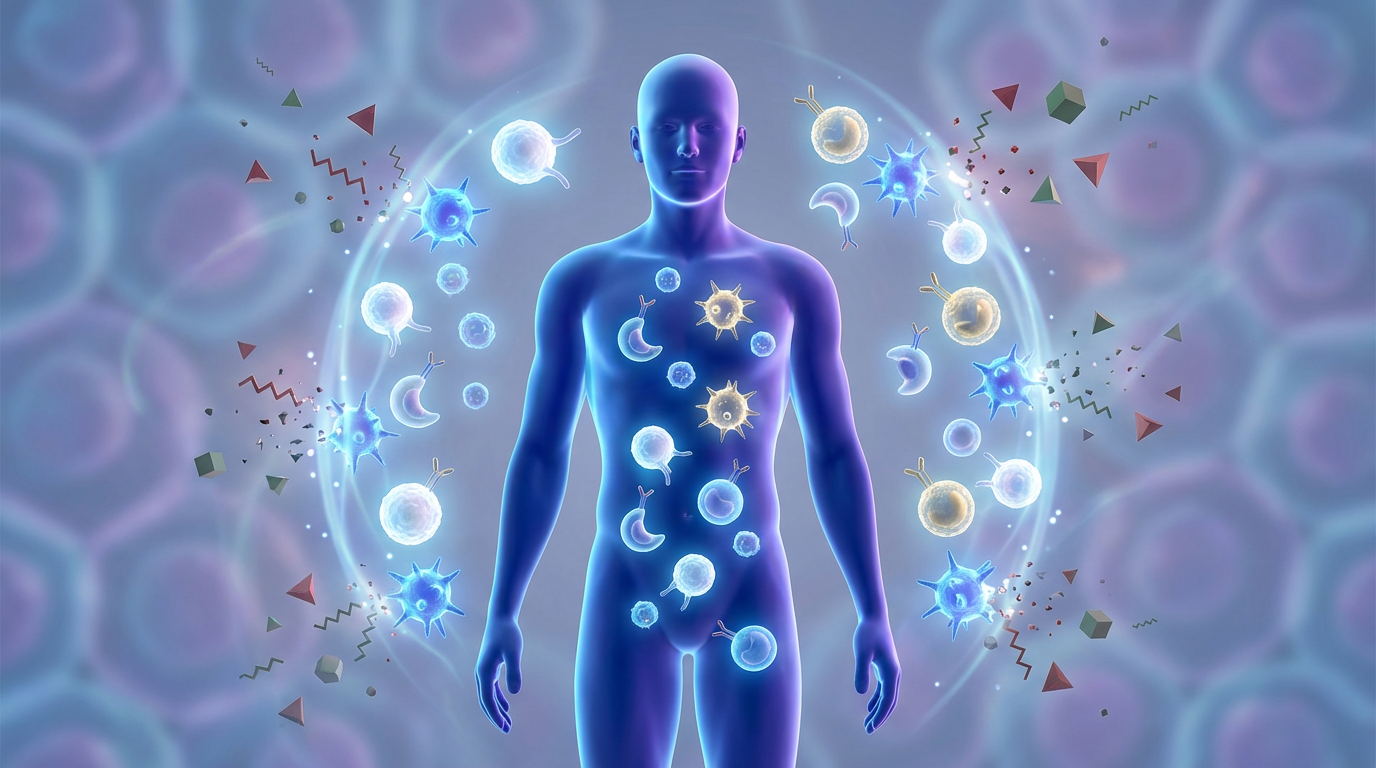
Every day, your immune system battles 60,000+ pathogens—bacteria, viruses, fungi, and toxins trying to invade your body. Your immune system daily habits are the difference between a thriving defense system and one that’s constantly struggling.
The average American gets sick 2-4 times per year. That’s not random. It’s a direct result of daily choices that either support or sabotage immune function. According to research published in the National Library of Medicine, lifestyle factors account for up to 70% of immune system effectiveness.
The problem? Most people don’t know which immune system daily habits actually matter—or why.
This isn’t about taking 47 supplements or living in a bubble. It’s about 9 specific, science-backed actions that address how your immune system actually works at the cellular level.
If you’ve noticed you’re getting sick more often, taking longer to recover, or feeling run-down even when you “should” be healthy, your immune system is telling you something. The question is: are you listening? Learn more about the subtle signs of weakened immunity that many people overlook.
Habit 1: Prioritize 7-9 Hours of Quality Sleep
Your Immune System Recharges While You Sleep
Sleep isn’t rest. It’s when your immune system does its most critical work.
While you sleep, your body produces cytokines—specialized proteins that fight infections and inflammation. These aren’t optional. Without adequate sleep, cytokine production drops, leaving you vulnerable to every pathogen you encounter.
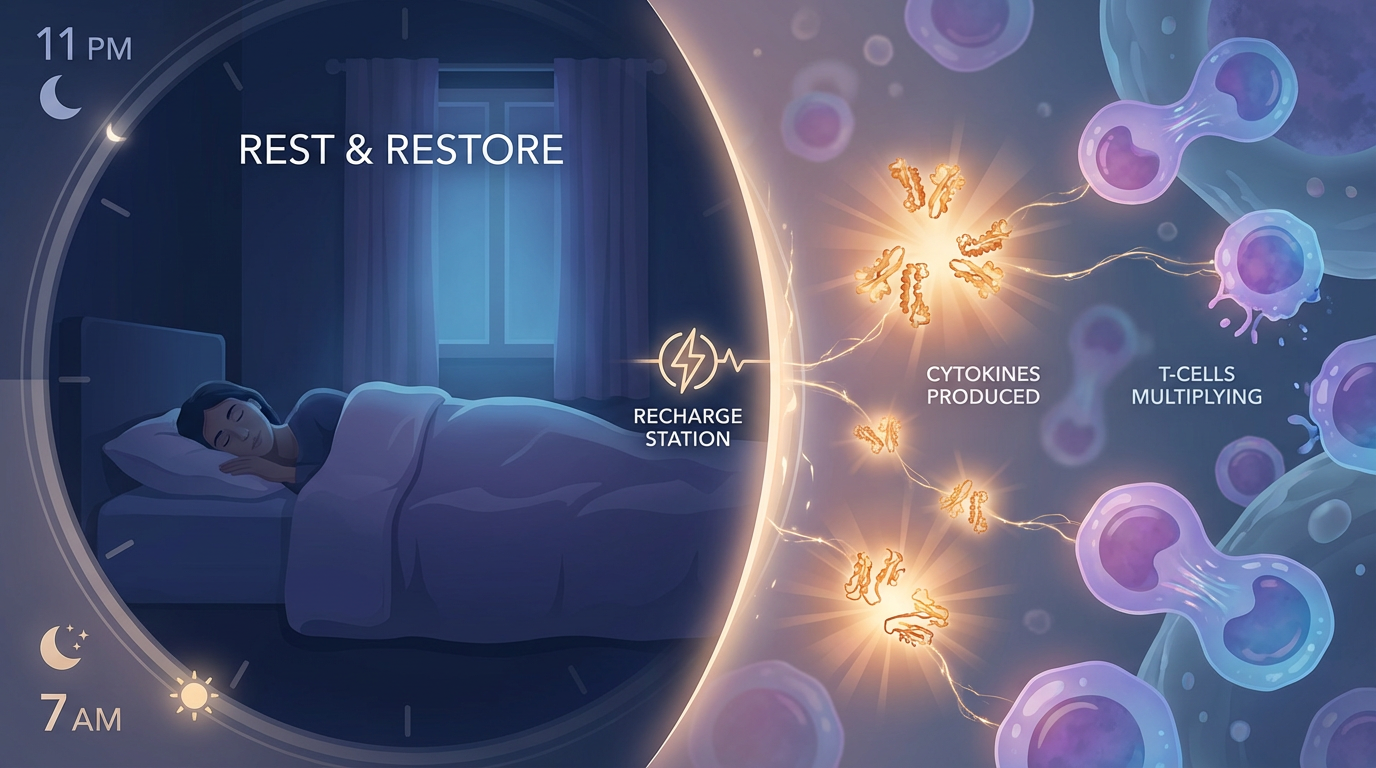
Here’s what research shows:
- Sleep deprivation directly reduces T-cells and natural killer (NK) cells—your body’s primary defense against viruses and cancer cells. Even mild sleep restriction (6 hours instead of 8 for just 8 days) elevates inflammatory cytokines to levels seen in chronic disease.
- Sleep homeostasis regulates IL-1β and TNF-α, immune signaling molecules that promote NREM sleep and recovery during infections. When you cut sleep short, you disrupt this entire system.
- People who sleep less than 7 hours are 3x more likely to develop a cold after exposure compared to those who sleep 8+ hours.
What this means for you: Every hour of sleep you sacrifice costs you immune capacity. The fatigue you feel isn’t just tiredness—it’s your body signaling it can’t maintain defenses.
Actionable step: Aim for 7-9 hours nightly. Create a sleep sanctuary: dark room, cool temperature (60-67°F), and no screens 1 hour before bed. Your T-cells will thank you.
If stress or an irregular schedule disrupts your sleep, support your immune system during waking hours with evidence-based supplementation (more on this in Habit 7).
Habit 2: Move Your Body Moderately (But Don’t Overtrain)
The Goldilocks Principle of Exercise and Immunity
Exercise is medicine—but only at the right dose.
Moderate exercise enhances immune function by promoting a Th1 cytokine profile shift, which supports cell-mediated immunity. It increases your IFN-γ/IL-4 ratio, balancing Th1/Th2 immune responses.
Translation: regular, moderate movement makes your immune cells more effective at their jobs.
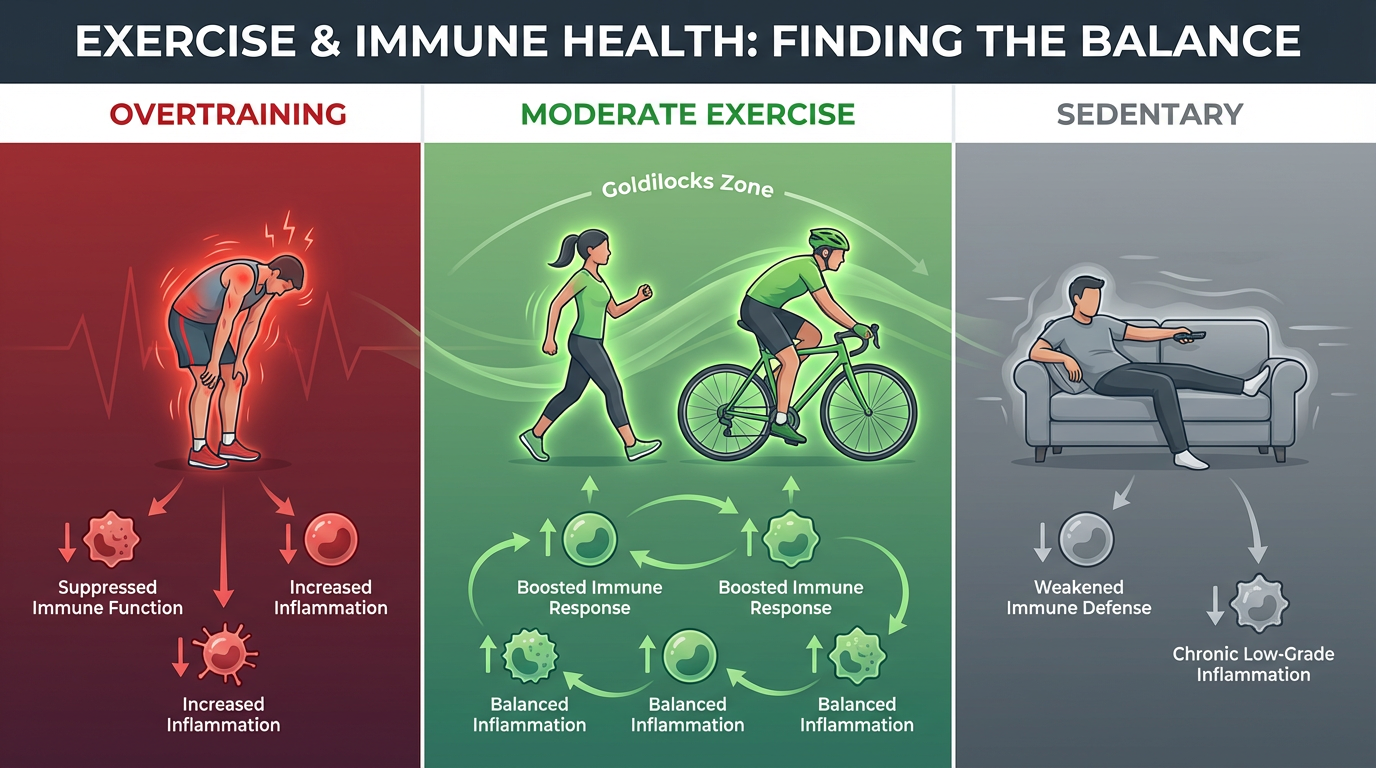
But here’s the trap most fitness enthusiasts fall into: overtraining causes immune suppression. Prolonged, intense exercise increases your risk of upper respiratory tract infections (URTIs) and temporarily weakens defenses.
Think of it this way: exercise is like seasoning. The right amount enhances the dish. Too much ruins it.
The science supports what exercise researchers call the “hormesis theory”: moderate stress (exercise) triggers immune adaptation and strengthening. Excessive stress (overtraining) triggers suppression and vulnerability.
Actionable step: Aim for 30-45 minutes of moderate activity 5x/week: brisk walking, cycling, swimming. Avoid marathon training sessions without proper recovery—your immune system needs balance, not burnout.
Warning sign: If you’re training hard but getting sick frequently, you’ve crossed the line. Scale back volume before adding supplements. Understanding common immune recovery mistakes can help you avoid this trap.
Habit 3: Master Stress Before It Masters Your Immunity
Why Chronic Stress Is Your Immune System’s Silent Killer
Stress doesn’t just make you feel bad. It actively dismantles your immune defenses.
Chronic stress activates the HPA axis (hypothalamic-pituitary-adrenal), flooding your system with cortisol. Elevated cortisol isn’t just a “stress hormone”—it’s an immune suppressor.
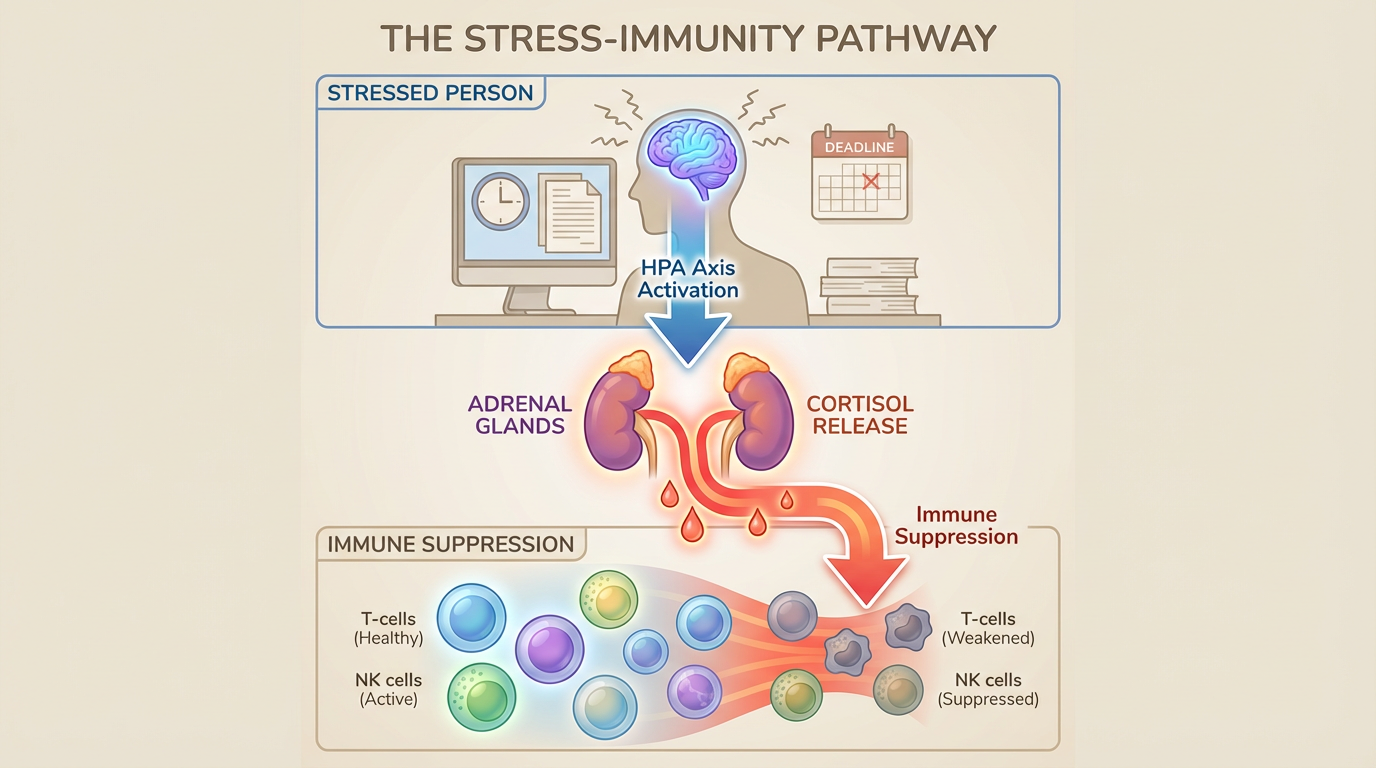
Here’s what happens at the cellular level:
- Cortisol suppresses T-lymphocyte activity, reducing production of IL-2 (a critical immune signaling molecule)
- NK cell function drops, leaving you vulnerable to viruses your body would normally handle
- Coordination between innate and adaptive immune responses breaks down, creating gaps in your defense system
- Feedback mechanisms that normally regulate cortisol fail under chronic stress, leading to sustained immune suppression
The cost? People under chronic stress take longer to heal from wounds, respond worse to vaccines, and get sick more often from exposures that wouldn’t affect someone with managed stress levels.
What this means for you: That deadline stress, relationship conflict, or financial worry isn’t just in your head. It’s in your bloodstream, actively weakening your defenses against the 60,000 pathogens you face daily.
Actionable step: Build a daily stress-reset toolkit: 10-minute meditation, deep breathing (try the 4-7-8 technique), nature walks, or journaling. These aren’t “nice-to-haves”—they’re immune system essentials.
Adaptogenic ingredients in quality supplements can help your body adapt to stress while supporting immune defenses (see Habit 7).
Habit 4: Hydrate Your Lymphatic Highway
Water Is Your Immune System’s Transportation Network
Your lymphatic system is 90% water. Think of it as the highway system that transports infection-fighting white blood cells throughout your body.
When you’re dehydrated, this highway becomes congested.
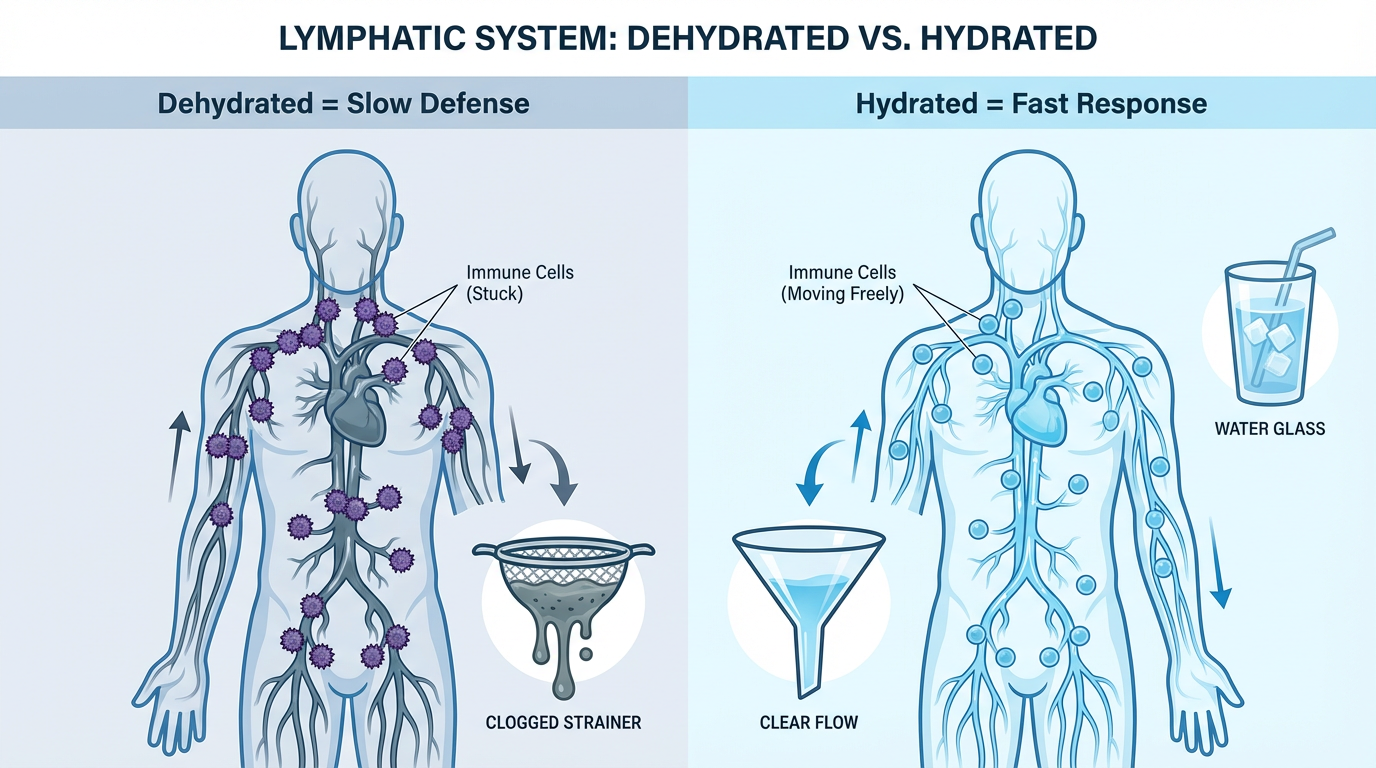
Dehydration makes lymph fluid thicker, slowing the transport of immune cells and delaying immune responses. It’s like trying to drain pasta through a clogged strainer—the system still works, but it’s inefficient and slow.
Recent research reveals another critical connection: adequate hydration maintains gut microbiome homeostasis. Water restriction disrupts gut bacteria and reduces immune cell numbers in intestinal tissue—where 70-80% of your immune system lives.
Proper hydration also flushes toxins, waste, debris, and pathogens through your lymphatic system, preventing accumulation that triggers inflammation.
Actionable step: Drink half your body weight in ounces daily (150 lbs = 75 oz water). Start your morning with 16 oz before coffee. Add electrolytes if you exercise heavily.
Reality check: If you’re waiting until you’re thirsty, you’re already dehydrated. Thirst is a late-stage signal, not an early warning.
Habit 5: Feed Your 70%-Immune-System-in-Gut With Smart Nutrition
Your Gut Microbiome Controls 70-80% of Immune Function
Here’s a number that changes everything: 70-80% of your immune system lives in your gut.
This isn’t metaphorical. Your intestinal tract contains GALT (gut-associated lymphoid tissue)—a massive network of immune cells that regulate inflammatory responses, antibody production, and immune cell training.
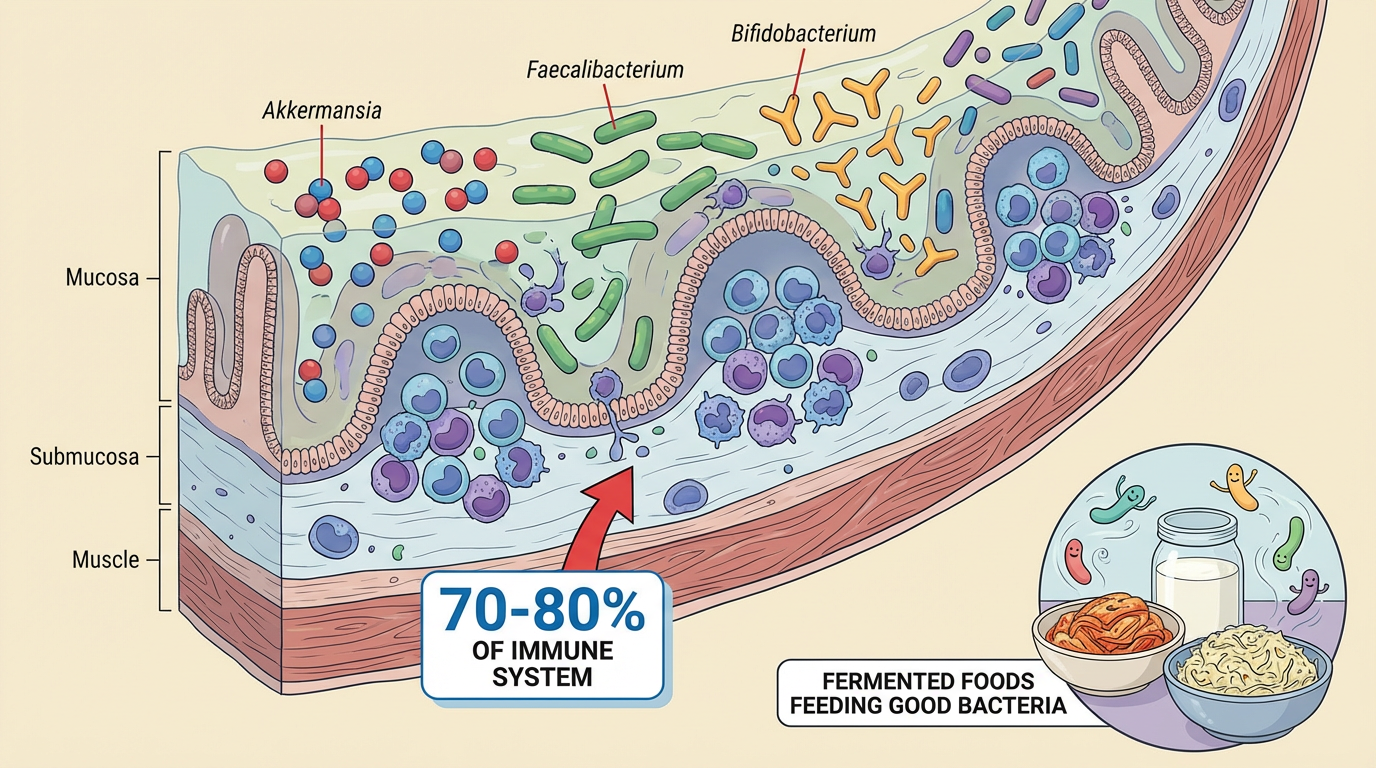
Your gut microbiome—the trillions of bacteria living in your digestive tract—directly programs how your immune system responds to threats. Feed it well, and you strengthen defenses. Starve it or fill it with processed junk, and you create inflammation and vulnerability.
Stanford researchers found that a 10-week diet high in fermented foods increased microbiome diversity and decreased inflammatory markers. Specific beneficial bacteria increased: Akkermansia muciniphila, Faecalibacterium, and Bifidobacterium—all associated with stronger immune function.
What this means for you: Every meal is either feeding your immune system or weakening it. There’s no neutral.
Actionable step: Eat probiotic-rich foods daily: Greek yogurt with breakfast, kimchi/sauerkraut as a side dish (1/4 cup). Add prebiotic fibers (onions, garlic, bananas) to feed good bacteria.
Critical connection: Since 70-80% of your immune system lives in your gut, targeted supplementation can fill nutritional gaps that diet alone can’t address. NuviaLab Immune combines gut-supporting ingredients with immune-boosting compounds like quercetin and vitamin C to address this critical connection comprehensively.
Habit 6: Harness Sunlight’s Immune-Modulating Power
Vitamin D: The Sunshine Hormone Your Immune Cells Need
Vitamin D isn’t just a vitamin. It’s a hormone that directly regulates immune function.
UVR exposure stimulates vitamin D3 synthesis in your skin. Once activated, vitamin D3 has profound immunoregulatory effects:
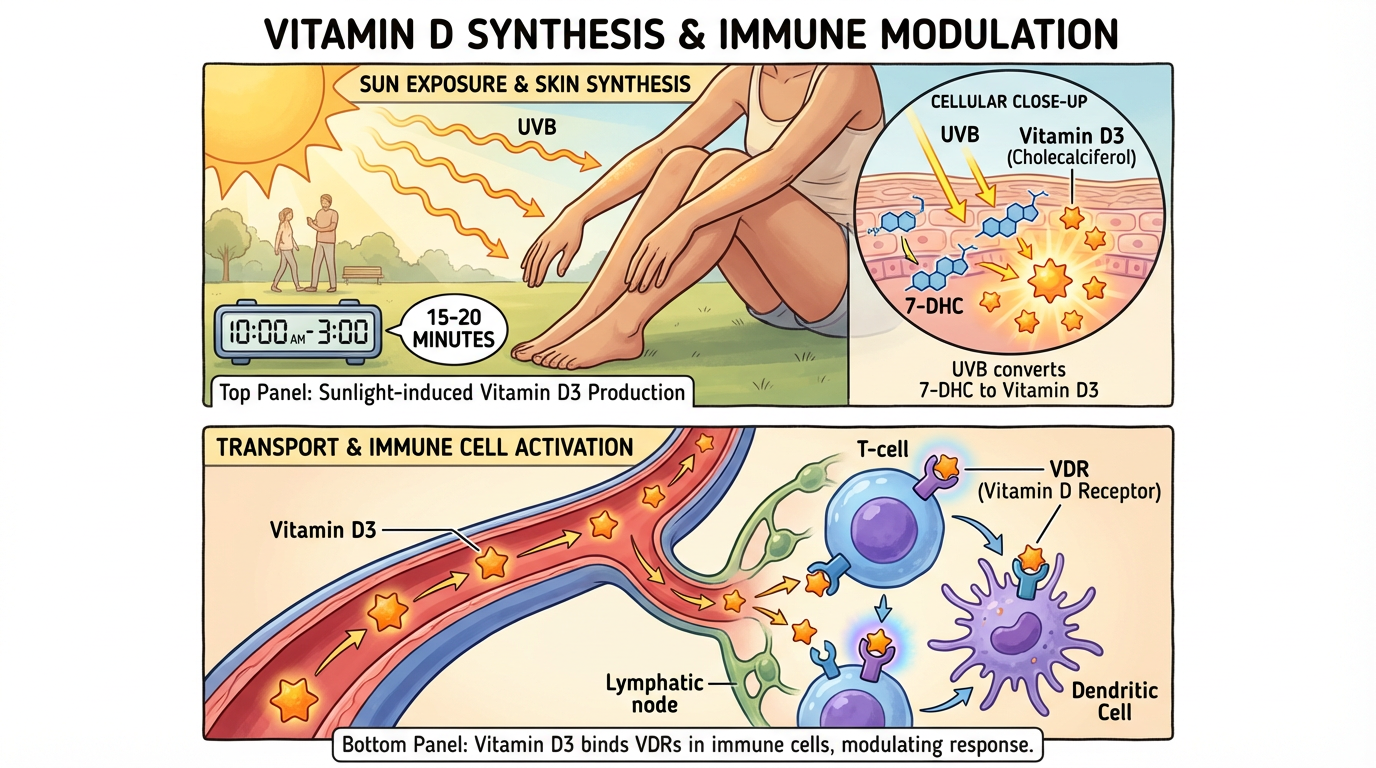
- Immune cells have vitamin D receptors and require high levels of 1,25(OH)2D3 for optimal functionality
- Vitamin D inhibits activation of dendritic cells, reducing pro-inflammatory cytokine production
- It modulates T-cell stimulation, helping balance immune responses and prevent overreaction
- Vitamin D deficiency is directly associated with autoimmune disease activity, including lupus and other inflammatory conditions
Research on narrowband UV therapy shows that increasing vitamin D3 levels proportionally increases regulatory T cells—the immune cells that prevent your system from attacking itself.
The modern problem: Most people spend 90% of their time indoors. Office work, cars, artificial lighting—none of this triggers vitamin D synthesis. Winter months in northern climates make it worse.
Actionable step: Get 15-20 minutes of direct sunlight exposure (arms/legs) 3-4x/week between 10am-3pm. If you live in northern climates or have darker skin, consider vitamin D3 supplementation (2000-4000 IU daily with doctor guidance).
Seasonal consideration: Winter months? Vitamin D supplements become essential when sun exposure is limited. For women over 40, this becomes especially important—learn more about immune support strategies for different life stages.
Habit 7: Supplement Strategically With Science-Backed Ingredients
Bridge Nutritional Gaps With Targeted Support
Even with perfect habits, modern life creates nutritional gaps. Depleted soil, processed foods, chronic stress, and environmental toxins all increase your nutrient needs beyond what diet alone can provide.
Strategic supplementation isn’t about replacing healthy habits—it’s about supporting them.
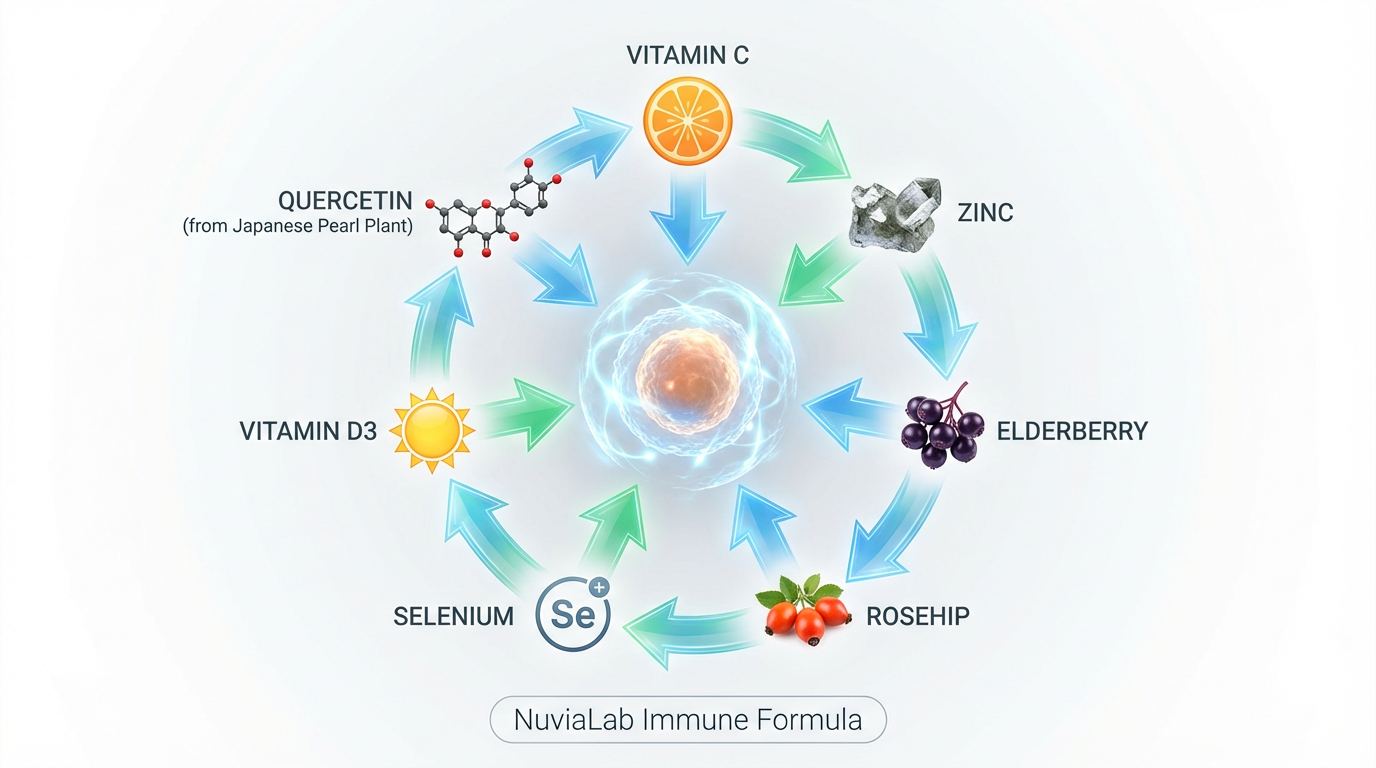
Here’s what the research shows works:
- Quercetin (from Japanese pearl plant): Demonstrates antiviral properties against SARS, MERS-CoV, and other viruses. Synergy with vitamin C enhances therapeutic effects. Discover more about how quercetin and vitamin C work together.
- Vitamin C + Zinc: The classic immune-supporting combination. Vitamin C supports white blood cell production and antioxidant protection. Zinc is required for immune cell development and communication.
- Elderberry and Rosehip extract: Traditional immune-supporting botanicals with documented antioxidant properties and immune-modulating effects.
- Selenium and Vitamin D3: Support immune cell function and inflammatory response modulation. Deficiencies in either increase susceptibility to infections.
The key insight: Isolated nutrients don’t work as well as synergistic formulas. Your immune system doesn’t respond to individual vitamins—it responds to coordinated nutritional support across multiple pathways.
Actionable step: Choose supplements with synergistic ingredients, not isolated nutrients. Look for formulas that address multiple immune pathways—gut health, antioxidant defense, and viral resistance.
NuviaLab Immune combines 7 clinically-studied ingredients (quercetin, vitamin C, zinc, elderberry, rosehip, selenium, vitamin D3) in one vegan, GMO-free formula. It’s designed to work with your daily habits, not replace them.
Why this formula works: Instead of taking 7 separate supplements, you get coordinated support for gut immunity, antioxidant defense, and viral resistance in one evidence-based formula.
Habit 8: Practice Immune-Smart Hygiene (Without Going Overboard)
Protect Without Destroying Your Microbiome
Basic hygiene reduces pathogen exposure—but there’s a balance.
Washing hands with soap for 20+ seconds, especially before eating and after using the bathroom, is non-negotiable. Covering coughs and sneezes, avoiding touching your face with unwashed hands, and maintaining clean high-touch surfaces all reduce unnecessary pathogen exposure.
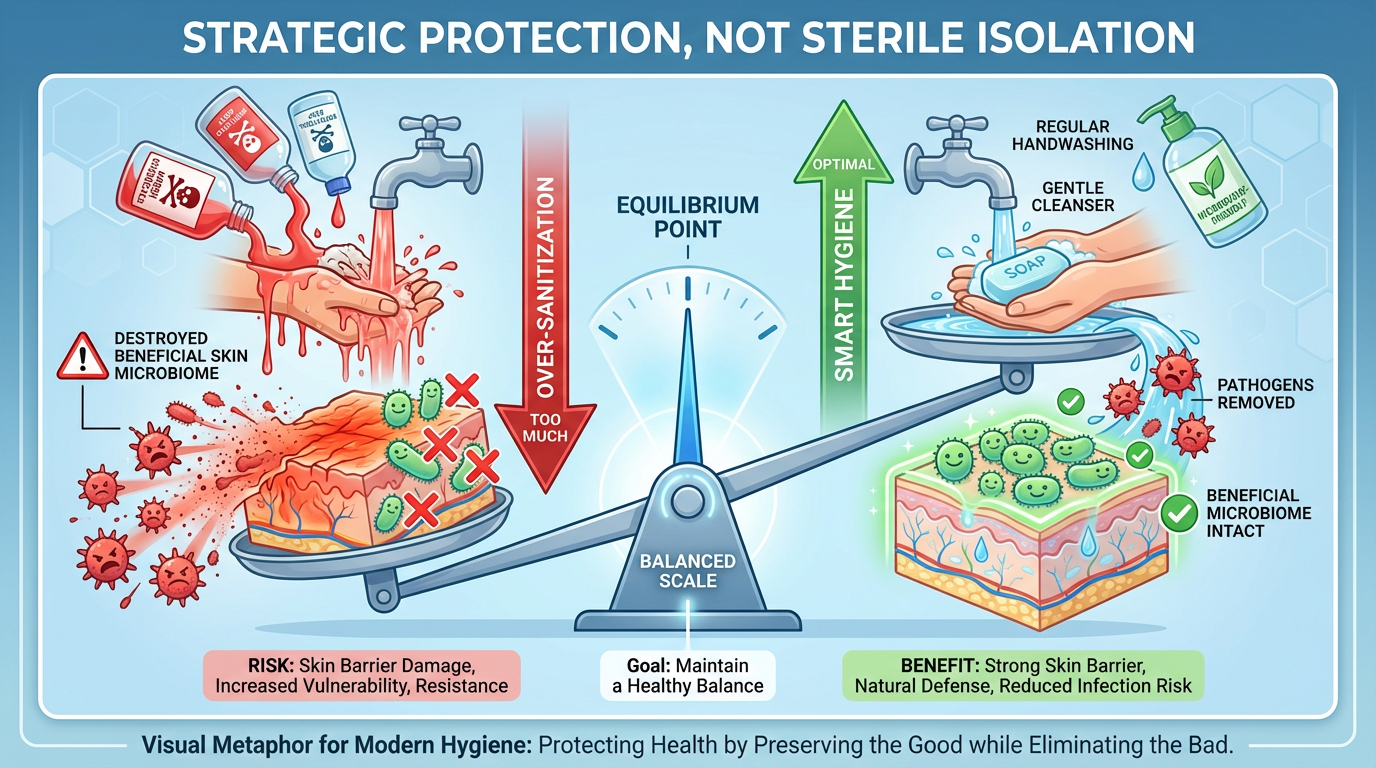
But here’s where most people go wrong: over-sanitization disrupts your beneficial skin and gut microbiome.
Your skin has its own microbiome—a layer of beneficial bacteria that acts as part of your immune barrier. Constant use of antibacterial soap, hand sanitizer, and harsh cleaning products can destroy this protective layer, potentially making you more vulnerable, not less.
Actionable step: Wash hands thoroughly with regular soap (not antibacterial unless necessary). Use hand sanitizer when soap isn’t available, but don’t overdo it—your skin microbiome is part of your immune barrier.
Context: Remember, you’re facing 60,000 pathogens daily. Smart hygiene reduces unnecessary exposure while your immune system handles the rest. It’s about strategic protection, not sterile isolation.
Habit 9: Minimize Immune-Disrupting Toxins
What You Avoid Matters as Much as What You Add
Your immune system is fighting 60,000 pathogens daily. Don’t make its job harder by adding self-inflicted damage.
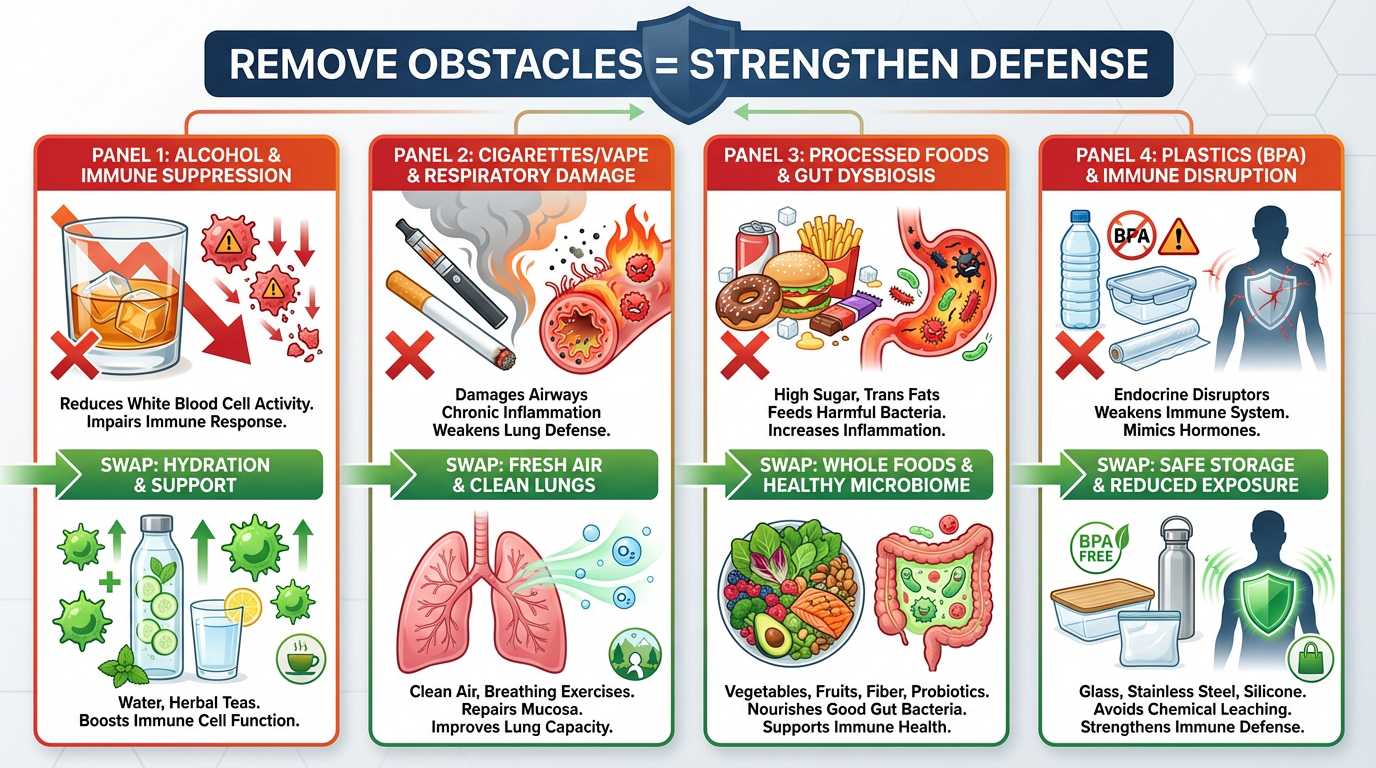
Four major categories of immune disruptors:
- Alcohol: Excessive consumption disrupts gut microbiome, reduces NK cell activity, and impairs cytokine production. Even moderate drinking temporarily suppresses immune function for up to 24 hours.
- Smoking/vaping: Damages respiratory mucosa—your primary immune barrier against airborne pathogens. Creates chronic inflammation and weakens lung defenses.
- Processed foods: High sugar and trans fats promote chronic inflammation and gut dysbiosis. Each high-sugar meal temporarily suppresses white blood cell function for hours.
- Environmental toxins: BPA (in plastics), heavy metals, and pesticides can suppress immune function through multiple mechanisms. Cumulative exposure matters.
What this means for you: Every toxic exposure forces your immune system to fight on two fronts—external pathogens and internal damage. It’s a losing battle.
Actionable step: Limit alcohol to 1 drink/day (women) or 2/day (men). Quit smoking/vaping entirely. Choose whole foods over processed. Use glass/stainless steel containers instead of plastic when possible.
Empowering message: Small swaps equal big immune wins. Your body is designed to heal itself when you remove the obstacles.
These Immune System Daily Habits Strengthen Your Defenses Long-Term
These 9 immune system daily habits work synergistically—sleep supports stress management, stress management improves gut health, gut health enhances immune function. Each habit amplifies the others.
Here’s the reality: you don’t need to master all 9 overnight. Pick 2-3 to focus on this week, then build from there. Progress beats perfection.
Start with the habits that address your biggest current weaknesses:
- Getting sick frequently? Prioritize sleep (Habit 1) and gut nutrition (Habit 5)
- High stress? Focus on stress management (Habit 3) and exercise balance (Habit 2)
- Chronic inflammation? Address toxins (Habit 9) and hydration (Habit 4)
Bridge the Gap Between Habits and Results
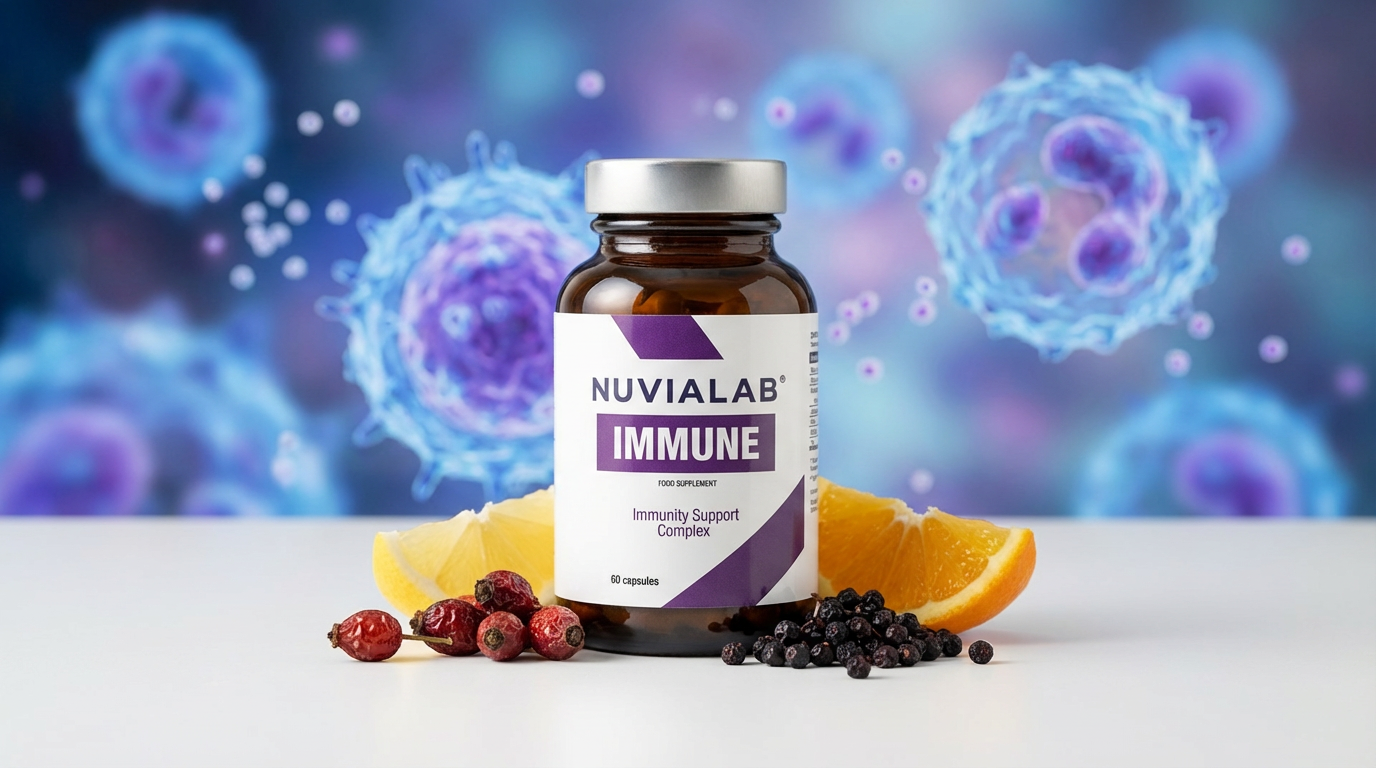
While lifestyle is the foundation, strategic supplementation fills gaps that diet alone can’t address consistently.
NuviaLab Immune provides 7 evidence-based ingredients to support your 60,000-pathogen-daily battle:
- Quercetin (antiviral, anti-inflammatory)
- Vitamin C + Zinc (white blood cell support)
- Elderberry + Rosehip (antioxidant defense)
- Selenium + Vitamin D3 (immune cell function)
Quality standards: Vegan, gluten-free, GMO-free. Made in EU facilities with strict quality controls.
Your immune system is working 24/7 to protect you. Give it the tools it needs to thrive.
You’re not powerless against the 60,000 pathogens you face daily. You have 9 specific immune system daily habits to strengthen your defenses. Start with one today.
Frequently Asked Questions
How long does it take to strengthen my immune system with these habits?
Some effects are immediate (hydration, stress reduction), while others take 2-4 weeks (gut microbiome changes, sleep optimization). Consistent implementation of these immune system daily habits over 30 days produces measurable improvements in immune markers and how you feel.
Can I just take supplements instead of changing my lifestyle?
No. Supplements support healthy immune system daily habits—they don’t replace them. If you’re sleeping 5 hours, eating processed food, and chronically stressed, no supplement will overcome those deficits. Fix the foundation first, then add strategic supplementation.
What if I’m doing everything right but still getting sick?
First, verify you’re truly implementing these habits consistently (not occasionally). Second, consider underlying factors: chronic conditions, medication effects, age-related immune decline, or undiagnosed deficiencies. Work with a healthcare provider to investigate root causes.
Are there people who shouldn’t follow these recommendations?
These habits are generally safe for most adults, but individuals with autoimmune conditions, those on immunosuppressive medications, pregnant or nursing women, or those with specific medical conditions should consult their healthcare provider before making significant changes—especially with supplementation.
How do I know if my immune system is actually improving?
Subjective markers: fewer colds and infections, faster recovery when you do get sick, more consistent energy, better sleep quality, improved mood. Objective markers (via bloodwork): balanced white blood cell counts, reduced inflammatory markers (CRP, IL-6), adequate vitamin D levels.
Medical Disclaimer
Important Health Information: This content is for educational and informational purposes only and is not intended as medical advice, diagnosis, or treatment. The information provided should not be used as a substitute for professional medical advice, diagnosis, or treatment.
Consult Your Healthcare Provider: Always seek the advice of your physician or other qualified health provider with any questions you may have regarding a medical condition, supplement regimen, or health concerns. Never disregard professional medical advice or delay in seeking it because of something you have read on this website.
FDA Disclosure: These statements have not been evaluated by the Food and Drug Administration. The products and information discussed are not intended to diagnose, treat, cure, or prevent any disease.
Special Populations: Pregnant women, nursing mothers, individuals taking medications, and those with existing medical conditions should consult their healthcare provider before starting any new supplement regimen or making significant dietary or lifestyle changes.
Individual Results May Vary: Results from supplements and lifestyle changes vary by individual. Factors affecting results include genetics, age, overall health status, consistency of implementation, and other individual circumstances.
Emergency Situations: If you are experiencing a medical emergency, call your local emergency services immediately. Do not rely on information from this website in emergency situations.
Affiliate Disclosure
Transparency Notice: This website contains affiliate links, which means we may earn a commission if you click on certain links and make a purchase. This comes at no additional cost to you.
How Affiliate Relationships Work: When you purchase products through our affiliate links, the merchant pays us a small commission. This helps support our work in providing free, research-based content to our readers. Your purchase price remains the same whether you use our affiliate link or go directly to the merchant’s website.
Editorial Independence: Our editorial content is not influenced by affiliate relationships. We only recommend products and services that we believe provide genuine value based on scientific research, ingredient quality, and manufacturing standards. Our reviews and recommendations are based on objective criteria, not commission rates.
FTC Compliance: This disclosure is provided in accordance with the Federal Trade Commission’s 16 CFR, Part 255: “Guides Concerning the Use of Endorsements and Testimonials in Advertising.”
Our Recommendation Philosophy: We prioritize transparency and your trust over short-term commissions. If we recommend a product, it’s because we believe it meets high standards for quality, safety, and efficacy. We encourage you to research any product thoroughly before making a purchase decision.
Questions: If you have any questions about our affiliate relationships or would like more information about how we evaluate products, please contact us.