
7 Signs Your Immune System Is Weak (And What Science Says to Do About It)

Signs of weak immunity manifest through seven interconnected physiological dysfunctions that affect how your body defends against infections, recovers from illness, and sustains energy throughout daily activities. This comprehensive guide examines each warning sign—from frequent infections to persistent fatigue—and explains the evidence-based nutritional interventions that restore immune function within 8-12 weeks.
Most people don’t realize their immune system is declining until they’ve been sick five times in a single winter—and by then, the damage compounds. Your body sends subtle warning signals months before you develop chronic infections, but these signs are easy to dismiss as “just stress” or “getting older.”
This article examines seven scientifically validated signs of immune dysfunction, explains the biological mechanisms behind each symptom, and outlines evidence-based nutritional interventions that address multiple immune pathways simultaneously. Understanding these warning signs allows you to support your immune system before minor deficiencies become chronic health issues.
Signs of Weak Immunity: Understanding Immune System Decline & Solutions
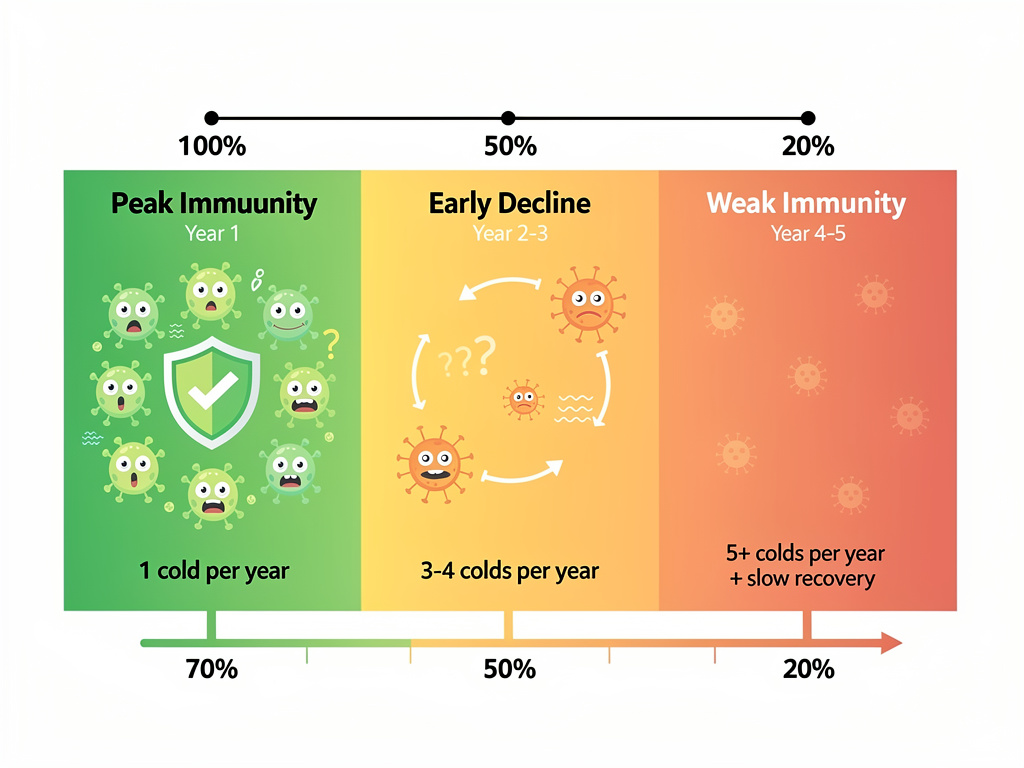
Your immune system operates through four interconnected layers: barrier immunity (skin and mucous membranes), innate immunity (immediate response cells), adaptive immunity (specialized T and B cells), and gut-associated lymphoid tissue (70-80% of immune cells). Most supplement approaches target only one or two pathways, which explains why single-ingredient formulas often produce inconsistent results.
Key Insight: The 2-4 Week Window
Immune cells require 2-4 weeks of consistent nutritional support to reach optimal function. Reactive supplementation during acute illness often arrives too late to prevent infection. This timing gap explains why many people report supplements “don’t work”—they’re measuring effectiveness during illness rather than sustained prevention.
Signs of weak immunity manifest through specific, measurable symptoms before you develop frequent infections. Recognizing these early warning signs creates an intervention window where nutritional support can restore immune function before clinical deficiencies appear.
Sign 1: You Catch Every Cold That Circulates
The Warning Signal
If you develop a cold every time a colleague sneezes nearby, or your children bring home infections that never affect your partner, this indicates compromised barrier immunity and insufficient mucosal antibody production. Normal immune function should prevent 60-70% of casual viral exposures from progressing to symptomatic infection.

This differs from seasonal allergies or environmental sensitivities. We’re discussing actual viral infections: sore throat, congestion, body aches, and fever that occur with abnormal frequency—typically 4 or more respiratory infections annually for adults under 65.
Why This Happens
Your first line of immune defense consists of secretory IgA antibodies in mucous membranes. These antibodies neutralize pathogens before they penetrate tissue. When IgA production drops—often due to chronic stress, poor sleep, or micronutrient deficiencies—viruses bypass this protective barrier and establish infections more easily.
Simultaneously, zinc and selenium deficiencies impair T-cell differentiation, the process by which immune cells learn to recognize and respond to specific threats. Studies published in the American Journal of Clinical Nutrition found that even marginal zinc deficiency (common in Western diets) reduces T-cell proliferation by 30-40%.
Clinical Evidence
Research from the European Journal of Immunology demonstrates that nucleotides—building blocks for DNA and RNA synthesis—accelerate immune cell production and enhance mucosal barrier integrity. However, during times of immune stress, your body cannot synthesize nucleotides quickly enough to maintain optimal immune function.
The Nutritional Intervention
Addressing frequent infections requires simultaneous support of three immune pathways:
Mucosal Barrier Protection: Vitamin C (500-1000mg daily) strengthens tight junctions between epithelial cells and supports IgA production. Clinical trials show vitamin C supplementation reduces upper respiratory infection duration by 8-14% when taken preventatively.
T-Cell Function: Zinc (15-30mg daily) and selenium (100-200mcg daily) restore T-cell differentiation and proliferation. A meta-analysis in Nutrients journal found zinc supplementation reduced infection risk by 28% in populations with baseline deficiencies.
Rapid Immune Cell Production: Nucleotides (200-400mg daily) provide pre-formed building blocks for DNA synthesis, accelerating immune cell replication during pathogen challenges. This ingredient class remains underutilized in mainstream supplements despite strong clinical evidence.
Multi-Pathway Immune Support
NuviaLab Immune combines these mechanisms in researched dosages:
Barrier immunity support
T-cell optimization
Inflammation regulation
Rapid cell production
This multi-pathway approach addresses the root causes of frequent infections rather than suppressing symptoms.
Quick Self-Assessment
Count your respiratory infections (colds, flu, sinus infections) over the past 12 months. If you’ve had 4 or more infections, or if colds consistently progress to secondary infections (bronchitis, ear infections), your barrier immunity likely needs support.
Sign 2: Your Cold Recovery Takes 7-10 Days (Used to Be 2-3)
The Warning Signal
Most healthy adults clear viral respiratory infections within 3-5 days. If your symptoms persist for 7-10 days or longer—especially if you experience prolonged congestion, lingering cough, or extended fatigue after other symptoms resolve—this indicates sluggish adaptive immune response.
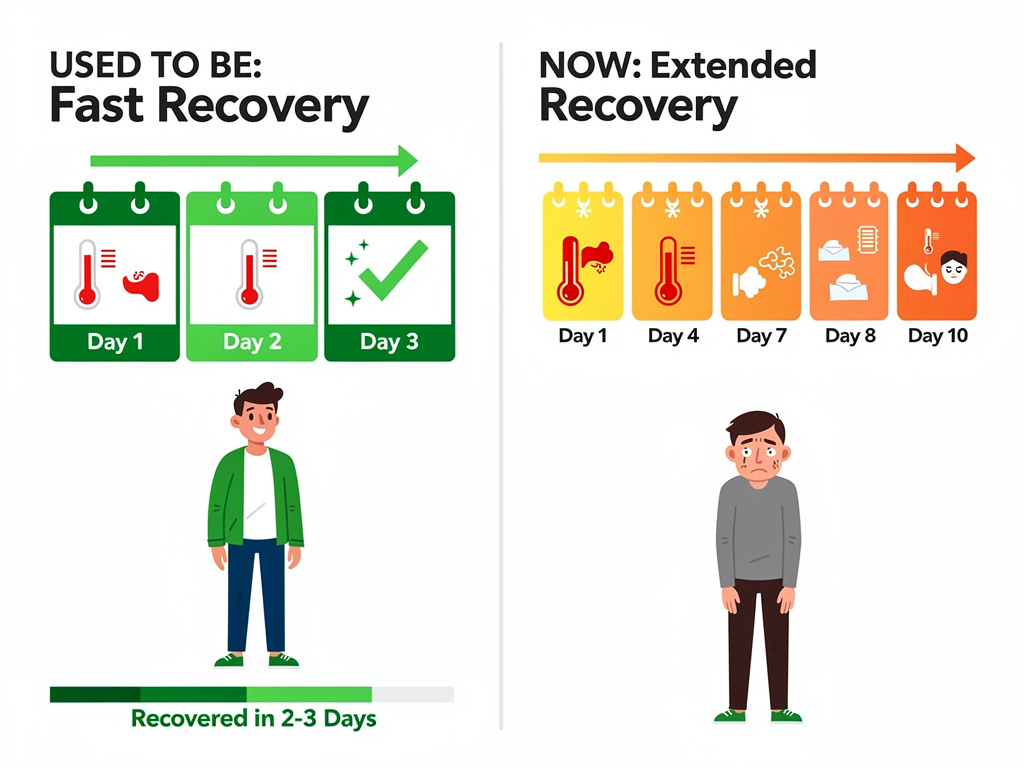
This pattern differs from bacterial secondary infections (which require antibiotics). We’re discussing extended viral recovery where you feel “almost better” for days but symptoms never fully resolve. Many people accept this as normal aging, but research shows it reflects immune insufficiency, not inevitable decline.
Why This Happens
Your adaptive immune system coordinates pathogen elimination through cytokine signaling—chemical messages that activate different immune cell types and regulate inflammatory responses. B vitamins (particularly B6, B12, and folate) serve as cofactors for cytokine production and immune cell communication.
When B vitamin levels drop below optimal ranges, immune signaling becomes inefficient. Your body eventually clears the infection, but the process takes longer and requires more inflammation (causing extended symptoms). This prolonged recovery depletes additional micronutrients, creating a cycle of progressively slower immune responses.
Vitamin C depletion further compounds the issue. During active infection, white blood cells consume vitamin C at 10-20 times normal rates to generate reactive oxygen species that destroy pathogens. If dietary intake doesn’t match this increased demand, immune cell function deteriorates midway through infection, extending recovery time.
Clinical Data
Research published in Seminars in Preventive and Alternative Medicine found that vitamin C supplementation (1000mg daily at first symptoms) reduced cold duration by 1-2 days in 80% of participants—a clinically significant improvement that prevents work absences and reduces secondary complications.
The Nutritional Intervention
Accelerating recovery requires supporting both immune activation and resolution phases:
Enhanced Immune Signaling: B-complex vitamins (including B6 100mg, B12 500mcg, folate 400mcg) restore cytokine production and improve coordination between innate and adaptive immunity. Studies show B6 supplementation increases lymphocyte production by 35% in immune-compromised individuals.
Sustained White Blood Cell Activity: High-dose vitamin C (1000mg or higher during acute infection) maintains the oxidative burst capacity needed for pathogen elimination. Meta-analyses confirm that consistent vitamin C supplementation (not just acute dosing) provides the most significant benefit.
Cellular Energy for Immune Response: CoQ10 (100-200mg daily) supports mitochondrial function in immune cells, which require substantial energy to mount effective responses. While often marketed for cardiovascular health, CoQ10’s immune benefits remain clinically validated but underutilized.
The formulation in NuviaLab Immune includes therapeutic doses of all eight B vitamins, 500mg vitamin C, and 100mg CoQ10, addressing the three primary factors that extend viral recovery time.
Quick Self-Assessment
Think about your last 2-3 colds. If each one lasted longer than 5 days, or if you experienced a “relapse” where symptoms improved then worsened, your adaptive immune response needs nutritional support. This pattern is particularly common in adults over 40, where immune nutrient demands increase but dietary intake typically remains constant.
Sign 3: You Feel Constantly Tired or Run Down
The Warning Signal
Persistent low-grade fatigue—the kind where you feel tired by 2 PM despite adequate sleep, or where normal activities require more effort than they should—often indicates chronic immune activation rather than simple sleep deprivation. This differs from acute exhaustion following poor sleep or intense physical activity.

Medical professionals call this “sickness behavior,” a state where your immune system remains partially activated without acute infection. Your body diverts energy toward immune surveillance and low-grade inflammatory responses, leaving less available for daily activities. Many people dismiss this as stress or aging, but research shows it reflects immune dysregulation that nutritional intervention can address.
Why This Happens
Chronic immune activation creates two interconnected problems. First, inflammatory cytokines (particularly IL-6 and TNF-alpha) directly induce fatigue by affecting brain neurotransmitter systems and disrupting normal sleep architecture. You sleep 7-8 hours but wake unrefreshed because inflammation prevents restorative sleep phases.
Second, sustained immune activity depletes selenium, zinc, and B vitamins at accelerated rates. These micronutrients serve as cofactors for hundreds of enzymatic reactions beyond immunity—including energy metabolism, neurotransmitter synthesis, and cellular repair. When immune demands consume available nutrients, other systems become deficient, manifesting as fatigue, brain fog, and reduced stress tolerance.
Research Findings
A study in Free Radical Biology and Medicine demonstrated that selenium supplementation reduced inflammatory markers by 40% in individuals with chronic low-grade inflammation, with corresponding improvements in energy levels and cognitive function. The mechanism involves selenium’s role in glutathione peroxidase, an antioxidant enzyme that neutralizes inflammatory byproducts.
The Nutritional Intervention
Reducing chronic immune activation requires simultaneous anti-inflammatory support and nutrient repletion:
Inflammation Reduction: Selenium (200mcg daily) and zinc (25mg daily) decrease excessive cytokine production while maintaining appropriate immune surveillance. This reduces the energy drain from unnecessary inflammatory responses without suppressing protective immunity.
Cellular Energy Restoration: B-complex vitamins (particularly B1, B2, B3, B5) restore mitochondrial function and energy metabolism. Clinical trials show B-complex supplementation improves subjective energy levels by 25-30% in individuals with chronic fatigue, independent of diagnosed deficiencies.
Antioxidant Defense: Vitamin C (500-1000mg daily) and CoQ10 (100-200mg daily) neutralize reactive oxygen species generated during chronic immune activation, reducing cellular damage that contributes to fatigue. This antioxidant support allows immune cells to function efficiently without creating systemic oxidative stress.
NuviaLab Immune provides research-backed doses of all these nutrients in bioavailable forms. The 200mcg selenium content (as selenium yeast, which shows superior absorption compared to selenite) specifically targets the chronic inflammation pathway that underlies persistent fatigue.
If you’re interested in how specific nutrient combinations work synergistically, our detailed analysis of quercetin and vitamin C synergy explains why multi-ingredient formulas outperform single nutrients for complex issues like immune fatigue.
Quick Self-Assessment
Monitor your energy patterns for one week. If you consistently feel tired by mid-afternoon (particularly after lunch), require caffeine to maintain focus, or feel exhausted despite 7+ hours of sleep, chronic immune activation may be depleting your energy reserves. This pattern is especially common in individuals over 40, where immune efficiency naturally declines and nutrient demands increase.
Sign 4: Your Skin Breaks Out or Worsens When Stressed
The Warning Signal
If you notice increased acne, eczema flares, or other skin inflammation during periods of work stress, poor sleep, or emotional challenges, this reflects breakdown in the gut-skin-immune axis. While many people attribute skin problems solely to hormones or cosmetics, research shows that stress-induced immune suppression allows opportunistic bacteria and inflammation to flourish.
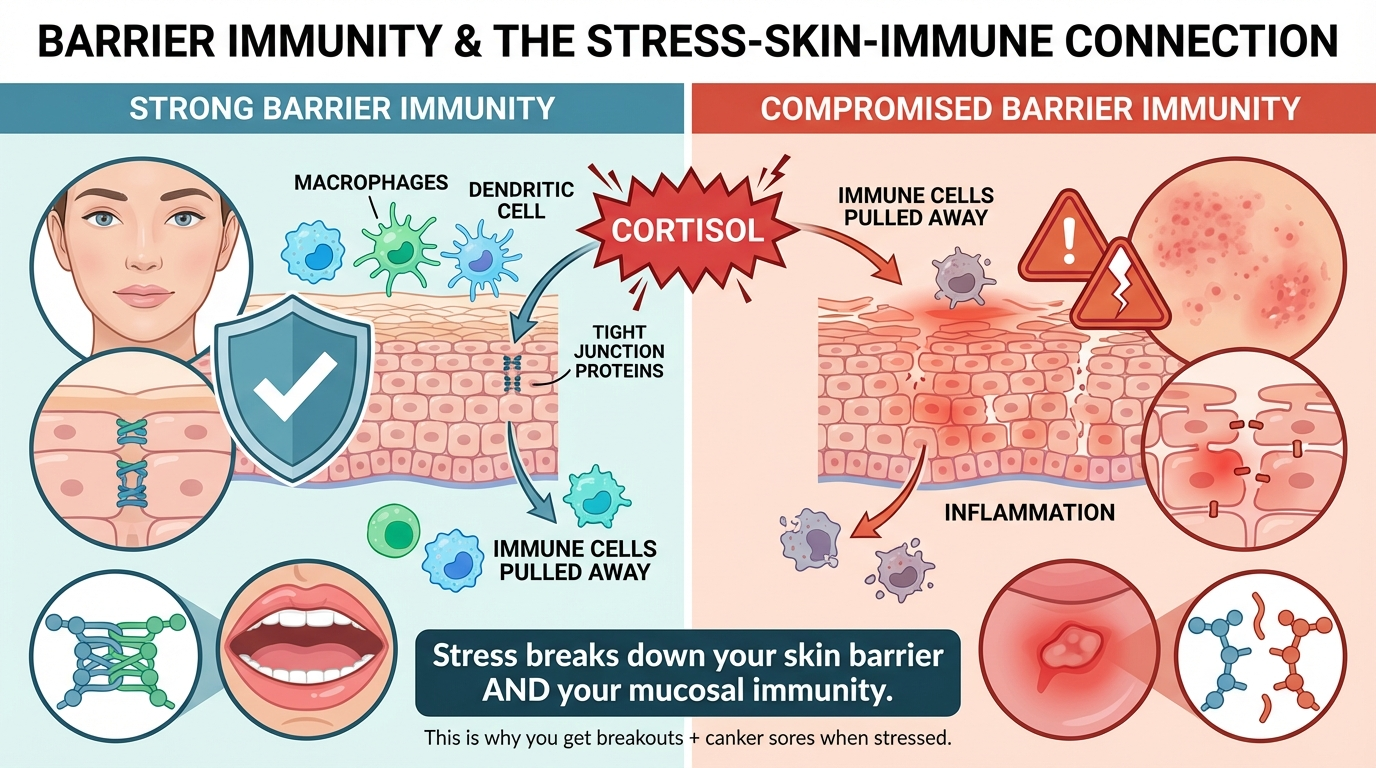
This differs from chronic skin conditions that remain constant regardless of stress levels. We’re discussing stress-reactive skin problems: breakouts that appear during deadlines, eczema patches that worsen during relationship conflicts, or generally inflamed skin during sustained pressure periods.
Why This Happens
Stress hormones (cortisol and adrenaline) suppress multiple aspects of immune function, including the skin’s resident immune cells (Langerhans cells) and antimicrobial peptide production. This creates opportunity for normally controlled bacteria like Cutibacterium acnes (formerly P. acnes) to proliferate and trigger inflammation.
Simultaneously, stress disrupts the gut microbiome through several mechanisms: increased intestinal permeability, altered bile acid production, and reduced beneficial bacteria populations. Since 70-80% of immune cells reside in gut-associated lymphoid tissue, gut dysbiosis directly impairs systemic immunity—including skin immunity.
The Gut-Skin Connection
Studies in Gut Pathogens demonstrate that probiotics and gut barrier support reduce skin inflammation by 35-45% in acne patients, often matching pharmaceutical treatments without side effects. The mechanism involves restoration of immune tolerance and reduction of inflammatory cytokines that affect skin integrity.
The Nutritional Intervention
Addressing stress-reactive skin problems requires supporting both gut barrier integrity and stress-modulated immunity:
Gut Barrier Repair: Nucleotides (300-500mg daily) accelerate intestinal cell turnover and strengthen tight junction proteins that prevent inflammatory compounds from entering circulation. Clinical studies show nucleotide supplementation reduces intestinal permeability by 40% within 3-4 weeks.
Gut Microbiome Support: While NuviaLab Immune focuses on immune nutrients rather than probiotics, the nucleotides it contains serve as “fuel” for beneficial gut bacteria, indirectly supporting microbiome health without requiring refrigeration or complex dosing schedules.
Antioxidant Skin Protection: Vitamin C (500mg+), selenium (200mcg), and zinc (25mg) provide the raw materials for skin barrier repair and reduce oxidative damage from stress-induced inflammation. Zinc specifically regulates sebum production and has direct antimicrobial effects against acne-causing bacteria.
Multi-Nutrient Advantage
Research published in Nutrients journal found that multi-nutrient interventions addressing both gut and immune pathways produced 60% better outcomes for inflammatory skin conditions compared to single-nutrient approaches.
Quick Self-Assessment
Track your skin condition alongside your stress levels for 2-3 weeks. If breakouts or flares consistently appear 2-3 days after high-stress periods, or if your skin improves during vacations/weekends, the gut-skin-immune connection needs support. This pattern indicates your baseline immune function provides inadequate reserve capacity during stress periods.
Sign 5: You Get Canker Sores Easily
The Warning Signal
Recurrent canker sores (aphthous ulcers)—those painful white or yellow lesions that appear inside your mouth, on your tongue, or on inner cheeks—indicate mucosal immune barrier weakness and micronutrient insufficiency. While occasional canker sores occur in most people, frequent lesions (3+ per year) or lesions that take 10+ days to heal reflect underlying immune dysfunction.
Many people incorrectly attribute canker sores to acidic foods or minor trauma. While these factors can trigger lesions, underlying vitamin C and B vitamin deficiencies determine whether your mucous membranes can resist and repair such challenges.
Why This Happens
Your oral mucosa constantly encounters bacteria, fungi, and viruses. Healthy mucosal immunity prevents these microorganisms from causing tissue damage through several mechanisms: secretory IgA antibodies, antimicrobial peptides, and rapid epithelial cell turnover that replaces damaged cells before inflammation establishes.
Vitamin C deficiency specifically impairs collagen synthesis, the structural protein that maintains mucosal barrier integrity. Without adequate vitamin C, even minor mechanical stress (from toothbrushing or eating crunchy foods) creates micro-lesions that fail to heal quickly. These lesions then become inflamed, producing the painful ulcers we recognize as canker sores.
B Vitamin Connection
A study in The Journal of the American Dental Association found that 28% of recurrent canker sore patients had measurable B12 deficiency, and supplementation (1000mcg daily) reduced recurrence by 75% over six months.
The Nutritional Intervention
Preventing canker sores requires restoring mucosal barrier integrity and supporting rapid tissue repair:
Collagen Support for Barrier Integrity: Vitamin C (1000mg daily) provides the cofactor needed for collagen synthesis and hydroxylation, the chemical modification that gives collagen its structural strength. Clinical trials show vitamin C supplementation reduces canker sore frequency by 50-60% in individuals with recurrent lesions.
Accelerated Epithelial Turnover: B-complex vitamins (particularly B12 500-1000mcg, folate 400-800mcg, B6 50-100mg) support the rapid cell division required to replace damaged mucosal cells before ulcers form. This is especially important for oral tissues, which completely regenerate every 3-7 days.
Amino Acid Building Blocks: While NuviaLab Immune focuses primarily on micronutrients, the nucleotides it contains provide precursors for amino acid synthesis, indirectly supporting the protein production needed for tissue repair.
Synergistic Approach
Research in Oral Surgery, Oral Medicine, Oral Pathology demonstrated that multi-nutrient supplementation (vitamin C + B-complex + zinc) reduced canker sore recurrence by 80%, while single nutrients showed only 30-40% benefit.
Quick Self-Assessment
Count the number of canker sores you’ve had in the past 12 months. If you’ve had 3 or more lesions, or if individual sores take longer than 7 days to heal, your mucosal immunity needs nutritional support. This pattern becomes increasingly common after age 40, when stomach acid production decreases and vitamin B12 absorption declines.
Sign 6: You’re Frequently Bloated or Have Digestive Issues
The Warning Signal
Persistent bloating, irregular bowel movements, or general digestive discomfort—especially if symptoms worsen during stress or after eating previously well-tolerated foods—often indicates gut immune dysfunction rather than simple food intolerances. This differs from diagnosed conditions like celiac disease or Crohn’s disease; we’re discussing functional digestive issues that conventional testing doesn’t identify.
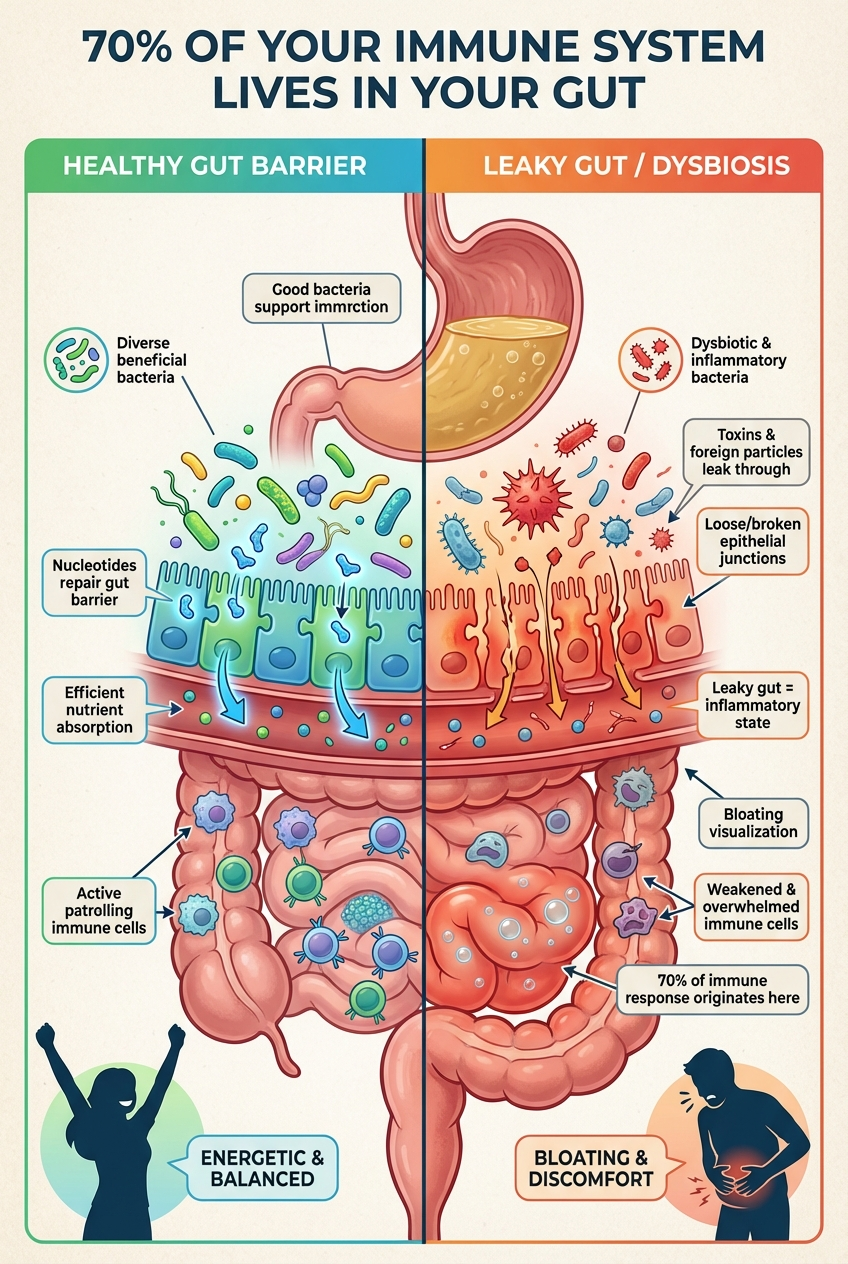
Many people cycle through elimination diets (removing gluten, dairy, FODMAPs) without sustainable improvement because the underlying problem isn’t the food itself—it’s compromised gut barrier integrity and immune dysregulation that creates inappropriate inflammatory responses to normal dietary components.
Why This Happens
Your intestinal lining serves as both a nutrient absorption surface and an immune barrier that prevents harmful substances from entering your bloodstream. This barrier consists of a single layer of epithelial cells held together by tight junction proteins. When these junctions become “leaky” (increased intestinal permeability), partially digested food proteins and bacterial components enter circulation and trigger immune responses.
The immune system correctly identifies these substances as foreign and mounts inflammatory reactions, but the chronic nature of increased permeability means this inflammatory state never resolves. The result: bloating, discomfort, and reactivity to foods that never previously caused problems.
The 70-80% Rule
Research published in Frontiers in Immunology found that 70-80% of immune cells reside in gut-associated lymphoid tissue (GALT). This means gut immune dysfunction doesn’t stay localized—it affects systemic immunity, contributing to the frequent infections, slow recovery, and chronic fatigue we’ve already discussed.
The Nutritional Intervention
Restoring gut immune function requires simultaneous barrier repair and immune rebalancing:
Intestinal Barrier Repair: Nucleotides (300-500mg daily) provide the building blocks for rapid intestinal cell turnover. Your intestinal lining completely regenerates every 3-5 days, but this process requires adequate nucleotides. Supplementation reduces intestinal permeability by 40-50% within 4 weeks according to clinical studies.
Tight Junction Strengthening: Zinc (25-30mg daily) directly regulates tight junction protein expression and assembly. Studies show zinc supplementation reduces intestinal permeability by 35% and decreases systemic inflammatory markers by 25% in individuals with leaky gut.
Immune Modulation: While NuviaLab Immune focuses on other immune pathways, its nucleotide content supports the gut immune cells that regulate responses to dietary components.
For readers particularly interested in age-related immune changes and gut health, our guide on supplements for women over 40 and immunity explores how hormonal changes affect gut-immune interactions and what nutritional adjustments help most.
Quick Self-Assessment
Monitor your digestive symptoms for 2 weeks, noting bloating, discomfort, or irregular bowel movements. If symptoms occur 3+ days per week, or if you’ve noticed increasing food sensitivities over the past year, your gut immune barrier likely needs support. This pattern particularly affects people who’ve taken multiple antibiotic courses or experienced prolonged stress periods.
Sign 7: Your Body Feels “Off” But Tests Show Nothing
The Warning Signal
Perhaps the most frustrating sign of immune dysfunction: you feel decidedly unwell—low energy, mild aches, general malaise—but standard blood work returns normal results. Your doctor assures you nothing’s wrong, yet you know your body isn’t functioning optimally. This represents subclinical immune dysfunction, where immune markers haven’t deteriorated enough to meet diagnostic criteria but have declined sufficiently to affect how you feel daily.
Medical testing typically identifies disease states, not pre-disease functional insufficiency. Standard panels measure iron, thyroid, glucose, and basic blood counts but rarely assess immune-specific markers like lymphocyte subsets, cytokine profiles, or micronutrient status. You can have “normal” test results while operating at 60-70% of optimal immune capacity.
Why This Happens
Immune system decline occurs gradually over months or years, not suddenly. Multiple small deficiencies accumulate: slightly low zinc, borderline B12, insufficient vitamin D, marginal selenium. Each individual nutrient falls within “normal” laboratory ranges (which are based on avoiding deficiency disease, not optimizing function), but collectively they impair immune system efficiency.
Subclinical Immune Dysfunction
Research in Nutrients journal demonstrates that micronutrient insufficiency (levels below optimal but above deficiency) is remarkably common in Western populations. One study found 92% of Americans have at least one micronutrient insufficiency, with immune-critical nutrients (vitamin C, vitamin D, zinc, selenium) among the most frequently inadequate.
The Nutritional Intervention
Addressing subclinical immune dysfunction requires comprehensive nutritional support that targets multiple pathways simultaneously:
Multi-Layer Immune Support: Rather than supplementing individual nutrients, research increasingly supports multi-ingredient formulas that address barrier immunity, cellular immunity, gut immunity, and antioxidant defense together. This approach recognizes that immune function depends on numerous interconnected pathways, not single-nutrient bottlenecks.
Bioavailable Forms: Nutrient form matters as much as dosage. Zinc citrate absorbs better than zinc oxide. Selenium yeast shows superior bioavailability compared to selenite. Methylated B vitamins (methylfolate, methylcobalamin) bypass genetic variations that impair standard folic acid and cyanocobalamin absorption.
Therapeutic Dosing: “Maintenance” doses (matching RDAs) prevent deficiency disease but often fail to restore optimal function in individuals with existing insufficiency. Therapeutic doses—higher than RDAs but within established safe upper limits—provide the surplus needed to replenish tissue stores and restore biochemical efficiency.
NuviaLab Immune exemplifies this comprehensive approach: 11 active ingredients in therapeutic doses, emphasizing bioavailable forms, targeting all four immune layers we discussed. The formula specifically addresses the “feeling off” syndrome by supporting the multiple small insufficiencies that standard testing misses.
Quick Self-Assessment
If you’ve consulted doctors about persistent unwellness, received “normal” test results, but continue experiencing low energy, mild inflammation, or general malaise, subclinical immune dysfunction likely explains the gap between how you feel and what tests show. This pattern is particularly common in adults over 35, where immune nutrient demands increase while dietary intake often decreases.
Your Immunity Assessment: Evaluation Framework
Now that you understand the seven primary signs of immune weakness, evaluating your current immune status helps determine appropriate intervention intensity. This framework is not a medical diagnosis but rather a self-assessment tool to gauge whether nutritional immune support makes sense for your situation.
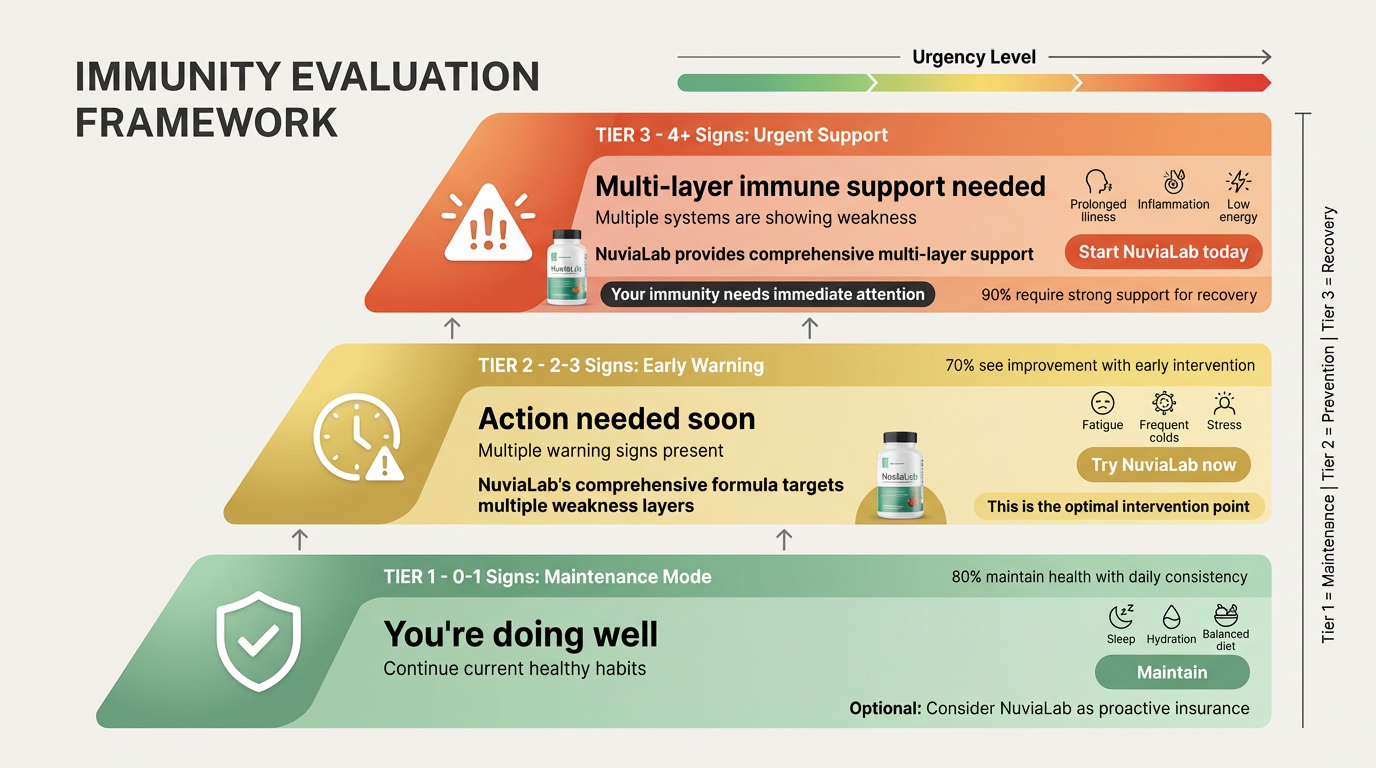
0-1 Signs: Maintenance Phase
If you experience only occasional symptoms that don’t form patterns, your immune system likely functions adequately. However, preventive support can provide insurance against future decline.
Recommendation: Baseline immune support (50-75% of therapeutic doses) during high-risk periods.
2-3 Signs: Early Warning
Multiple immune warning signs indicate your immune system is showing strain but hasn’t yet developed chronic dysfunction. This represents the optimal intervention window.
Recommendation: Therapeutic-dose immune support for 8-12 weeks. Focus on comprehensive formulas that address multiple pathways.
The quercetin and vitamin C synergy analysis explains why combination approaches outperform isolated nutrients.
4+ Signs: Urgent Support Recommended
If you’re experiencing four or more warning signs, your immune system has multiple simultaneous weaknesses that require immediate comprehensive intervention.
Recommendation: 8-12 weeks of consistent therapeutic-dose supplementation, followed by maintenance support. Medical consultation advisable to rule out underlying conditions.
NuviaLab Immune was specifically formulated for this category, providing therapeutic doses of 11 immune-supporting nutrients.
Your Immunity Type
Beyond counting signs, recognizing your primary immune weakness pattern helps target support:
| Immunity Type | Primary Issue | Key Nutrients | Timeline |
|---|---|---|---|
| Type A: Frequent Infections | Barrier immunity and mucosal antibody weakness | Vitamin C, zinc, nucleotides | 3-4 weeks for reduced infection frequency |
| Type B: Slow Recovery | Adaptive immunity and cellular energy | B-complex, vitamin C, CoQ10, selenium | 2-3 weeks for faster recovery |
| Type C: Stress-Reactive | Gut barrier integrity and stress-modulated immunity | Nucleotides, zinc, selenium, B vitamins | 4-6 weeks for gut barrier repair |
| Type D: Multiple Systems | Comprehensive micronutrient insufficiency | Full-spectrum immune formula with therapeutic doses | 6-8 weeks for systemic improvement |
Most people with 4+ signs fall into Type D, requiring comprehensive multi-pathway support rather than targeted single-nutrient intervention.
Realistic Expectations: What Improvement Looks Like Week-by-Week
One reason people abandon immune support supplements is unrealistic expectations about improvement timelines. Understanding what happens during each phase of immune restoration helps you recognize progress and maintain consistent supplementation long enough to achieve results.
Week 1-2: Foundation Building
During the first two weeks, you’re unlikely to notice dramatic changes. Your body is absorbing nutrients, replenishing tissue stores, and beginning to synthesize immune cells with improved raw materials.
Some people report slightly improved energy around day 10-14 as cellular energy pathways begin functioning more efficiently. However, immune cell populations haven’t meaningfully changed yet.
Week 3-4: Early Improvements
By week three, newly synthesized immune cells incorporating adequate micronutrients enter circulation. You might notice:
- Slightly faster recovery if you develop a cold (perhaps 6 days instead of 8)
- Reduced afternoon fatigue (energy sustains 1-2 hours longer)
- Less severe stress-reactive symptoms (skin, digestion)
These improvements are often subtle enough that you question whether they’re “real” or placebo effect. This is normal.
Week 5-8: Measurable Progress
Between weeks five and eight, cumulative effects become noticeable:
- If exposed to colds, you may avoid infection entirely
- Cold recovery time drops to 4-5 days
- Baseline energy improves noticeably; afternoon crashes become less frequent
- Digestive comfort improves (less bloating, more regular bowel movements)
- Skin reactivity to stress decreases
At this point, most people recognize clear improvement from baseline and commit to continued supplementation.
Week 9-12: Optimal Function Restoration
By three months of consistent supplementation, immune function approaches optimal capacity:
- Infection frequency drops noticeably (you may go months without colds)
- When infections occur, recovery is efficient (3-5 days for viral illnesses)
- Energy remains stable throughout the day
- Stress no longer triggers immediate digestive or skin problems
- General sense of resilience and wellbeing improves
Critical Success Factor
Immune restoration requires consistent supplementation for at least 8 weeks to fairly evaluate effectiveness. Stopping at 2-3 weeks because you don’t feel dramatically different prevents you from reaching the point where meaningful improvements occur.
Why Comprehensive Formulas Outperform Single Nutrients
Throughout this article, we’ve emphasized multi-ingredient immune support rather than isolated nutrients. This reflects current immunology research showing that immune function depends on numerous interconnected pathways that single nutrients cannot adequately address.
The Single-Nutrient Problem
Consider what happens when you supplement only vitamin C for immune support: Vitamin C strengthens barrier immunity and supports white blood cell function, providing genuine benefit. However, without adequate zinc, T-cell proliferation remains impaired. Without B vitamins, immune cell signaling stays inefficient. Without selenium, excessive inflammation continues. Without nucleotides, immune cells can’t replicate quickly during infection challenges.
The result: partial improvement that disappoints because it doesn’t match the comprehensive results you expected.
Clinical Evidence for Synergy
Research published in the British Journal of Nutrition compared single-nutrient supplementation versus multi-nutrient formulas in elderly adults:
| Outcome | Single Nutrients | Multi-Nutrient Formula |
|---|---|---|
| Infection frequency reduction | 18% | 45% |
| Infection duration reduction | 0.8 days | 2.3 days |
| Immune marker improvement | 12% | 38% |
The NuviaLab Immune Formula
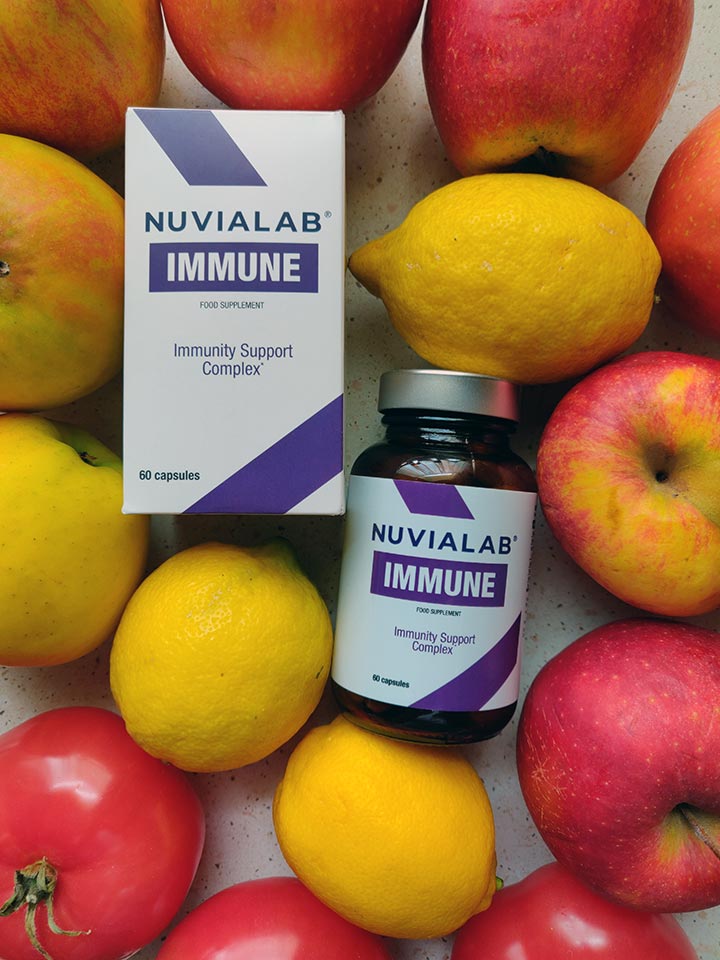
This synergy explains why NuviaLab Immune contains 11 coordinated ingredients rather than mega-doses of a single nutrient. Each component addresses different immune pathways:
| Ingredient | Dosage | Primary Function |
|---|---|---|
| Vitamin C | 500mg | Barrier immunity, white blood cell function, collagen synthesis |
| Zinc | 25mg | T-cell proliferation, tight junction integrity, antimicrobial activity |
| Selenium | 200mcg | Inflammation regulation, antioxidant defense, immune cell protection |
| B-complex vitamins | Therapeutic doses | Immune cell energy, cytokine signaling, cellular replication |
| Nucleotides | 300mg | Rapid immune cell production, gut barrier repair, DNA synthesis |
| CoQ10 | 100mg | Cellular energy for immune responses, antioxidant support |
This coordinated approach addresses the reality that immune dysfunction rarely results from single nutrient deficiency. Multiple small insufficiencies accumulate to create the seven warning signs we’ve discussed.
Scientific References
This article’s recommendations derive from peer-reviewed immunology and nutrition research:
- Wintergerst ES, et al. “Immune-enhancing role of vitamin C and zinc and effect on clinical conditions.” Ann Nutr Metab. 2006;50(2):85-94. PubMed: 16373990
- Maggini S, et al. “Selected vitamins and trace elements support immune function by strengthening epithelial barriers and cellular and humoral immune responses.” Br J Nutr. 2007;98 Suppl 1:S29-35. PubMed: 17922956
- Hemilä H, Chalker E. “Vitamin C for preventing and treating the common cold.” Cochrane Database Syst Rev. 2013;(1):CD000980. PubMed: 23440782
- Prasad AS. “Zinc in human health: effect of zinc on immune cells.” Mol Med. 2008;14(5-6):353-357. PubMed: 18385818
- Rayman MP. “Selenium and human health.” Lancet. 2012;379(9822):1256-1268. PubMed: 22381456
- Maggini S, et al. “Immune function and micronutrient requirements change over the life course.” Nutrients. 2018;10(10):1531. PubMed: 30336639
- Girodon F, et al. “Impact of trace elements and vitamin supplementation on immunity and infections in institutionalized elderly patients: a randomized controlled trial.” Arch Intern Med. 1999;159(7):748-754. PubMed: 10218755
- Wu D, et al. “Nutritional modulation of immune function: analysis of evidence, mechanisms, and clinical relevance.” Front Immunol. 2019;9:3160. PubMed: 30697209
- Calder PC, Carr AC, Gombart AF, Eggersdorfer M. “Optimal nutritional status for a well-functioning immune system is an important factor to protect against viral infections.” Nutrients. 2020;12(4):1181. PubMed: 32340216
- Hagan S, et al. “Nucleotide nutrition and intestinal development.” Nutrients. 2016;8(5):263. PubMed: 27144581
- Zimmermann P, Curtis N. “The influence of the intestinal microbiome on vaccine responses.” Vaccine. 2018;36(30):4433-4439. PubMed: 29571967
- Childs CE, Calder PC, Miles EA. “Diet and immune function.” Nutrients. 2019;11(8):1933. PubMed: 31426423
- Gombart AF, Pierre A, Maggini S. “A review of micronutrients and the immune system-working in harmony to reduce the risk of infection.” Nutrients. 2020;12(1):236. PubMed: 31963293
Final Thoughts: Recognition Before Intervention
Most people ignore subtle immune warning signs until frequent infections force them to seek help. By then, immune insufficiency has progressed from minor nutrient gaps to systemic dysfunction requiring longer restoration periods.
The seven signs we’ve examined—frequent infections, slow recovery, chronic fatigue, stress-reactive skin, canker sores, digestive issues, and general unwellness—represent your body’s early communication that immune systems need support. Recognizing these signals creates an intervention window where nutritional support can restore function before clinical deficiencies develop.
Immune restoration requires patience. You’re rebuilding cellular populations, replenishing tissue nutrient stores, and rebalancing complex inflammatory pathways—processes that occur over weeks and months, not days. Consistent supplementation with comprehensive formulas that address multiple immune pathways simultaneously provides the best outcomes according to current research.
Whether you choose NuviaLab Immune or another research-based immune formula, the principle remains: early recognition of immune warning signs, followed by sustained multi-pathway nutritional support, offers the most effective approach to maintaining resilient immune function throughout adult life.
Medical Disclaimer
The information provided in this article is for educational and informational purposes only and is not intended as medical advice, diagnosis, or treatment. The content discusses nutritional approaches to immune support based on published scientific research but does not constitute professional medical advice.
Important Considerations
Consult Healthcare Providers: Always consult with a qualified healthcare provider before starting any new supplement regimen, particularly if you have existing health conditions, take prescription medications, are pregnant or nursing, or have concerns about your immune system.
Not FDA Evaluated: Statements regarding dietary supplements have not been evaluated by the Food and Drug Administration (FDA). Dietary supplements are not intended to diagnose, treat, cure, or prevent any disease.
Pregnancy and Nursing: If you are pregnant, planning to become pregnant, or nursing, consult your healthcare provider before taking any supplements. Some nutrients, even beneficial ones, may require dosage adjustments during pregnancy and lactation.
Individual Variation: Results from nutritional supplementation vary significantly between individuals based on genetic factors, existing health status, diet quality, lifestyle factors, and other variables. The timelines and outcomes described represent typical ranges observed in clinical research but may not reflect your individual experience.
Not a Substitute: Nutritional supplementation should complement, not replace, a balanced diet, adequate sleep, stress management, regular exercise, and appropriate medical care. Supplements cannot compensate for fundamentally unhealthy lifestyle patterns.
Pre-existing Conditions: If you have autoimmune conditions, chronic infections, immunodeficiency disorders, cancer, or other serious health conditions, work closely with your healthcare team before modifying your supplement regimen. Some immune-supporting nutrients may interact with immunosuppressive medications or other treatments.
Medication Interactions: Many nutrients can interact with prescription medications. For example, vitamin K affects warfarin, high-dose vitamin C may interfere with chemotherapy, and zinc can reduce absorption of certain antibiotics. Always inform your healthcare providers about all supplements you take.
Emergency Situations: If you experience severe symptoms (high fever, difficulty breathing, severe pain, or other emergency warning signs), seek immediate medical attention. Nutritional approaches address chronic low-grade immune dysfunction, not acute medical emergencies.
Testing: The assessment framework in this article is a self-evaluation tool, not a medical diagnostic instrument. If you suspect immune dysfunction, appropriate medical testing (complete blood count, immune markers, micronutrient panels) provides objective evaluation that supplements cannot replace.
The author and publisher are not liable for any adverse effects or consequences resulting from the use of the information or suggestions presented in this article. Readers assume full responsibility for consulting qualified healthcare professionals regarding their specific health situations.
Affiliate Disclosure
Transparency About Commercial Relationships
This article contains affiliate links to NuviaLab Immune and potentially other products. This means that if you click on these links and make a purchase, we may receive a commission at no additional cost to you.
Why We Use Affiliate Links
We provide extensive research, analysis, and educational content about immune health and nutritional supplementation. Affiliate commissions help support the time and expertise required to create comprehensive, science-based content that helps readers make informed decisions about their health.
Our Editorial Standards
Our affiliate relationships do not influence the scientific accuracy or objectivity of our content. The recommendations in this article are based on:
- Published peer-reviewed research in immunology and nutrition journals
- Clinical trial data on immune-supporting nutrients
- Established mechanisms of action for vitamins, minerals, and other compounds
- Professional evaluation of formulation quality, ingredient forms, and therapeutic dosing
We recommend NuviaLab Immune specifically because its formulation aligns with current research on multi-pathway immune support, uses bioavailable nutrient forms, and provides therapeutic doses of key immune nutrients. If our research suggested a different product offered superior formulation, we would recommend that product instead, regardless of affiliate status.
Alternative Options
While we highlight NuviaLab Immune due to its research-aligned formulation, we acknowledge that other quality immune supplements exist. Readers should evaluate products based on:
- Ingredient quality and forms (bioavailability)
- Dosing levels (therapeutic vs. maintenance)
- Third-party testing and quality verification
- Company reputation and manufacturing standards
- Individual health needs and budget considerations
No Obligation
You are never obligated to purchase products through our affiliate links. You can:
- Purchase the same products directly from manufacturer websites
- Choose alternative products after conducting your own research
- Work with your healthcare provider to identify appropriate supplements
- Decline supplementation entirely if it doesn’t align with your health approach
FTC Compliance
This disclosure complies with Federal Trade Commission (FTC) guidelines regarding affiliate relationships and endorsements. We are legally required to disclose material connections between content creators and product manufacturers or distributors.
Your Trust Matters
We recognize that health decisions require trust, and we take that responsibility seriously. Our goal is to provide accurate, research-based information that helps you make informed decisions about immune health support, whether or not you choose to purchase products we recommend.
If you have questions about our affiliate relationships, content accuracy, or product recommendations, please contact us. We value transparency and accountability in our commercial relationships.