
INTRODUCTION
Struggling with weight loss despite eating healthy? The problem might be insulin resistance and blood sugar dysregulation. For years, you’ve done everything “right.” You’ve cut out processed foods, counted your calories, moved your body consistently, and yet—the number on the scale refuses to budge. The frustration is real, and if you’re nodding along right now, you’re not alone.
More than 35,000 people search “why can’t I lose weight eating healthy” every single month. That’s thousands of women and men who feel betrayed by their own bodies, confused about why their clean eating habits aren’t translating into weight loss results.
Here’s what most people don’t realize: Your healthy diet didn’t fail. Your blood sugar—and the underlying insulin resistance it signals—did.
The real culprit behind stubborn weight gain—especially the kind that persists despite your best efforts—isn’t a lack of willpower or bad genetics. It’s a biological mechanism that most people don’t even know exists: blood sugar dysregulation and insulin resistance.
When your blood sugar is unstable, it triggers a cascade of hormonal responses that make fat loss nearly impossible. Your body shifts into storage mode. Your appetite hormones go haywire. Your metabolism slows to a crawl. And your cravings become so intense that even the most disciplined person would struggle to resist them.
In this article, we’re going to walk through the four primary mechanisms by which high blood sugar and insulin resistance sabotage weight loss—and what you can do about it. These aren’t opinion pieces or trendy theories. These are established physiological processes that happen in your body every single day, backed by decades of metabolic research.
Let’s dive in.
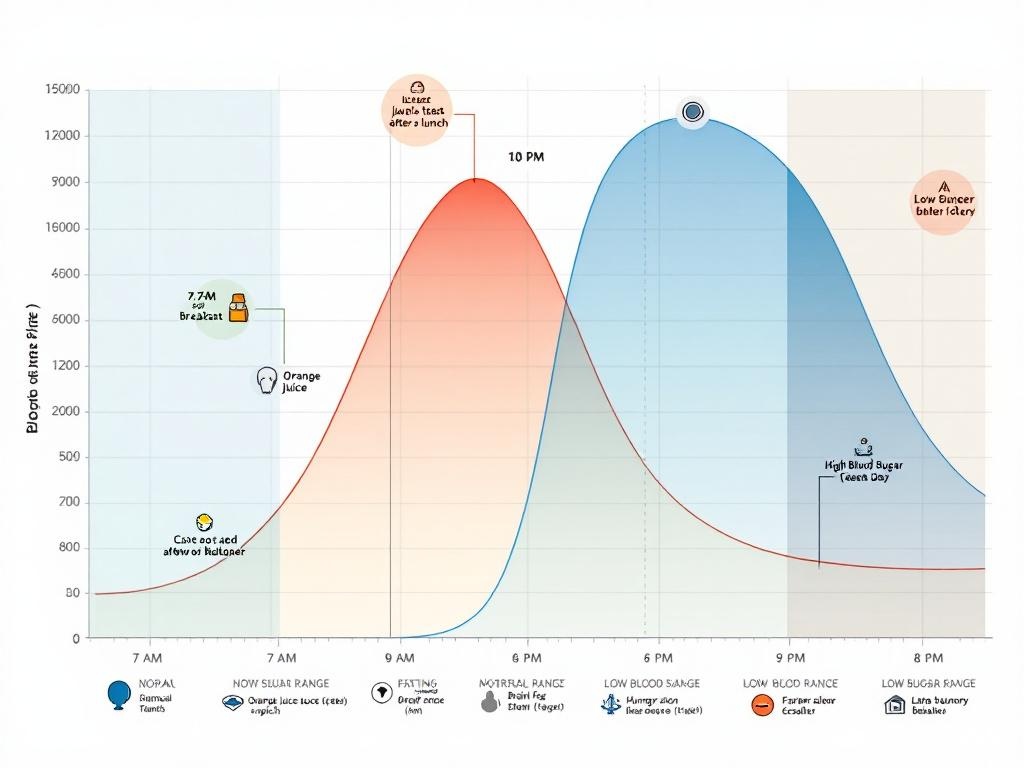
WAY #1: INSULIN SPIKES TRIGGER CRAVINGS & HIJACK YOUR HUNGER HORMONES
Imagine this scenario: You eat a seemingly healthy breakfast—maybe some oatmeal with a banana and a glass of orange juice. Within 30 minutes, your blood sugar skyrockets. Your pancreas releases a surge of insulin to bring those glucose levels back down.
Here’s where the problem begins.
Insulin is a storage hormone. When insulin levels are elevated, your body receives a clear signal: “Store energy as fat.” But that’s not the worst part. High insulin also interferes with two critical appetite-regulating hormones: leptin (the “I’m full” hormone) and ghrelin (the “I’m hungry” hormone).
The Leptin Resistance Problem
Leptin is produced by your fat cells and signals to your brain that you have enough energy stored and don’t need to eat. But when insulin levels are chronically elevated—which happens with repeated blood sugar spikes—your brain stops receiving leptin’s message properly. This is called leptin resistance.
The result? Your brain thinks you’re starving, even when you’re not. So it cranks up your hunger signals, demanding more food. You eat, your insulin spikes again, and the cycle continues.
The Ghrelin Surge
About 2-3 hours after that initial blood sugar spike, something else happens: your glucose levels plummet. This crash triggers a surge in ghrelin production—your body’s primary hunger hormone. Ghrelin doesn’t just make you feel hungry; it makes you feel urgently, desperately hungry.
And here’s the kicker: ghrelin specifically drives cravings for high-calorie, high-sugar foods because your brain perceives the glucose crash as an emergency. It wants the fastest energy source possible.
The Cortisol Connection
There’s a third player in this hormonal nightmare: cortisol, your stress hormone. When blood sugar drops rapidly, your body interprets this as a stressor. Cortisol levels rise to help release stored glucose. But cortisol also increases appetite—particularly for comfort foods high in sugar and fat.
If you’re dealing with chronic stress on top of blood sugar instability, this cortisol response becomes even more pronounced. Studies suggest that people in this metabolic state can consume 500+ extra calories per day without even realizing it, driven purely by hormonal signals.
This isn’t a character flaw. Your biology is working against you. The sugar cravings at 3 PM aren’t weakness—they’re a predictable hormonal response to blood sugar dysregulation.
Understanding the symptoms of unstable blood sugar is the first step toward addressing insulin resistance and regaining control over your appetite. When you stabilize your glucose, these hunger hormones return to normal function—and suddenly, appetite control becomes effortless instead of a constant battle.
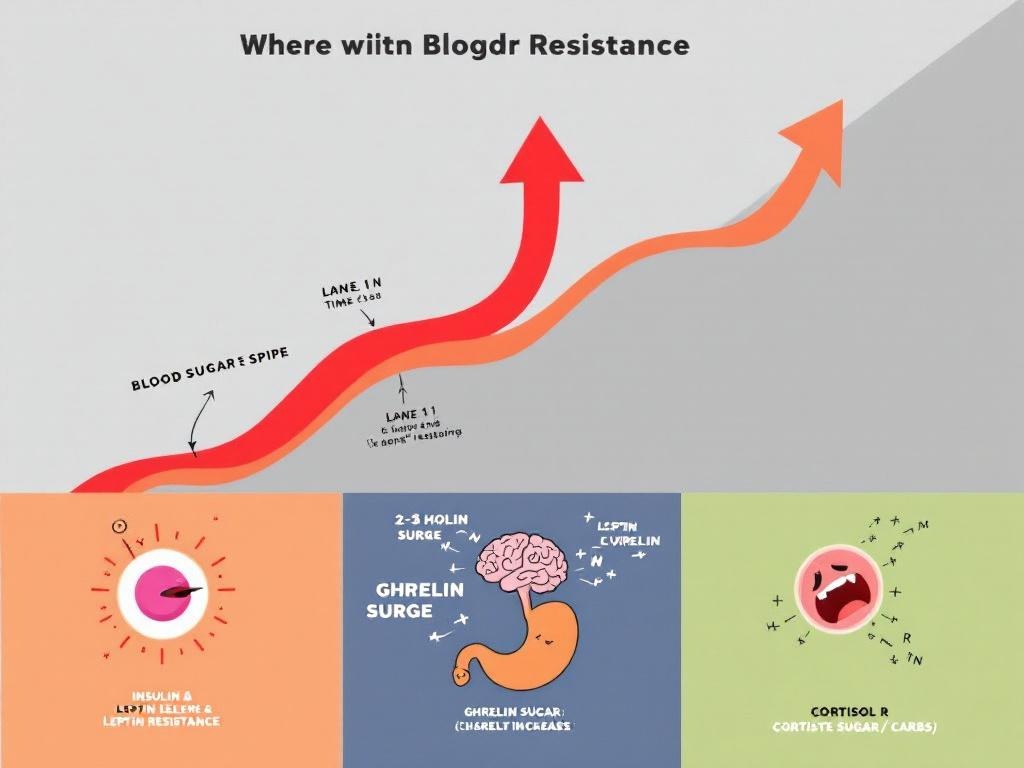
WAY #2: GLUCOSE CRASHES CAUSE OVEREATING & BINGE CYCLES
Let’s talk about what happens in the hours after you eat—the part most people don’t connect to their weight struggles.
You start your day with breakfast. Maybe it’s toast and coffee, or a smoothie loaded with fruit, or even cereal with milk. All of these spike your blood sugar. Your pancreas releases insulin. And then, a few hours later, your blood sugar doesn’t just return to normal—it often drops below your fasting baseline.
This is called reactive hypoglycemia, or a glucose crash. And it’s one of the most underrecognized causes of overeating.
What a Glucose Crash Feels Like
The physical symptoms of a blood sugar crash are unmistakable once you know what to look for:
Fatigue and brain fog. Your brain runs primarily on glucose. When levels drop too low, cognitive function suffers. You feel sluggish, unfocused, irritable.
Shakiness and weakness. Your muscles are also glucose-dependent. Low blood sugar can cause trembling hands and a sense of physical weakness.
Anxiety and irritability. The drop in glucose triggers a stress response, releasing cortisol and adrenaline. This can manifest as nervousness, frustration, or emotional volatility.
Intense hunger. Your brain sends urgent “EAT NOW” signals to raise glucose levels as quickly as possible.
The Behavioral Consequence: Poor Food Choices
Here’s where weight loss efforts fall apart. When you’re in a glucose crash, your brain doesn’t want you to eat a balanced meal with protein and vegetables. It wants immediate energy—which means high-sugar, high-calorie foods.
You reach for the candy bar from the vending machine. The bag of chips. The cookies in the break room. Not because you lack discipline, but because your brain has activated a biological override system designed to prevent starvation.
The Meal-to-Meal Cycle
This pattern often repeats multiple times throughout the day. Here’s a common timeline:
7 AM: Breakfast with orange juice and toast. Blood sugar spikes.
10 AM: Crash. Brain fog sets in. You grab a muffin or latte.
1 PM: Lunch with a sandwich and chips. Another spike.
3 PM: Another crash. Vending machine run.
6 PM: Dinner. By this point, you’re exhausted and hungry.
9 PM: Evening snacking because you “need something sweet.”
Each crash leads to overeating. Each overeating episode leads to another spike. And the cumulative effect is that you’re consuming hundreds of extra calories driven entirely by blood sugar instability—not true hunger.
Weekend and Evening Overeating
Many people report that they eat relatively well during the day but lose control in the evenings or on weekends. This isn’t random. It’s the accumulated fatigue and glucose dysregulation from days of crashes manifesting as binge-like eating.
Do you find yourself eating more on certain days without understanding why? That’s not random. That’s your body’s glucose response creating a biological override to your willpower.
Breaking this cycle requires addressing the root cause: stabilizing blood sugar so that crashes don’t happen in the first place. When glucose levels remain steady, hunger becomes predictable and manageable. You eat when you’re actually hungry, and you stop when you’re full—the way it’s supposed to work.
WAY #3: UNSTABLE BLOOD SUGAR SLOWS YOUR METABOLISM
One of the most frustrating aspects of insulin resistance is how it affects your basal metabolic rate—the number of calories your body burns at rest just to keep you alive.
When blood sugar is stable, your cells respond properly to insulin. Glucose enters cells efficiently, providing energy for all bodily functions. Your metabolism hums along at its normal pace.
But when you develop insulin resistance—a condition where cells stop responding properly to insulin signals—everything changes.
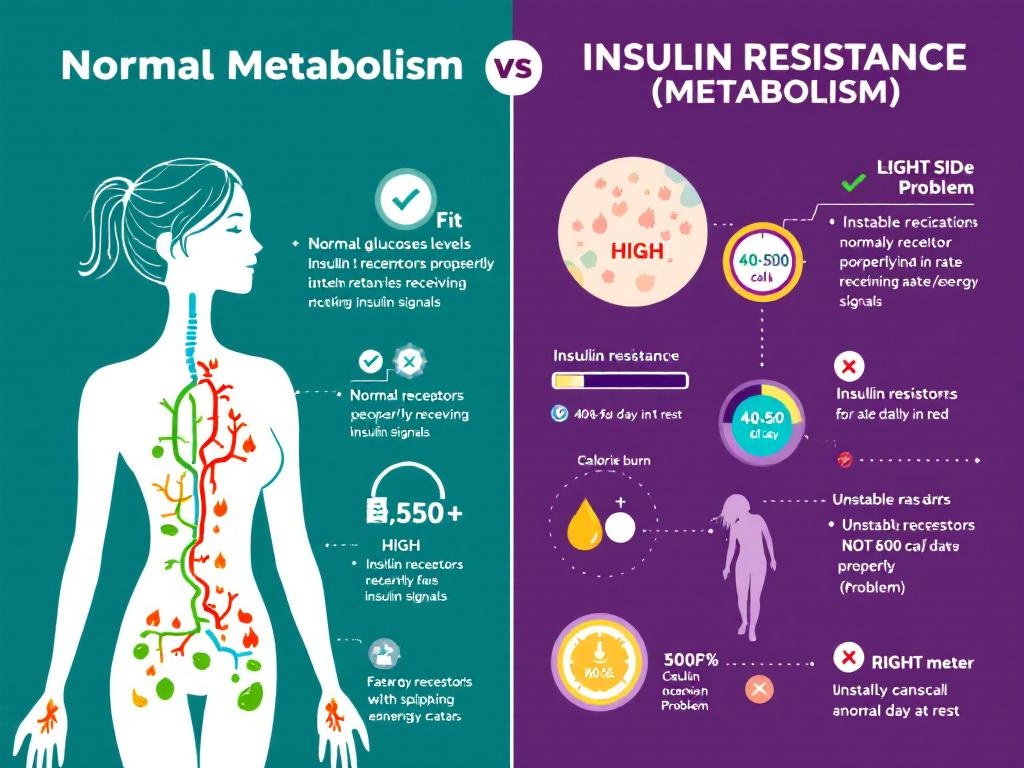
How Insulin Resistance Develops
Insulin resistance doesn’t happen overnight. It’s the result of chronically elevated insulin levels from repeated blood sugar spikes. Here’s the progression:
Stage 1: Your pancreas produces normal amounts of insulin. Your cells respond normally. Blood sugar stays stable.
Stage 2: Repeated spikes cause your pancreas to produce more and more insulin. Cells start to become less sensitive to its signal.
Stage 3: Your pancreas must produce extremely high levels of insulin just to move glucose into cells. This is insulin resistance.
Stage 4: Eventually, even high insulin can’t control blood sugar effectively. This is prediabetes or type 2 diabetes.
Most people struggling with weight loss are somewhere between Stage 2 and Stage 3—they have significant insulin resistance but don’t realize it.
The Metabolic Slowdown
When you have insulin resistance, your metabolism doesn’t work the way it should. Research suggests that women with insulin resistance burn 200-400 fewer calories per day at rest compared to women with normal insulin sensitivity—even if they’re the same weight and activity level.
This metabolic slowdown happens for several reasons:
Reduced thermogenesis. Your body produces less heat from food digestion and basic cellular processes. This accounts for a significant portion of daily calorie burn.
Decreased NEAT (Non-Exercise Activity Thermogenesis). You naturally move less throughout the day because you have less energy. Fewer fidgeting movements, less spontaneous activity.
Impaired fat oxidation. Insulin resistance shifts your body’s fuel preference away from burning fat and toward storing it. Even when you’re in a calorie deficit, your body resists releasing fat stores.
The Visceral Fat Trap
Here’s where things get worse: insulin resistance particularly promotes visceral fat accumulation—the deep belly fat that surrounds your organs. And visceral fat itself produces inflammatory compounds that worsen insulin resistance.
It’s a vicious cycle: Insulin resistance → visceral fat storage → more insulin resistance → more visceral fat.
For Women Over 45: The Menopause Factor
If you’re a woman in your 40s or 50s, there’s an additional layer to this problem that makes weight loss even more challenging. Declining estrogen levels during perimenopause and menopause make insulin resistance significantly worse. Estrogen helps maintain insulin sensitivity, so when it drops, your cells become more resistant to insulin—even if your diet and exercise habits haven’t changed at all.
This hormonal shift is why so many women experience sudden, unexplained weight gain during menopause, particularly around the midsection. The combination of declining estrogen and worsening insulin resistance creates what researchers call “metabolic inflexibility”—your body becomes stuck in fat-storage mode and resistant to burning stored energy. Add to this the fact that menopause also affects sleep quality (which further worsens insulin sensitivity), and you have a perfect storm for metabolic slowdown.
The good news? When you improve insulin sensitivity and stabilize blood sugar, metabolic rate begins to normalize—even during menopause. Your body shifts back into fat-burning mode. Energy levels improve. And weight loss becomes possible again, without extreme calorie restriction.
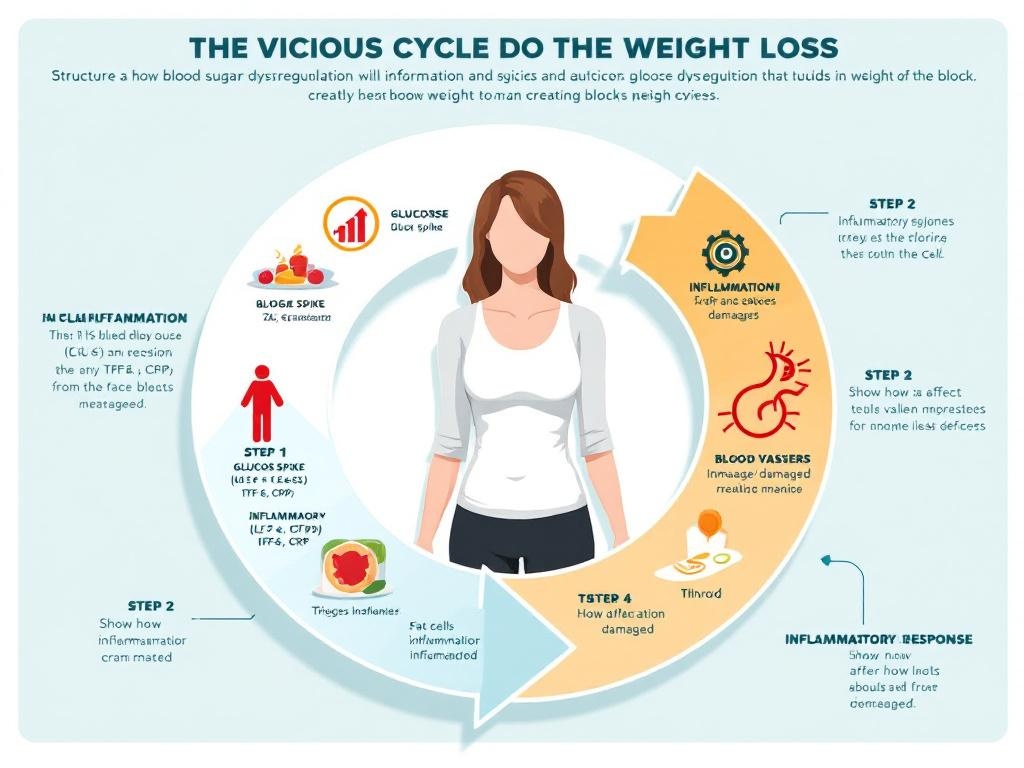
WAY #4: GLUCOSE SPIKES FUEL CHRONIC INFLAMMATION (AND INFLAMMATION BLOCKS FAT LOSS)
The final mechanism is less well-known but equally important: the connection between blood sugar instability and chronic inflammation.
When you eat a high-sugar meal or experience a glucose spike, your blood sugar doesn’t just go up temporarily. The spike itself causes oxidative stress and triggers the release of inflammatory compounds called cytokines.
The Inflammation-Weight Loss Connection
Chronic inflammation disrupts nearly every system involved in weight regulation:
Thyroid function. Inflammation can impair thyroid hormone production and conversion, leading to symptoms of hypothyroidism—fatigue, cold intolerance, weight gain, and difficulty losing weight despite diet and exercise efforts.
Hormone balance. Inflammatory cytokines interfere with sex hormone production and metabolism. In women, this can manifest as worsening PMS, irregular cycles, or menopausal symptoms. In both men and women, it affects testosterone levels—which are crucial for maintaining muscle mass and metabolic rate.
Gut health. Inflammation damages the intestinal lining, leading to increased intestinal permeability (often called “leaky gut”). This triggers even more systemic inflammation and can impair nutrient absorption, including nutrients essential for metabolism like B vitamins, magnesium, and zinc.
Fat cell behavior. Perhaps most directly, inflammation changes how fat cells function. Inflamed fat tissue releases more inflammatory compounds, becomes more resistant to releasing stored fat, and even recruits immune cells that further perpetuate the inflammatory cycle.
The Glycation Factor
There’s another process worth understanding: glycation. When blood sugar is chronically elevated, glucose molecules bind to proteins in your body (including structural proteins in blood vessels, skin, and connective tissue). These glycated proteins are called Advanced Glycation End Products, or AGEs.
AGEs cause inflammation and oxidative damage. They’re particularly problematic in blood vessels, where they contribute to cardiovascular disease. But they also accumulate in fat tissue, making it more difficult for your body to mobilize and burn stored fat.
Breaking the Inflammation Cycle
The relationship between glucose spikes and inflammation creates another vicious cycle:
High blood sugar → Inflammation → Worsened insulin resistance → Higher blood sugar → More inflammation
And the longer this cycle continues, the more entrenched it becomes. Fat cells become inflamed. Muscle tissue becomes inflamed. Even your brain becomes inflamed—which is why people with insulin resistance often experience brain fog, poor concentration, and mood issues.
Inflammation isn’t just about joint pain or digestive issues. It’s a metabolic brake that makes fat loss extraordinarily difficult—regardless of how “clean” your diet is.
Stabilizing blood sugar is one of the most powerful anti-inflammatory interventions you can make. When glucose levels remain steady, inflammatory markers drop, cellular stress decreases, and your body can finally shift out of defense mode and back into fat-burning mode.
UNDERSTANDING THE ROOT CAUSE: IT’S ALL CONNECTED
If these four mechanisms sound interconnected, that’s because they are. Your body is a complex system, not a collection of isolated parts. When one hormonal or metabolic process goes off track, it affects everything else.
Here’s how it all ties together:
Blood sugar spikes → Insulin surges → Leptin resistance + ghrelin spikes → Increased appetite and cravings → Overeating → More blood sugar spikes → Insulin resistance develops → Metabolic slowdown → Chronic inflammation → Further worsening of insulin resistance
Each piece reinforces the others. And this is why traditional “calories in, calories out” approaches often fail for people with insulin resistance. You can’t willpower your way out of a hormonal problem.
The key is addressing the root cause: blood sugar dysregulation. When you stabilize glucose levels, the entire cascade of negative effects begins to reverse. Hormones rebalance. Metabolism improves. Inflammation decreases. And fat loss becomes possible again—without the constant hunger and cravings that make most diets unsustainable.
THE SOLUTION: BLOOD SUGAR CONTROL AS THE MISSING LINK
Now that you understand the mechanisms, let’s talk about solutions. What can you actually do to stabilize blood sugar and break these cycles?
The foundation of blood sugar control comes down to three pillars: nutrition, lifestyle, and targeted support.
Nutrition Strategies
Prioritize protein and fiber. Every meal should include a good source of protein (20-30g) and fiber-rich vegetables. This combination slows glucose absorption and prevents spikes.
Reduce refined carbohydrates. White bread, pasta, sugary drinks, and processed snacks cause the most dramatic blood sugar swings. Replace them with whole food carbohydrates like sweet potatoes, quinoa, and legumes—or reduce carbohydrate intake overall.
Never eat carbs alone. If you do eat carbohydrates, always pair them with protein, fat, or both. This slows digestion and minimizes the glucose spike.
Consider meal timing. Some people benefit from intermittent fasting or eating in a compressed window, which can improve insulin sensitivity. Others do better with smaller, more frequent meals. Experiment to find what keeps your energy stable.
Lifestyle Factors
Sleep. Poor sleep worsens insulin resistance dramatically. Aim for 7-8 hours of quality sleep per night. Even a single night of poor sleep can reduce insulin sensitivity by up to 30%.
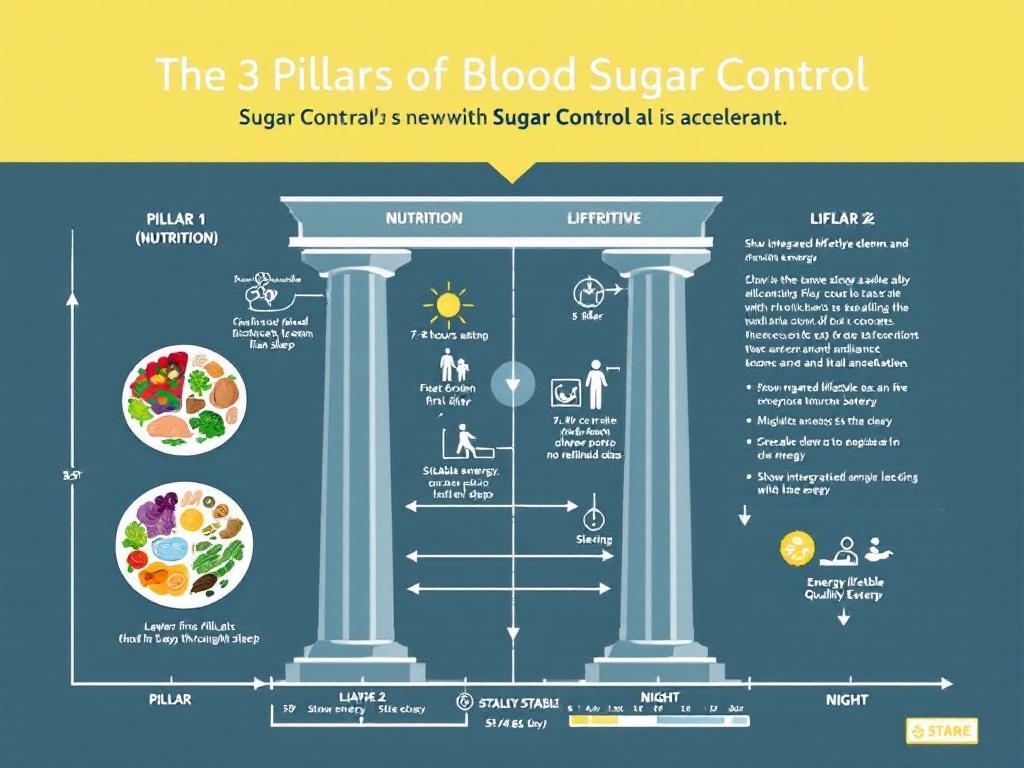
Stress management. Chronic stress elevates cortisol, which raises blood sugar and promotes fat storage. Find stress reduction techniques that work for you—meditation, walking, journaling, or simply setting better boundaries.
Movement. Exercise, especially resistance training and walking after meals, significantly improves insulin sensitivity. You don’t need intense workouts—consistency matters more than intensity.
How Sugar Control Helps: Targeted Support for Blood Sugar Balance
While nutrition and lifestyle form the foundation, many people benefit from targeted nutritional support to accelerate improvements in blood sugar control and make the process significantly easier.
This is where Sugar Control comes in. Sugar Control is specifically formulated to address both sides of the blood sugar problem: stabilizing glucose levels while simultaneously reducing appetite and cravings that make healthy eating so difficult.
Sugar Control combines clinically-studied ingredients that work synergistically to support healthy glucose metabolism:
Berberine – A plant compound extensively researched for its ability to improve insulin sensitivity and support healthy blood sugar levels. Multiple studies suggest it may be as effective as certain diabetes medications for glucose control.
Chromium picolinate – An essential mineral that enhances insulin signaling and helps cells respond properly to insulin. Many people with insulin resistance are deficient in chromium, making supplementation particularly beneficial.
Alpha-lipoic acid – A powerful antioxidant that improves insulin sensitivity and reduces inflammation. It’s particularly effective for people with metabolic syndrome.
Cinnamon extract – Contains bioactive compounds that mimic insulin action and improve glucose uptake by cells.
But Sugar Control goes beyond just blood sugar management. It also includes ingredients specifically designed to control appetite and reduce cravings—addressing the hormonal hunger signals we discussed in Way #1.
This dual-action approach is what makes Sugar Control different from basic glucose supplements. You’re not just stabilizing blood sugar; you’re also making it dramatically easier to stick with healthy eating habits by eliminating the constant battle with cravings and hunger.
With Sugar Control, many users report:
- Fewer energy crashes throughout the day
- Reduced cravings for sweets and carbs
- Better appetite control between meals
- More consistent energy levels
- Easier adherence to healthy eating plans
- Weight loss that finally feels sustainable
The key is that Sugar Control works with your lifestyle changes, not instead of them. It amplifies the benefits of the nutritional and lifestyle strategies we’ve discussed—making them more effective and easier to maintain long-term.
Remember: Sugar Control supports healthy blood sugar balance and appetite control, but works best when combined with proper nutrition, adequate sleep, stress management, and regular movement. Think of it as the tool that makes everything else work better.
FREQUENTLY ASKED QUESTIONS
Q: How do I know if I have insulin resistance?
Common signs include: difficulty losing weight despite eating healthy, intense cravings (especially for sweets), energy crashes after meals, increased belly fat, darkened skin patches (acanthosis nigricans), and feeling hungry soon after eating. A doctor can test your fasting insulin and fasting glucose levels for a definitive answer.
Q: Can you reverse insulin resistance?
Yes. Insulin resistance is largely reversible through dietary changes, weight loss, exercise, and lifestyle modifications. Many people see significant improvements within weeks to months. The earlier you address it, the easier it is to reverse.
Q: How long does it take to see results from stabilizing blood sugar?
Many people notice improved energy and reduced cravings within days to weeks. Weight loss typically becomes more consistent after 4-6 weeks of stable blood sugar. Full metabolic improvements can take 3-6 months.
Q: Do I need to eliminate all carbs?
No. You need to eliminate or reduce refined, processed carbohydrates—but whole food carbs from vegetables, some fruits, and whole grains can be part of a blood sugar-friendly diet, especially when paired with protein and fiber. The key is avoiding large glucose spikes.
Q: Is this the same as diabetes?
Insulin resistance is the stage before prediabetes and type 2 diabetes. It’s a warning sign that your glucose metabolism isn’t working properly. The good news is that addressing it now can prevent progression to diabetes.
Q: Do I really need a supplement to control blood sugar?
While lifestyle changes are the foundation of blood sugar control, many people find that targeted supplementation significantly accelerates results and makes the process much easier. Sugar Control is designed to work synergistically with healthy eating and lifestyle habits—not replace them. Think of it as support that helps you succeed at the fundamentals. The combination of glucose-stabilizing ingredients plus appetite-control compounds addresses both the metabolic and behavioral challenges of blood sugar management, which is why many people find it makes weight loss finally feel sustainable rather than a constant battle.
Q: Are natural supplements like Sugar Control an alternative to GLP-1 medications?
Sugar Control and GLP-1 medications (like Ozempic or Wegovy) work through different mechanisms, and they’re not directly comparable. GLP-1 medications are prescription drugs designed for diabetes or obesity treatment and require medical supervision. Sugar Control is a natural dietary supplement formulated with clinically-studied ingredients that support healthy blood sugar levels and appetite control through nutritional mechanisms—without requiring a prescription. Many people who want to avoid prescription medications or are looking for natural support find that Sugar Control combined with proper nutrition and lifestyle changes provides effective blood sugar management and appetite control. However, if you’re currently taking any medications or have a diagnosed medical condition, always consult your healthcare provider before starting any new supplement regimen.

DISCOVER HOW SUGAR CONTROL HELPS YOU LOSE WEIGHT
If your healthy eating efforts haven’t led to weight loss, blood sugar control is likely the missing link you’ve been searching for.
Thousands of women have discovered that stabilizing their glucose levels—through targeted nutrition, lifestyle changes, and the right support—finally allowed them to lose weight without constant hunger and cravings.
Sugar Control is specifically formulated to:
- Support healthy blood sugar levels throughout the day
- Reduce cravings and eliminate the 3 PM sugar crash
- Control appetite by stabilizing hunger hormones
- Improve insulin sensitivity naturally
- Support metabolic function and energy production
The first step is understanding what your body needs. By addressing blood sugar dysregulation at its root, you can restore normal appetite regulation, rev up your metabolism, and create the hormonal environment necessary for sustainable fat loss.
Sugar Control combines the most clinically-researched ingredients for glucose management with powerful appetite-control compounds—giving you comprehensive support for both blood sugar stability and weight loss.
👉 Discover How Sugar Control Works →
Your struggle with weight loss isn’t about willpower. It’s not about eating less or exercising more. It’s about giving your body the tools it needs to regulate blood sugar properly—so that everything else falls into place.
When glucose is stable, hunger is manageable. Cravings disappear. Energy improves. And fat loss becomes effortless instead of a constant battle.
That’s the power of addressing the root cause. That’s what Sugar Control is designed to help you achieve.
MEDICAL DISCLAIMER
These statements have not been evaluated by the Food and Drug Administration. Sugar Control and any products mentioned are not intended to diagnose, treat, cure, or prevent any disease. The content provided is for educational purposes only and should not be considered medical advice. Always consult your healthcare provider before starting any supplement regimen, changing your diet, or making other health-related decisions—especially if you take medications, have existing health conditions, or are pregnant or nursing. Individual results may vary. What works for one person may not work for another. Blood sugar management should always be supervised by a qualified healthcare professional.
NEXT STEPS: YOUR BLOOD SUGAR ACTION PLAN
Ready to take control of your blood sugar and finally achieve the weight loss results you deserve? Here’s how to get started:
Step 1: Implement the nutrition strategies outlined above—prioritize protein and fiber, reduce refined carbs, and never eat carbs alone.
Step 2: Focus on lifestyle fundamentals—get 7-8 hours of quality sleep, manage stress effectively, and incorporate regular movement (especially walking after meals).
Step 3: Consider targeted support with Sugar Control to accelerate your results and make blood sugar management significantly easier.
Step 4: Track your progress—monitor your energy levels, cravings, and weight loss over 4-6 weeks to see the difference stable blood sugar makes.
Step 5: Stay consistent—blood sugar management isn’t a quick fix, but a sustainable lifestyle approach that gets easier over time as your metabolism heals.
Learn More About Sugar Control and Get Started Today →
When you address blood sugar dysregulation, weight loss stops being a battle and becomes a natural result of balanced hormones and proper metabolism. That’s the difference Sugar Control is designed to make.
References & Further Reading
- Freeman AM, Pennings N. Insulin Resistance. StatPearls Publishing. 2023. Available from: https://www.ncbi.nlm.nih.gov/books/NBK507839/
- Garvey WT, et al. American Association of Clinical Endocrinologists and American College of Endocrinology Comprehensive Clinical Practice Guidelines for Medical Care of Patients with Obesity. Endocr Pract. 2016;22(Suppl 3):1-203.
- Ludwig DS, Ebbeling CB. The Carbohydrate-Insulin Model of Obesity: Beyond “Calories In, Calories Out.” JAMA Intern Med. 2018;178(8):1098-1103.
- Petersen MC, Shulman GI. Mechanisms of Insulin Action and Insulin Resistance. Physiol Rev. 2018;98(4):2133-2223.
- Camacho S, Ruppel A. Is the calorie concept a real solution to the obesity epidemic? Glob Health Action. 2017;10(1):1289650.
- Janssen I, et al. Testosterone and visceral fat in midlife women: the Study of Women’s Health Across the Nation (SWAN) fat patterning study. Obesity. 2010;18(3):604-610.
- Paoli A, et al. The Influence of Meal Frequency and Timing on Health in Humans: The Role of Fasting. Nutrients. 2019;11(4):719.
- Esser N, et al. Inflammation as a link between obesity, metabolic syndrome and type 2 diabetes. Diabetes Res Clin Pract. 2014;105(2):141-150.
- Kolb H, Martin S. Environmental/lifestyle factors in the pathogenesis and prevention of type 2 diabetes. BMC Med. 2017;15(1):131.
- American Diabetes Association. Standards of Medical Care in Diabetes—2023. Diabetes Care. 2023;46(Suppl 1):S1-S291.