
INTRODUCTION
Controlling blood sugar is the key to eliminating cravings and maintaining stable energy throughout the day. We’ve all experienced it — that mid-afternoon slump when your energy crashes, cravings kick in, and you find yourself reaching for the nearest sweet snack. But here’s what most people don’t realize: those cravings aren’t just about willpower. They’re directly linked to your blood sugar levels.

According to the CDC, over 98 million American adults — that’s more than 1 in 3 — have prediabetes, and 80% don’t even know it. Meanwhile, another 37 million Americans are living with type 2 diabetes. The connection between blood sugar imbalances, uncontrollable hunger, and weight gain is more than coincidental — it’s biochemical.
The good news? You don’t need drastic measures or expensive medications to start taking control. Research shows that certain foods, lifestyle habits, and natural compounds can help regulate blood sugar levels, reduce cravings, and support healthy weight management — all without feeling deprived.
Let’s explore the science behind natural appetite control and blood sugar management, and discover how evidence-based approaches — including clinically studied ingredients like Gymnema sylvestre — can help you break free from the blood sugar roller coaster.
MAIN CONTENT
What Is a Natural Appetite Suppressant?
A natural appetite suppressant is any food, beverage, or lifestyle habit that helps you feel satisfied and less hungry by working with your body’s natural hunger and fullness signals — without relying on synthetic ingredients or stimulants.
Unlike pharmaceutical appetite suppressants, natural options often provide additional health benefits, such as improved metabolic health, better blood sugar control, and enhanced gut function. According to research published in the American Journal of Clinical Nutrition, a diet rich in lean proteins, whole grains, and fiber doesn’t just reduce hunger — it creates the foundation for sustainable weight management and improved glycemic control.
Many natural appetite suppressants work by influencing your body’s complex system of hunger hormones, particularly ghrelin (which signals hunger) and leptin (which signals fullness). When blood sugar levels spike and crash throughout the day, these hormones become dysregulated, leading to increased cravings and overeating.
The Blood Sugar Connection
Here’s what many people miss: appetite control and blood sugar management are intimately connected. When you eat high-sugar or refined carbohydrate foods, your blood glucose spikes rapidly, triggering an insulin surge. This causes blood sugar to drop quickly, leaving you hungry, tired, and craving more sugar — creating a vicious cycle.
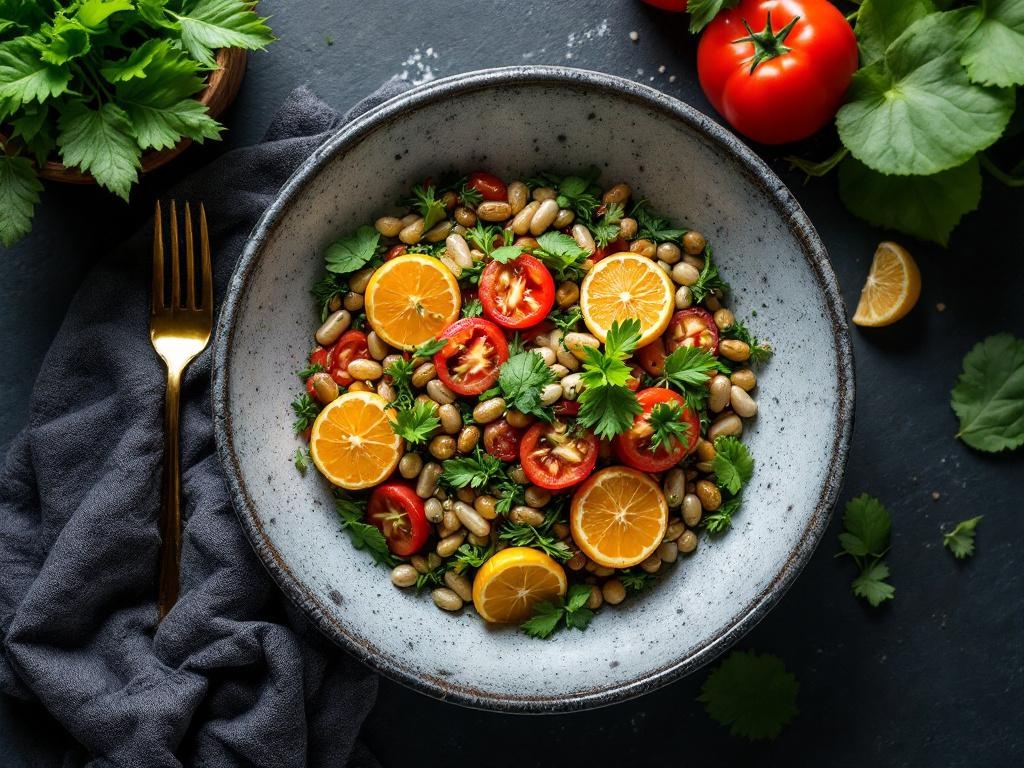
Natural appetite suppressants work by helping to:
- Stabilize blood sugar levels throughout the day
- Slow the digestion and absorption of carbohydrates
- Enhance insulin sensitivity
- Reduce post-meal glucose spikes
- Support healthy hunger hormone regulation
This is where the science behind ingredients like Gymnema sylvestre becomes particularly interesting. Used in traditional Ayurvedic medicine for centuries and now backed by modern clinical research, Gymnema has earned the nickname “sugar destroyer” for its unique ability to support healthy blood sugar levels and reduce sugar cravings.
10 Natural Appetite Suppressants Backed by Science
The beauty of natural appetite control is that it doesn’t require drastic dietary restrictions or synthetic solutions. Instead, it works in harmony with your metabolism by incorporating evidence-based foods and habits that help reduce cravings while supporting blood sugar balance.
By focusing on nutrient-dense foods that naturally curb appetite, you’ll find it easier to maintain healthy eating patterns without constant hunger or deprivation.
Here’s a closer look at 10 natural appetite suppressants supported by scientific research:
1. High-Protein Foods
If you’re wondering how to suppress appetite naturally while supporting stable blood sugar, start with lean proteins. Foods like chicken breast, eggs, wild-caught fish, Greek yogurt, and plant-based options like tofu aren’t just excellent for maintaining muscle mass — they’re also highly effective at keeping hunger at bay.
Protein takes significantly longer to digest than carbohydrates, which helps slow digestion and promotes sustained fullness. A study published in the American Journal of Clinical Nutrition found that high-protein diets can reduce levels of ghrelin, the primary hunger hormone, by up to 28%.
Additionally, protein has a minimal impact on blood glucose levels compared to carbohydrates, making it an essential component of blood sugar management. The thermic effect of protein — the energy required to digest it — is also higher than that of fats or carbs, meaning you burn more calories simply by eating it.
Practical tip: Aim for 25-30 grams of protein at each meal. Start your day with a protein-rich breakfast like eggs with vegetables or Greek yogurt with nuts to stabilize blood sugar from the start and reduce cravings throughout the day.
2. High-Fiber Foods
If protein is the star of appetite control, fiber is the unsung hero of blood sugar management. Foods like steel-cut oats, lentils, black beans, chia seeds, and vegetables are rich in dietary fiber, which absorbs water in the digestive tract and creates a gel-like substance that slows digestion.
Research published in The Journal of Nutrition demonstrates that fiber-rich foods not only promote feelings of fullness but also improve insulin sensitivity and reduce post-meal blood glucose spikes — a critical factor for the 98 million Americans with prediabetes.
Soluble fiber, in particular, has been shown to slow the absorption of sugar into the bloodstream, preventing the rapid blood glucose spikes that trigger cravings and energy crashes. The American Diabetes Association recommends at least 25-35 grams of fiber daily for optimal blood sugar control.
Practical tip: Add a tablespoon of ground flaxseed or chia seeds to your morning smoothie, or swap white rice for quinoa or cauliflower rice to dramatically increase your fiber intake without adding excessive carbohydrates.
3. Probiotics
Your gut microbiome plays a surprisingly significant role in both appetite regulation and blood sugar control. Probiotics — the beneficial bacteria found in fermented foods like yogurt, kefir, sauerkraut, and kimchi — don’t just support digestive health; they may also help regulate hunger hormones.
A study published in the British Journal of Nutrition found that certain probiotic strains can influence leptin levels, the hormone that signals fullness to your brain. Additionally, emerging research suggests that gut bacteria composition affects insulin sensitivity and glucose metabolism.
The gut-brain axis — the communication network between your digestive system and brain — relies heavily on a balanced microbiome. When this balance is disrupted, it can lead to increased cravings, poor blood sugar control, and difficulty maintaining a healthy weight.
Practical tip: Include one serving of probiotic-rich foods daily, or consider a high-quality probiotic supplement containing at least 10 billion CFUs of diverse bacterial strains. Look for products that are refrigerated and have been third-party tested for potency.

4. Water
Sometimes what feels like hunger is actually dehydration in disguise. Research published in Obesity journal found that drinking 16 ounces of water before meals can reduce food intake by up to 13% and support weight loss efforts.
Water temporarily fills your stomach and sends satiety signals to your brain, giving your body time to determine if you’re truly hungry. Additionally, even mild dehydration can impair glucose metabolism and insulin sensitivity, according to studies from the NIH.
Proper hydration is essential for optimal metabolic function, including the transport of glucose to cells and the removal of waste products. Many Americans walk around in a state of chronic mild dehydration, which can exacerbate blood sugar imbalances and increase perceived hunger.
Practical tip: Drink a full glass of water 20-30 minutes before each meal. If plain water feels boring, add fresh lemon, cucumber slices, or a splash of apple cider vinegar (which research suggests may also help improve insulin sensitivity).
5. Coffee
Your morning coffee ritual might do more than just wake you up — it could also help manage appetite and support metabolic health. Coffee contains caffeine and chlorogenic acids, both of which have been shown to influence hunger hormones and glucose metabolism.
A study published in the Journal of the Academy of Nutrition and Dietetics found that moderate caffeine intake (about 200-300mg, or 2-3 cups of coffee) may help suppress appetite by stimulating the release of peptide YY, a hormone that promotes feelings of fullness. Additionally, research suggests that coffee consumption is associated with improved insulin sensitivity and a reduced risk of type 2 diabetes.
The chlorogenic acids in coffee may slow the absorption of carbohydrates in the digestive tract, helping to moderate post-meal blood sugar spikes.
Practical tip: Stick to black coffee or add a small amount of unsweetened almond milk. Avoid sugar, flavored syrups, and high-calorie creamers, which can spike blood glucose and negate coffee’s appetite-suppressing benefits. If you’re sensitive to caffeine, try half-caff or limit consumption to morning hours.
6. Ginger
Ginger isn’t just a remedy for nausea — it’s also a powerful ally for blood sugar management and appetite control. This ancient root has been used medicinally for thousands of years, and modern science is now confirming its metabolic benefits.
Research published in Planta Medica suggests that ginger can help reduce fasting blood glucose levels and improve insulin sensitivity. A study in the European Journal of Pharmacology found that ginger consumption increased feelings of fullness and reduced hunger, potentially by influencing the production of hunger hormones like ghrelin.
Ginger’s active compounds, including gingerols and shogaols, have anti-inflammatory properties that may help combat the chronic low-grade inflammation associated with insulin resistance and metabolic syndrome.
Practical tip: Add fresh grated ginger to smoothies, stir-fries, or herbal teas. For a powerful blood sugar-supporting beverage, try ginger tea with cinnamon (another blood sugar-friendly spice) 30 minutes before meals.
7. Dark Chocolate
Here’s a treat worth savoring: high-quality dark chocolate (70% cacao or higher) can actually support appetite control and blood sugar management when consumed in moderation.
Unlike milk chocolate, which is loaded with sugar, dark chocolate contains beneficial compounds called flavanols that have been shown to improve insulin sensitivity. A study published in the American Journal of Clinical Nutrition found that dark chocolate consumption was associated with reduced insulin resistance.
The bitter taste of high-cacao dark chocolate also naturally slows consumption, giving your body time to register fullness. Additionally, dark chocolate contains fiber and healthy fats that help stabilize blood sugar.
Practical tip: Limit yourself to 1-2 squares (about 1 ounce) of dark chocolate with at least 70% cacao content. Enjoy it mindfully after a balanced meal rather than on an empty stomach to minimize blood sugar impact. Pair it with a handful of almonds for added protein and fiber.
8. Green Tea
Green tea has been celebrated in Asian cultures for centuries, and Western science is now catching up to its impressive metabolic benefits. This antioxidant-rich beverage contains two key compounds that support both appetite control and blood sugar management: catechins (particularly EGCG) and a modest amount of caffeine.
Research published in The American Journal of Clinical Nutrition found that green tea extract can increase fat oxidation and improve insulin sensitivity. The catechins in green tea have been shown to help regulate blood glucose levels by enhancing insulin activity and reducing glucose production in the liver.
A meta-analysis published in the Diabetes & Metabolism Journal concluded that regular green tea consumption is associated with reduced fasting glucose and HbA1c levels — key markers of long-term blood sugar control.
Practical tip: Aim for 2-3 cups of green tea daily, preferably between meals. For maximum catechin extraction, steep green tea for 3-5 minutes in water that’s around 160-180°F (71-82°C) — not boiling. If the taste is too bitter, try adding a squeeze of lemon, which may also enhance catechin absorption.
9. Fenugreek
Fenugreek seeds, a staple in Indian and Middle Eastern cuisine, are emerging as a powerful natural supplement for blood sugar management. This fiber-rich herb has been used in traditional medicine for centuries, and modern research is validating its metabolic benefits.
A study published in the International Journal of Food Sciences and Nutrition found that fenugreek supplementation significantly improved fasting blood glucose and post-meal glucose levels in people with prediabetes. The soluble fiber in fenugreek slows carbohydrate digestion and absorption, helping to prevent blood sugar spikes.
Additionally, fenugreek contains an amino acid called 4-hydroxyisoleucine, which research suggests may enhance insulin secretion in response to glucose. This makes it particularly valuable for supporting healthy blood sugar balance after meals.
Practical tip: Fenugreek can be consumed as a spice in cooking, brewed as a tea, or taken as a standardized supplement (typically 500-1000mg before meals). Look for supplements that have been third-party tested for purity and potency.
10. Yerba Mate
Yerba mate, a traditional South American herbal tea, is gaining recognition in the U.S. as a natural metabolism booster and appetite suppressant. This caffeinated beverage contains a unique combination of compounds including caffeine, theobromine, and chlorogenic acids.
Research published in Obesity journal found that yerba mate consumption reduced appetite while increasing energy expenditure — a double benefit for weight management. A study in the Journal of Human Nutrition and Dietetics demonstrated that yerba mate helped improve insulin sensitivity and reduce fasting glucose levels.
The caffeine content provides a natural energy boost that can support physical activity, while the chlorogenic acids may help slow glucose absorption in the digestive tract.
Practical tip: Brew yerba mate as a mid-morning or afternoon beverage to help control between-meal cravings. Start with one cup daily to assess your tolerance to its caffeine content (typically 85mg per cup). Avoid adding sugar or sweeteners to maximize blood sugar benefits.
The Gymnema Sylvestre Advantage: Nature’s “Sugar Destroyer”
While the foods and beverages above provide excellent support for appetite control and blood sugar management, one botanical ingredient stands out for its unique and powerful effects: Gymnema sylvestre.
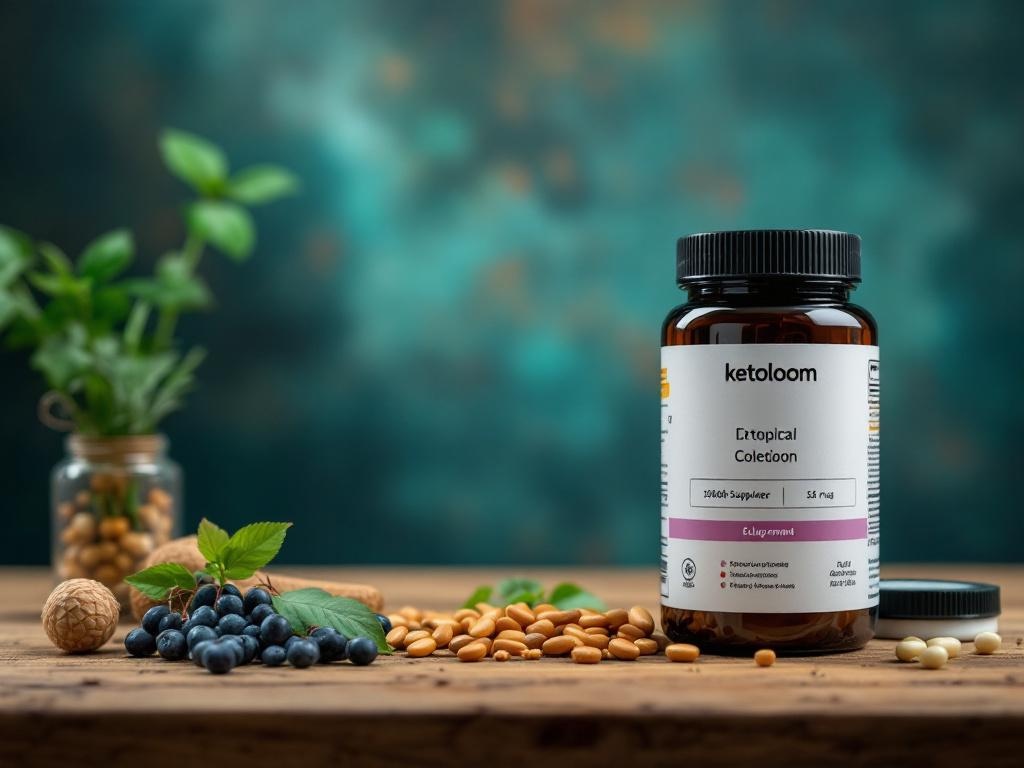
Used in Ayurvedic medicine for over 2,000 years, Gymnema has earned the Hindi name “Gurmar,” which literally translates to “sugar destroyer.” Modern clinical research is now revealing why this plant has such a remarkable reputation.
How Gymnema Sylvestre Works
Gymnema sylvestre contains active compounds called gymnemic acids, which have a unique molecular structure similar to glucose. These compounds work through multiple mechanisms:
- Blocks Sugar Receptors: Gymnemic acids can temporarily block sweet taste receptors on your tongue, reducing the appeal of sugary foods and helping to curb sugar cravings at their source.
- Supports Healthy Insulin Function: Research published in the Journal of Clinical Biochemistry and Nutrition found that Gymnema supplementation may help support healthy insulin production and improve insulin sensitivity.
- Reduces Glucose Absorption: Studies suggest that gymnemic acids may help reduce the absorption of sugar in the intestines, leading to lower post-meal blood glucose spikes.
- Supports Pancreatic Health: Research indicates that Gymnema may help support the regeneration of insulin-producing beta cells in the pancreas, though further human research is ongoing in this area.
The Clinical Evidence
Multiple clinical trials have demonstrated Gymnema’s effectiveness for blood sugar management:
- A study published in Diabetes Research and Clinical Practice found that Gymnema supplementation significantly reduced fasting blood glucose and HbA1c levels in people with type 2 diabetes.
- Research in the Journal of Ethnopharmacology showed that Gymnema extract helped reduce post-meal glucose spikes by up to 20% when taken before carbohydrate-rich meals.
- A clinical trial published in Physiology & Behavior demonstrated that Gymnema supplementation reduced sugar cravings and decreased overall calorie intake from sweet foods.
Why GS4 PLUS Matters
Not all Gymnema supplements are created equal. The potency and effectiveness of Gymnema depend heavily on the concentration of gymnemic acids — the active compounds responsible for its blood sugar benefits.
This is where GS4 PLUS, the proprietary Gymnema sylvestre extract in NuviaLab Sugar Control, stands apart. Unlike standard Gymnema extracts that may contain only 5-10% gymnemic acids, GS4 PLUS is standardized to contain 25% gymnemic acids — one of the highest concentrations available.
This high standardization means:
- Greater potency per dose: More active compounds in each capsule
- More consistent results: Standardized extracts ensure reliable gymnemic acid content
- Better bioavailability: Optimized extraction methods enhance absorption
- Clinical-strength formulation: Concentrations used in successful research studies
Does Exercise Work as a Natural Appetite Suppressant?
You might assume that a vigorous workout would leave you ravenous, but research tells a more nuanced story. Physical activity can actually function as a natural appetite suppressant, particularly in the hours immediately following exercise.
A study published in the American Journal of Physiology found that moderate to intense exercise temporarily suppresses ghrelin (the hunger hormone) while increasing peptide YY and GLP-1 (hormones that promote fullness). This effect can last for several hours post-workout.
The Blood Sugar Connection
Exercise is one of the most powerful tools for improving blood sugar control. Here’s why:
- Increased Insulin Sensitivity: Physical activity makes your cells more responsive to insulin, meaning they can take up glucose more efficiently with less insulin required.
- Glucose Utilization: Your muscles use glucose for energy during and after exercise, naturally lowering blood sugar levels without medication.
- Long-Term Benefits: Regular exercise helps reduce visceral fat (the dangerous fat around organs), which is strongly linked to insulin resistance.
According to the American Diabetes Association, just 150 minutes of moderate-intensity exercise per week can significantly improve glycemic control and reduce the risk of developing type 2 diabetes by up to 58% in people with prediabetes.
Building Muscle for Metabolic Health
Resistance training deserves special mention. Building muscle mass through strength training increases your metabolic rate and improves your body’s ability to store and utilize glucose. Muscle tissue is metabolically active and acts as a “glucose sink,” helping to regulate blood sugar levels even at rest.
A study in Diabetes Care found that resistance training twice weekly improved insulin sensitivity and glycemic control in adults with type 2 diabetes, independent of weight loss.
The Realistic Approach
However, let’s be honest: exercise alone isn’t a magic bullet for blood sugar control or weight management. The CDC reports that only 23% of American adults meet the recommended physical activity guidelines, and for those struggling with blood sugar issues, starting an exercise program can feel overwhelming.
This is why a comprehensive approach matters. Combining regular physical activity with strategic nutrition, natural appetite suppressants, and evidence-based supplements like Gymnema sylvestre creates a synergistic effect that’s more powerful than any single intervention alone.
Practical tip: Start with just 10 minutes of activity after meals. A post-meal walk has been shown to significantly reduce blood glucose spikes.
DISCLAIMER
These statements have not been evaluated by the FDA. This product is not intended to diagnose, treat, cure, or prevent any disease.
This article is for educational purposes only and should not be considered medical advice. The information provided is based on scientific research and general health principles, but individual results may vary.
Before starting any new supplement regimen, dietary changes, or exercise program, please consult with a qualified healthcare provider or medical professional, especially if you:
- Are currently taking prescription medications
- Have existing health conditions (diabetes, prediabetes, heart disease, etc.)
- Are pregnant or breastfeeding
- Have allergies or sensitivities to any ingredients
- Are scheduled for surgery
Your healthcare provider can assess your individual needs and ensure that any supplements or lifestyle changes are appropriate for your specific health situation and won’t interact with your current medications.
Regarding NuviaLab Sugar Control: This product contains Gymnema sylvestre (GS4 PLUS extract). While research supports the safety and efficacy of Gymnema for blood sugar management, individual responses may vary. Always follow the recommended dosage on the product label and discontinue use if you experience any adverse effects.
⚠️ Important Safety Information
Medical Disclaimer: This content is educational and is NOT medical advice. Before
taking ANY supplements discussed in this article, you MUST consult with a qualified
healthcare provider—especially if you take medications, have diabetes, kidney disease,
heart conditions, are pregnant/breastfeeding, or have a history of eating disorders.
This is not medical advice. Results vary by individual. See our full
Medical Disclaimer.
Affiliate Disclosure: This article contains affiliate links to supplement retailers.
We earn commissions from qualifying purchases at no additional cost to you.