
Eighty-eight million Americans have prediabetes—and most don’t know it yet. Your doctor warned you about blood sugar creeping up. You’ve seen the statistics. You know what happens when prediabetes becomes diabetes: medication dependency, lifestyle restrictions, and potential complications that nobody wants to face.
But before you accept a lifetime on pharmaceutical interventions—and their notorious side effects—consider this: Five natural ingredients have entered the clinical research spotlight with remarkable results for natural blood sugar control. These aren’t trendy superfoods or ancient secrets rediscovered by wellness influencers. These are compounds with peer-reviewed evidence, published studies, and mechanisms of action that scientists actually understand.
The difference between these ingredients and pharmaceutical options? They work with your body’s natural systems rather than forcing artificial changes. Clinical research from institutions including the National Institutes of Health, major universities, and international medical journals has documented their efficacy for natural blood sugar control. The evidence isn’t anecdotal—it’s measurable, reproducible, and increasingly difficult for the medical community to ignore.
If you’ve been experiencing symptoms of high blood sugar like unexplained fatigue, frequent urination, or persistent thirst, understanding these natural alternatives could change your approach to managing your health. Let’s explore what the science actually shows about ingredients that support healthy blood sugar balance—without the pharmaceutical side effects.
Natural vs. Pharmaceutical Approaches: What the Research Shows
Before diving into the five ingredients, understanding how natural blood sugar support differs from pharmaceutical intervention helps contextualize the research:
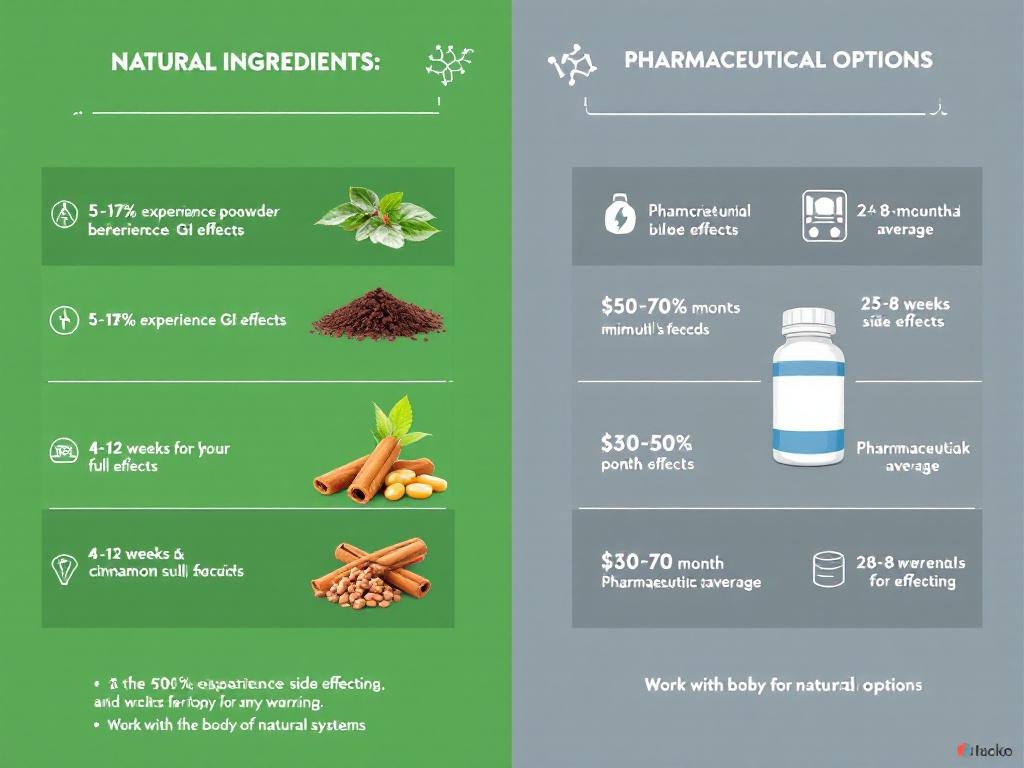
| Aspect | Natural Ingredients | Pharmaceutical Options |
|---|---|---|
| Mechanisms | Multiple pathways simultaneously | Typically single-pathway targeting |
| Side Effects | Minimal (5-15% experience GI effects) | Common (25-50% experience side effects) |
| Timeline | 4-12 weeks for full effects | 2-8 weeks for effects |
| Cost | $30-70/month average | $100-300/month average (US) |
| Long-term Safety | Extensive traditional use + modern studies | Well-studied but significant side effect profiles |
| Dependency | Can be discontinued with lifestyle changes | Often requires continuous use |
| Research Quality | Growing body of RCTs and meta-analyses | Extensive pharmaceutical-grade trials |
Key Insight: Natural blood sugar ingredients aren’t necessarily “weaker” than pharmaceuticals—they work through different, often complementary mechanisms. Clinical research shows that ingredients like berberine can produce effects comparable to metformin in specific populations.
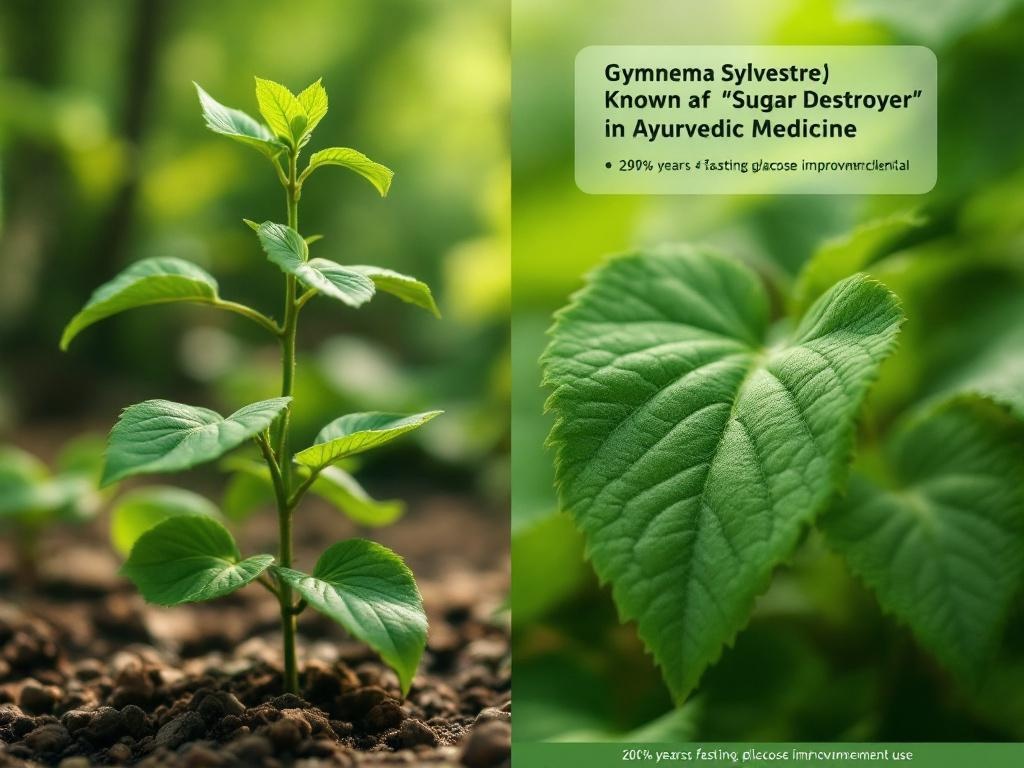
1. Gymnema Sylvestre for Blood Sugar: Meet “Gurmar,” The Hindi Name That Means “Sugar Destroyer”
The most fascinating ingredient in natural blood sugar research doesn’t even sound like it belongs in a supplement bottle. Gymnema sylvestre—or “Gurmar” in Hindi, literally translating to “destroyer of sugar”—earned its dramatic name through 2,000 years of traditional use in Ayurvedic medicine. But unlike many traditional remedies that never graduate from folk wisdom to clinical validation, Gymnema has attracted serious scientific attention over the past two decades.
What Makes Gymnema Sylvestre Unique for Natural Blood Sugar Control
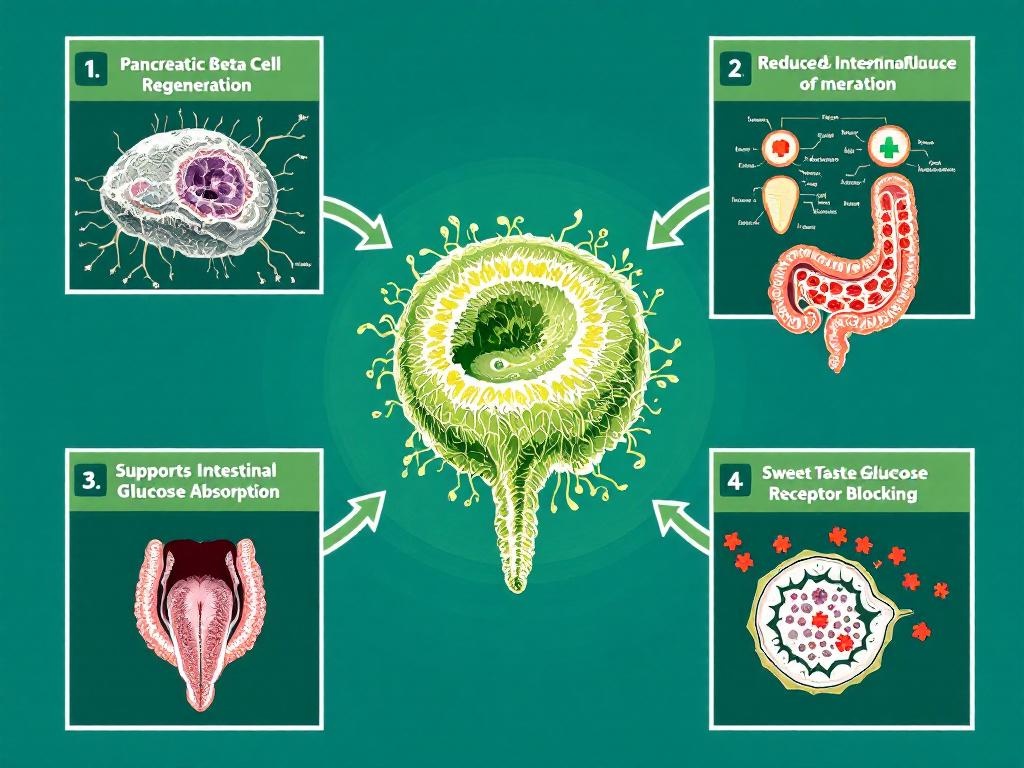
Gymnema contains compounds called gymnemic acids that do something remarkable: they temporarily suppress your ability to taste sweetness. Chew a Gymnema leaf, and sugar tastes like sand. But the real therapeutic action happens at the cellular level, where these same compounds appear to support pancreatic beta cell function—the cells responsible for producing insulin.
📊 CLINICAL EVIDENCE: A randomized controlled trial published in the Journal of Clinical Biochemistry and Nutrition (2010) involving 65 participants showed that Gymnema sylvestre extract at 400mg daily improved fasting blood glucose levels by an average of 29% over 18 months. Participants also reported a significant reduction in sugar cravings, which researchers attributed to the compound’s effect on sweet taste perception.
The Science Behind “Sugar Destroyer”
Unlike pharmaceutical sulfonylureas that force your pancreas to produce more insulin whether it needs to or not, Gymnema appears to work more intelligently. Research suggests it may:
- Support regeneration of pancreatic beta cells that have been damaged by chronic glucose elevation
- Reduce glucose absorption in the intestines by interfering with receptor sites
- Decrease sugar cravings by blocking sweet taste receptors on the tongue
- Improve insulin secretion in response to glucose, rather than constant forced production
A 2013 study in Phytomedicine examined the molecular mechanisms and found that gymnemic acids modulate multiple pathways involved in glucose homeostasis, including improved glucose uptake in peripheral tissues. The research indicated that Gymnema doesn’t just mask symptoms—it addresses multiple aspects of glucose dysregulation.
Real-World Application and Safety Profile
Clinical studies typically use dosages between 400-500mg taken three times daily. Results become noticeable within 4-6 weeks, with maximum benefits observed after 12+ weeks of consistent use. The safety profile is remarkably clean: studies report minimal side effects, with occasional mild gastrointestinal discomfort in less than 5% of users.
What makes Gymnema particularly valuable in formulated supplements is its complementary action with other blood sugar support ingredients. Rather than competing for the same metabolic pathways, Gymnema works through unique mechanisms that enhance the effects of compounds like berberine and cinnamon.
Learn more: How to control blood sugar naturally with proven strategies
2. Berberine for Blood Sugar Control: The Research-Backed Natural Compound Healthcare Practitioners Actually Recommend
If there’s one natural ingredient that makes pharmaceutical researchers nervous, it’s berberine. This bright yellow alkaloid compound, extracted from various plants including Berberis species and Coptis chinensis, has accumulated a body of clinical evidence that rivals many prescription medications. In fact, over 30 human clinical trials have examined berberine’s effects on glucose metabolism—an unusually high number for a natural supplement ingredient.
Why Berberine Gets Compared to Metformin for Natural Blood Sugar Support
Walk into any informed healthcare practitioner’s office and mention berberine, and you’ll likely hear the comparison to metformin—the most commonly prescribed medication for type 2 diabetes. While we can’t claim berberine “replaces” medication (and you should never stop prescribed medication without medical supervision), the research does show remarkable similarities in mechanism and outcomes.
📊 CLINICAL EVIDENCE: A meta-analysis published in Evidence-Based Complementary and Alternative Medicine (2015) reviewed 14 randomized controlled trials and found that berberine supplementation resulted in significant reductions in fasting blood glucose (mean decrease of 20-25 mg/dL) and HbA1c levels (reduction of 0.5-1.0 percentage points). These results appeared within 8-12 weeks of supplementation at dosages of 500mg taken 2-3 times daily with meals.
Multiple Mechanisms of Action
What sets berberine apart is its multi-targeted approach. Research has identified at least five distinct mechanisms through which berberine influences glucose metabolism:
- AMPK Activation: Berberine activates AMP-activated protein kinase (AMPK), often called the “metabolic master switch” that regulates energy production at the cellular level. This is the same pathway metformin targets.
- Improved Insulin Sensitivity: Studies show berberine enhances insulin receptor signaling, helping cells respond more effectively to insulin’s glucose-lowering effects.
- Reduced Glucose Production: Berberine appears to decrease hepatic gluconeogenesis—the liver’s production of new glucose from non-carbohydrate sources.
- Gut Microbiome Modulation: Emerging research suggests berberine positively influences gut bacteria composition, which plays an increasingly recognized role in metabolic health.
- Enhanced Glucose Uptake: Berberine may improve glucose transporter (GLUT4) expression in muscle and fat cells, facilitating better glucose utilization.
A 2021 study in Frontiers in Pharmacology examined these mechanisms in detail and concluded that berberine’s multi-target approach may offer advantages over single-pathway pharmaceutical interventions, particularly for individuals with metabolic syndrome.
Clinical Results and Honest Expectations
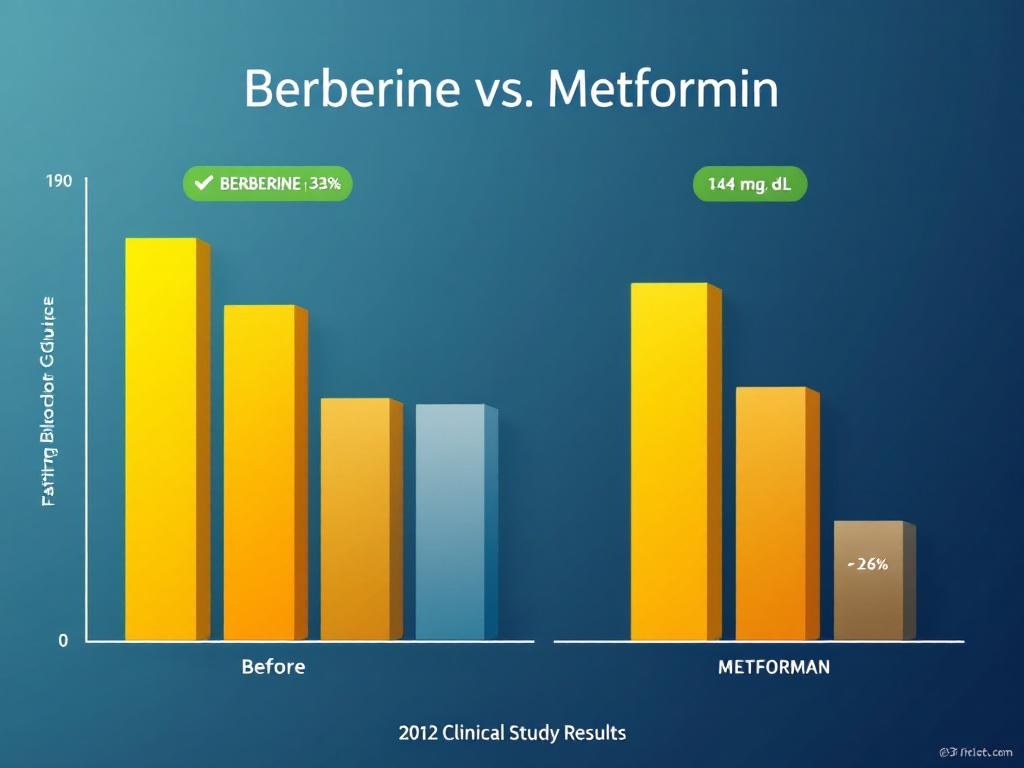
The clinical track record for berberine is impressive but requires realistic context. A 2012 study published in Metabolism: Clinical and Experimental compared berberine (500mg three times daily) to metformin (500mg three times daily) in 116 patients with newly diagnosed type 2 diabetes. After three months:
- Berberine group: Fasting blood glucose decreased from 191 mg/dL to 124 mg/dL
- Metformin group: Fasting blood glucose decreased from 190 mg/dL to 141 mg/dL
- Both groups showed similar improvements in HbA1c, insulin sensitivity, and lipid profiles
The honest disclosure: Berberine commonly causes gastrointestinal effects (cramping, diarrhea, constipation) in the first 2-4 weeks of use, though these typically resolve with continued supplementation. Starting with lower doses and gradually increasing can minimize these effects.
Why Berberine Works Best in Combination for Natural Blood Sugar Control
Berberine’s impressive research portfolio makes it a cornerstone ingredient in quality blood sugar support formulas. Its complementary mechanisms mean it works synergistically with ingredients that target different aspects of glucose regulation—which is exactly why sophisticated formulations combine it with Gymnema, cinnamon, and other researched compounds.
3. Cinnamon for Glucose Control: From Kitchen Spice Cabinet to Clinical Research Star
The most accessible ingredient on this list sits in your kitchen right now. But not all cinnamon is created equal, and the distinction matters more than you might think. Clinical research on cinnamon and blood sugar has revealed both promising benefits and important nuances that separate effective supplementation from kitchen-spice wishful thinking.
Ceylon vs. Cassia: The Type That Actually Matters for Natural Blood Sugar Support
Two main varieties dominate the market:
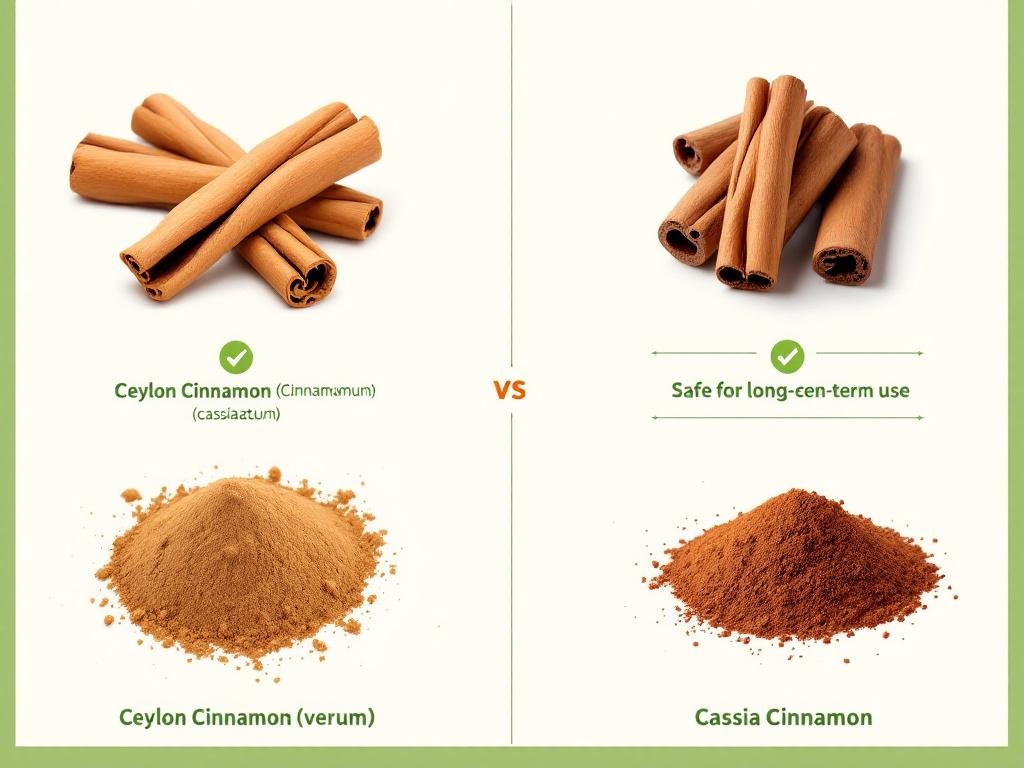
- Ceylon cinnamon (Cinnamomum verum): The “true” cinnamon, lighter in color, with a delicate, slightly sweet flavor. Contains very low levels of coumarin, a natural compound that can be problematic in high doses.
- Cassia cinnamon (Cinnamomum cassia): The more common, cheaper variety found in most grocery stores. Darker, stronger flavor, but contains significantly higher coumarin levels (up to 250 times more than Ceylon).
For supplementation purposes, Ceylon cinnamon is the clear choice. The coumarin content in Cassia becomes concerning at the doses (1-2 grams daily) used in clinical studies for glucose management. Reputable supplement manufacturers exclusively use Ceylon cinnamon to avoid potential liver concerns associated with long-term high-coumarin exposure.
How Cinnamon Influences Glucose Metabolism
Multiple bioactive compounds in cinnamon—particularly polyphenols and cinnamaldehyde—appear to influence glucose metabolism through several pathways:
Enhanced Insulin Signaling: Research published in Diabetes Care (2003) showed that cinnamon increases insulin receptor activity in cultured cells. A water-soluble extract of cinnamon increased glucose metabolism roughly 20-fold in test tube studies, suggesting improved cellular insulin sensitivity.
Slowed Gastric Emptying: Cinnamon may slow the rate at which your stomach empties food into the small intestine, resulting in more gradual glucose absorption and reduced post-meal blood sugar spikes. A 2007 study in the American Journal of Clinical Nutrition found that adding cinnamon to rice pudding reduced postprandial (after-meal) glucose response by 29%.
Antioxidant Properties: Cinnamon ranks among the most antioxidant-rich foods tested, with potential protective effects against oxidative stress that accompanies chronic glucose elevation.
The Clinical Evidence: Promising but Mixed
The research on cinnamon presents a more complex picture than Gymnema or berberine. A 2012 meta-analysis in the Journal of Medicinal Food reviewed 10 randomized controlled trials and found that cinnamon supplementation (ranging from 120mg to 6 grams daily) produced statistically significant reductions in fasting blood glucose (mean decrease of 24.59 mg/dL). However, the effects varied considerably between studies, suggesting that individual response, cinnamon type, dosage, and duration all play important roles.
📊 KEY FINDING: More recent research has focused on understanding why some people respond dramatically while others show minimal effects. A 2020 study suggested that cinnamon’s benefits may be most pronounced in individuals with higher baseline blood glucose levels (above 140 mg/dL fasting) and may require at least 12 weeks of consistent supplementation to manifest fully.
Cinnamon’s Synergistic Role in Natural Blood Sugar Control
What makes cinnamon particularly valuable in multi-ingredient formulations is its complementary timing of action. While ingredients like berberine work primarily on baseline glucose production and insulin sensitivity, cinnamon’s effects on gastric emptying and post-meal glucose spikes address a different aspect of the glucose regulation challenge.
Think of it this way: Berberine helps your cells become more responsive to insulin throughout the day. Cinnamon helps moderate the glucose spikes that happen after meals. Together, they address both baseline and reactive glucose control—a more comprehensive approach than either ingredient alone for natural blood sugar control.
4. Fenugreek for Blood Sugar Management: The Research-Supported Ingredient Most Brands Overlook
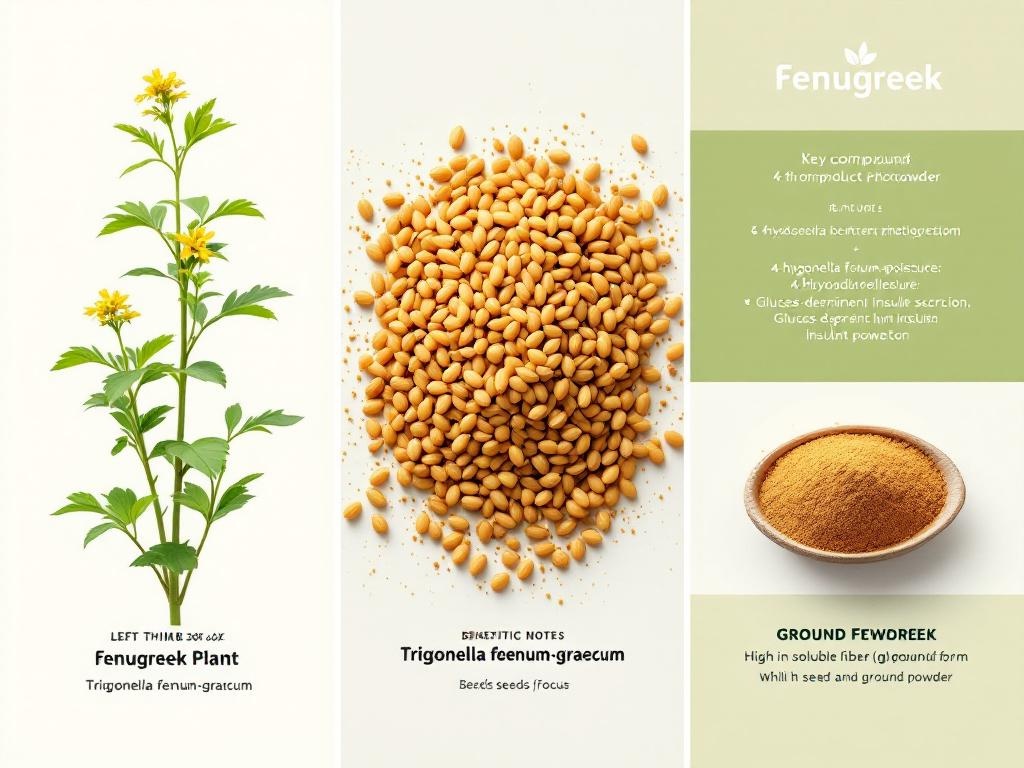
While Gymnema grabs headlines and berberine dominates research discussions, fenugreek (Trigonella foenum-graecum) quietly accumulates its own impressive evidence base. This ancient legume—used for millennia in Indian and Middle Eastern cuisine and medicine—contains unique compounds that complement the mechanisms of more widely publicized blood sugar support ingredients.
What Makes Fenugreek Different for Natural Blood Sugar Support
Fenugreek seeds contain an unusual profile of bioactive compounds:
- 4-hydroxyisoleucine: An amino acid analog that appears to stimulate insulin secretion only in the presence of elevated glucose levels (glucose-dependent insulin secretion)
- Soluble fiber: High galactomannan content that slows glucose absorption
- Trigonelline: An alkaloid compound with potential glucose-lowering properties
- Diosgenin: A saponin that may influence insulin signaling pathways
The glucose-dependent insulin secretion is particularly noteworthy. Unlike medications that force insulin production regardless of glucose levels (potentially causing hypoglycemia), fenugreek’s 4-hydroxyisoleucine appears to work only when blood sugar is elevated—a more physiologically intelligent approach.
The Clinical Research on Fenugreek
📊 CLINICAL EVIDENCE: A 2009 study published in the International Journal for Vitamin and Nutrition Research examined fenugreek seed powder supplementation (10 grams daily) in individuals with type 2 diabetes. After six months, participants showed:
- Fasting blood glucose reduction from 151 mg/dL to 112 mg/dL (25.8% decrease)
- Post-meal glucose improvement from 233 mg/dL to 172 mg/dL (26.2% decrease)
- Significant improvements in HbA1c levels
- Modest improvements in triglyceride and LDL cholesterol levels
A more recent 2020 meta-analysis in Nutrition Journal reviewed 12 controlled trials and confirmed fenugreek’s glucose-lowering effects, with particularly strong results when supplementation continued for at least 8-12 weeks at dosages of 5-10 grams of seed powder daily or equivalent extract concentrations.
Why Most Supplement Companies Miss This Ingredient
Fenugreek doesn’t have the name recognition of cinnamon or the pharmaceutical comparison appeal of berberine. It requires higher dosages than some other ingredients to achieve clinically relevant effects. The seeds have a distinctive maple syrup-like aroma (due to sotolone content) that can be challenging to formulate in pleasant-tasting supplements.
But for formulators prioritizing evidence over marketing ease, fenugreek represents a valuable addition. Its unique mechanisms—particularly the glucose-dependent insulin secretion and substantial fiber content—fill gaps that other ingredients don’t address as effectively.
The Safety and Tolerability Profile
Fenugreek has a long history of culinary use and is classified as Generally Recognized as Safe (GRAS) by the FDA. Common effects include:
- Maple syrup body odor: Harmless but noticeable in some users at higher doses
- Gastrointestinal effects: Mild gas or bloating initially, typically resolving within 2-3 weeks
- Potential medication interactions: May enhance the effects of blood sugar medications (requiring dosage adjustments under medical supervision)
The safety profile is well-established through both traditional use and modern clinical studies. Most adverse effects are mild and transient, with serious adverse events essentially unreported in the clinical literature.
5. Why These Ingredients Work Better Together: The Synergy Science for Natural Blood Sugar Control
You might be wondering: Why not just take the “best” ingredient—say, berberine—and call it a day? The answer lies in understanding how these compounds work through different, complementary mechanisms to address multiple aspects of glucose dysregulation.
The Multi-Target Advantage
Glucose homeostasis isn’t a single switch that’s either on or off. It’s a complex regulatory system involving:
- Insulin production and secretion
- Cellular insulin sensitivity
- Glucose absorption from food
- Hepatic glucose production
- Peripheral glucose uptake
- Glucose-dependent insulin release
- Sweet taste perception and craving control
Each ingredient in this list targets different aspects of this system:
Gymnema sylvestre primarily works on pancreatic beta cell function, sweet taste perception, and intestinal glucose absorption. Its effects on reducing sugar cravings create a psychological advantage—when you don’t desire sweets as intensely, dietary compliance becomes significantly easier.
Berberine functions as the metabolic master regulator, activating AMPK to improve baseline insulin sensitivity and reduce excess hepatic glucose production. It’s the workhorse ingredient that addresses fundamental insulin resistance.
Cinnamon specializes in moderating post-meal glucose spikes through slowed gastric emptying and enhanced insulin receptor signaling. It smooths out the peaks that cause energy crashes and progressive beta cell exhaustion.
Fenugreek contributes glucose-dependent insulin secretion enhancement and substantial soluble fiber content that further moderates glucose absorption. Its unique mechanism complements rather than duplicates the other ingredients’ actions.
Research on Combination Approaches
While extensive research exists on individual ingredients, studies specifically examining combinations are emerging. A 2018 pilot study published in Nutrients compared single-ingredient supplementation versus a multi-ingredient formula containing berberine, cinnamon, and chromium. The combination group showed superior improvements in fasting glucose, post-meal glucose, and HbA1c compared to either individual ingredient, suggesting genuine synergistic effects.
This makes physiological sense: addressing multiple points in glucose regulation simultaneously should produce more comprehensive results than targeting a single mechanism, no matter how powerful that mechanism might be for natural blood sugar control.
How Research-Backed Formulas Apply This Science
Quality blood sugar support formulas take a research-informed approach to combining these ingredients at clinically relevant dosages. Rather than including token amounts of numerous ingredients for label appeal, effective formulas focus on ingredients with the strongest evidence base, dosed according to what clinical studies actually used to achieve results.
The formulation philosophy should prioritize:
- Clinical dosing: Using the amounts shown effective in peer-reviewed research, not minimal “label decoration” quantities
- Synergistic selection: Choosing ingredients with complementary mechanisms rather than redundant pathways
- Quality sourcing: Ceylon cinnamon, not coumarin-heavy Cassia; standardized extracts with verified active compound content
- Third-party testing: Independent verification of ingredient identity, purity, and potency
For individuals researching natural approaches to blood sugar management, understanding how these ingredients work together—and how to evaluate whether a supplement actually contains effective doses—makes the difference between investing in research-backed support and purchasing expensive placebos.
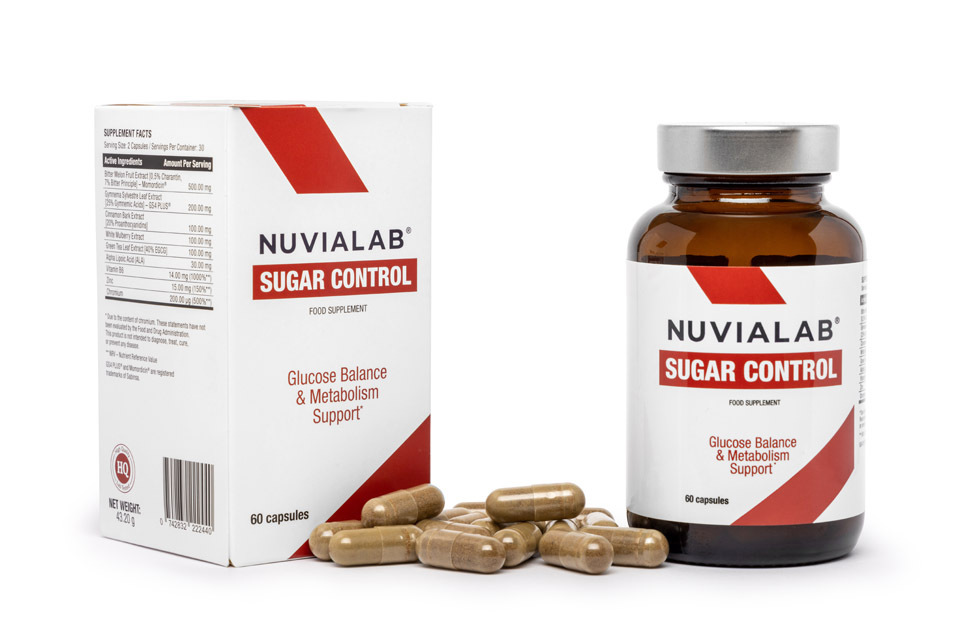
See GS4 PLUS formula – combines these five ingredients at clinically-studied dosages.
Frequently Asked Questions About Natural Blood Sugar Support
How do these natural ingredients compare to prescription blood sugar medications?
This is the question everyone wants answered directly, but it requires nuanced context. Natural ingredients like berberine, Gymnema, and cinnamon work through different mechanisms than most pharmaceutical interventions. Research suggests they may offer comparable benefits for some individuals, particularly those in the prediabetic range or early stages of metabolic dysfunction.
However, these ingredients are not pharmaceutical replacements, and anyone currently taking prescription medication should never discontinue or adjust medication without medical supervision. The most appropriate approach for many people is using natural ingredients as complementary support alongside lifestyle interventions, potentially reducing (under medical guidance) medication needs over time as metabolic function improves.
Some healthcare practitioners are incorporating these ingredients into integrative treatment plans, particularly for patients who cannot tolerate pharmaceutical side effects or who wish to address blood sugar issues before progressing to medication.
How long does it take to see results from these natural blood sugar ingredients?
Clinical studies show variable timelines depending on the ingredient and individual factors:
- Immediate effects (within days): Cinnamon’s impact on post-meal glucose spikes, Gymnema’s reduction in sugar cravings
- Short-term effects (2-4 weeks): Initial improvements in fasting glucose, reduced fatigue and energy fluctuations
- Medium-term effects (6-8 weeks): Measurable improvements in fasting glucose and HbA1c in clinical studies
- Long-term effects (12+ weeks): Maximum benefits on insulin sensitivity, glucose homeostasis, and metabolic markers
Most clinical trials use 8-12 week protocols because this timeframe allows genuine metabolic changes to manifest while remaining practical for research. Anecdotally, many users report noticeable improvements in energy levels and reduced sugar cravings within the first 2-3 weeks, even before laboratory values show significant changes.
Individual results vary based on baseline metabolic health, dietary habits, exercise patterns, sleep quality, stress levels, and genetic factors. These ingredients work best as part of a comprehensive approach that includes dietary improvements and regular physical activity for natural blood sugar control.
Are there side effects I should know about with natural blood sugar supplements?
One of the advantages of natural ingredients is their generally favorable safety profile compared to pharmaceutical interventions. However, honest disclosure requires acknowledging potential effects:
Berberine: Gastrointestinal effects (cramping, diarrhea, or constipation) affect approximately 15-25% of users initially, typically resolving within 2-4 weeks. Starting with lower doses and gradually increasing can minimize this.
Gymnema: Minimal side effects reported in clinical studies. Occasional mild digestive discomfort in less than 5% of users. The temporary suppression of sweet taste is a feature, not a bug—though it can be disconcerting if unexpected.
Cinnamon: Ceylon cinnamon at recommended doses (1-2g daily) has an excellent safety profile. Cassia cinnamon’s higher coumarin content makes it less suitable for long-term supplementation.
Fenugreek: Maple syrup body odor is the most notable effect (harmless but noticeable). Mild gas or bloating initially in some users. May lower blood sugar too effectively in combination with medications (requiring medical supervision for dose adjustments).
General caution: All of these ingredients can enhance the effects of blood sugar medications. Anyone taking metformin, sulfonylureas, insulin, or other glucose-lowering medications must work with their healthcare provider to monitor blood sugar and adjust medication dosages appropriately.
Pregnant or nursing women should avoid these supplements, as safety has not been established in these populations. Individuals with liver disease should consult healthcare providers before using berberine.
Which ingredient is most important—can I just take one for natural blood sugar control?
The honest answer: You could focus on a single ingredient, and some people do see benefits from berberine or Gymnema alone. However, the research increasingly suggests that combination approaches produce superior results for natural blood sugar control.
Think of glucose regulation like a complex machine with multiple gears and levers. Adjusting a single gear might improve function, but addressing multiple points of control simultaneously produces more comprehensive optimization.
If forced to prioritize a single ingredient based purely on research volume and effect size, berberine has the most robust clinical evidence. Its multi-mechanism approach and pharmaceutical-comparable effects make it the “foundation” ingredient many practitioners recommend first.
However, berberine’s mechanisms don’t address sweet taste perception and cravings (Gymnema’s specialty), post-meal glucose spike moderation (cinnamon’s strength), or glucose-dependent insulin secretion (fenugreek’s contribution). A well-designed multi-ingredient formula addresses these gaps.
What about chromium, alpha-lipoic acid, and other ingredients I’ve seen in blood sugar supplements?
This article focuses on the five ingredients with the most substantial clinical evidence specific to glucose homeostasis. Several other compounds have varying levels of research support:
Chromium: Essential trace mineral that enhances insulin function. Research is mixed—some studies show benefits, others don’t. Most effective in individuals with chromium deficiency (uncommon in Western diets). Not harmful at recommended doses but arguably less critical than the five ingredients discussed here.
Alpha-lipoic acid: Powerful antioxidant with some glucose-lowering effects and potential benefits for diabetic neuropathy. Moderate research support. May complement other ingredients but isn’t typically a primary glucose-management compound.
Bitter melon: Traditional remedy with modest research support. Some clinical studies show benefits; others are inconclusive. Less robust evidence than the five ingredients featured here.
Banaba leaf: Contains corosolic acid, which shows promise in some studies. Research volume is smaller than for Gymnema or berberine.
The supplement industry often includes numerous ingredients in “kitchen sink” formulations, often at doses too low to produce the effects observed in research. The five ingredients highlighted in this article represent the strongest evidence-to-dose ratio currently available for natural blood sugar control.
Taking Control of Your Blood Sugar Journey
The clinical evidence for natural blood sugar support has moved beyond anecdotal claims and traditional wisdom into peer-reviewed, reproducible research. Gymnema sylvestre, berberine, cinnamon, and fenugreek aren’t miracle cures—they’re tools with documented mechanisms of action, measurable effects, and reasonable safety profiles.
What makes these ingredients valuable isn’t that they eliminate the need for healthy lifestyle choices. They don’t. What they offer is additional support for individuals committed to improving their metabolic health through diet, exercise, stress management, and—when appropriate—medical intervention.
The research shows genuine promise. Multiple clinical trials, published in respected journals, using proper randomized controlled designs, have documented improvements in fasting glucose, HbA1c, insulin sensitivity, and related metabolic markers. These aren’t marginal changes—they’re clinically significant improvements that can make real differences in quality of life and long-term health outcomes.
Your Next Steps for Natural Blood Sugar Control
If you’re dealing with blood sugar concerns, several evidence-based actions can help:
- Get proper testing: Know your baseline. Fasting glucose, HbA1c, and ideally an oral glucose tolerance test provide the data you need to make informed decisions.
- Work with healthcare providers: Natural ingredients can be powerful. That power means they deserve the same respect you’d give pharmaceutical interventions. Medical supervision ensures safety, particularly if you’re taking medications.
- Address lifestyle fundamentals: No supplement compensates for poor diet, sedentary lifestyle, inadequate sleep, or chronic stress. These ingredients work best as complements to healthy behaviors, not replacements.
- Choose quality formulations: Research-backed dosages matter. A supplement containing 50mg of berberine won’t produce the effects observed in studies using 1,500mg daily. Look for formulas that use clinically relevant doses of all ingredients.
- Give it time: Clinical studies typically run 8-12 weeks for good reason. Metabolic changes don’t happen overnight. Commit to consistent supplementation and lifestyle improvements for at least this timeframe before evaluating results.
- Monitor and adjust: Regular glucose monitoring (whether through traditional finger-stick testing or continuous glucose monitors) provides objective feedback. What works varies individually—tracking your response helps optimize your approach.
Learn more about GS4 PLUS – a research-backed formula combining all five ingredients at clinical dosages.
The path to better blood sugar management isn’t about finding a single magic ingredient. It’s about understanding the science, making informed choices, and committing to the comprehensive approach that research shows actually works. These five natural ingredients—Gymnema, berberine, cinnamon, fenugreek, and their synergistic combination—represent the current frontier of evidence-based natural blood sugar support.
You have options. The research shows there’s a natural path forward. What you do with this information determines your metabolic trajectory.
References and Sources
This article synthesizes clinical research from peer-reviewed medical journals. Key references include:
- Leach MJ. Gymnema sylvestre for diabetes mellitus: a systematic review. Journal of Alternative and Complementary Medicine. 2007;13(9):977-983. [PubMed: 17983345]
- Baskaran K, Kizar Ahamath B, Shanmugasundaram KR, Shanmugasundaram ER. Antidiabetic effect of a leaf extract from Gymnema sylvestre in non-insulin-dependent diabetes mellitus patients. Journal of Ethnopharmacology. 1990;30(3):295-305. [PubMed: 2259217]
- Yin J, Xing H, Ye J. Efficacy of berberine in patients with type 2 diabetes mellitus. Metabolism: Clinical and Experimental. 2008;57(5):712-717. [PubMed: 18442638]
- Zhang Y, Li X, Zou D, et al. Treatment of type 2 diabetes and dyslipidemia with the natural plant alkaloid berberine. Journal of Clinical Endocrinology & Metabolism. 2008;93(7):2559-2565. [PubMed: 18397984]
- Lan J, Zhao Y, Dong F, et al. Meta-analysis of the effect and safety of berberine in the treatment of type 2 diabetes mellitus, hyperlipemia and hypertension. Journal of Ethnopharmacology. 2015;161:69-81. [PubMed: 25498346]
- Khan A, Safdar M, Ali Khan MM, Khattak KN, Anderson RA. Cinnamon improves glucose and lipids of people with type 2 diabetes. Diabetes Care. 2003;26(12):3215-3218. [PubMed: 14633804]
- Allen RW, Schwartzman E, Baker WL, Coleman CI, Phung OJ. Cinnamon use in type 2 diabetes: an updated systematic review and meta-analysis. Annals of Family Medicine. 2013;11(5):452-459. [PubMed: 24019277]
- Hlebowicz J, Darwiche G, Björgell O, Almér LO. Effect of cinnamon on postprandial blood glucose, gastric emptying, and satiety in healthy subjects. American Journal of Clinical Nutrition. 2007;85(6):1552-1556. [PubMed: 17556692]
- Gupta A, Gupta R, Lal B. Effect of Trigonella foenum-graecum (fenugreek) seeds on glycaemic control and insulin resistance in type 2 diabetes mellitus. Journal of the Association of Physicians of India. 2001;49:1057-1061. [PubMed: 11868855]
- Neelakantan N, Narayanan M, de Souza RJ, van Dam RM. Effect of fenugreek (Trigonella foenum-graecum L.) intake on glycemia: a meta-analysis of clinical trials. Nutrition Journal. 2014;13:7. [PubMed: 24438170]
- Marles RJ, Farnsworth NR. Antidiabetic plants and their active constituents. Phytomedicine. 1995;2(2):137-189.
- National Center for Complementary and Integrative Health. Diabetes and Dietary Supplements. National Institutes of Health. Updated 2020. https://www.nccih.nih.gov/health/diabetes-and-dietary-supplements
- American Diabetes Association. Standards of Medical Care in Diabetes—2022. Diabetes Care. 2022;45(Supplement 1). https://doi.org/10.2337/dc22-S001
Medical Disclaimer: These statements have not been evaluated by the Food and Drug Administration. This product is not intended to diagnose, treat, cure, or prevent any disease. The information provided in this article is for educational purposes only and is not intended as medical advice. Always consult with a qualified healthcare provider before starting any supplement regimen, especially if you have diabetes, take blood sugar medications, are pregnant or nursing, or have any medical conditions. Individual results may vary. Never discontinue prescription medications without medical supervision.