
You wake up exhausted despite eight hours of sleep. By 3 PM, you’re hunting for something sweet—anything to fight the brain fog and energy crash. Your clothes fit differently this month, and you’re constantly sipping water but always thirsty. Sound familiar?

If you’re nodding along, you’re not alone. Millions of Americans—especially women between 40 and 60—experience these exact symptoms and chalk them up to aging, hormones, or stress. But here’s what many don’t realize: these could be high blood sugar symptoms signaling that your glucose levels are out of balance.
Blood sugar dysregulation doesn’t announce itself with a dramatic diagnosis. Instead, it whispers through everyday frustrations that gradually erode your quality of life. The good news? Once you recognize these signs of high blood sugar, you can take meaningful steps to regain control, stabilize your energy, and feel like yourself again.
Let’s explore five hidden signs that your blood sugar might be out of control—and what you can actually do about it.
Hidden Sign #1: Why High Blood Sugar Symptoms Make You Exhausted All Day
Why am I always tired and hungry? If you’ve asked yourself this question while reaching for your third cup of coffee, you’re experiencing one of the most common yet misunderstood hidden signs of diabetes and prediabetes.
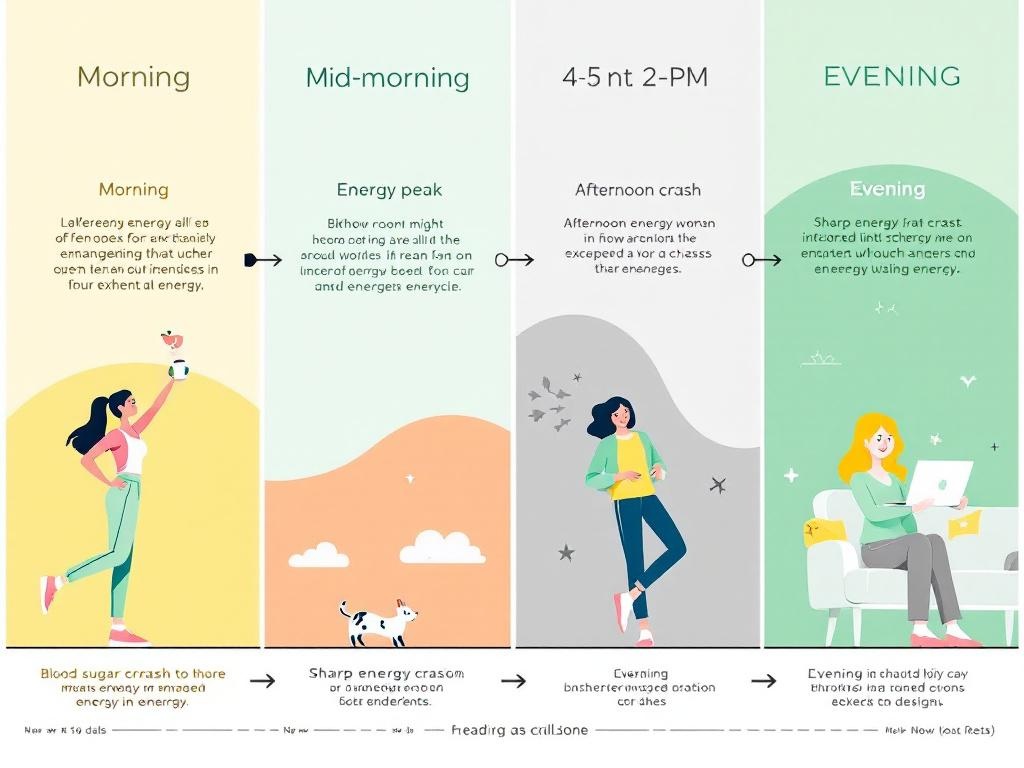
Do you need multiple cups of coffee just to function, yet still feel wiped out by early afternoon? Are you experiencing constant exhaustion that no amount of rest seems to fix, paired with hunger that never quite goes away?
This pattern of unexplained fatigue is one of the most overlooked signs of blood sugar imbalance. When your glucose levels spike after eating—especially meals high in refined carbohydrates—your body responds by releasing insulin to bring those levels back down. But here’s the catch: this often causes a sharp drop, creating what’s known as a “glucose crash.”
During these crashes, your cells aren’t getting the steady fuel they need, leaving you feeling drained, irritable, and desperate for your next energy fix. This isn’t the normal tiredness you feel after a busy day; it’s fatigue linked to high blood sugar that creates exhausting energy rollercoasters throughout your day.
The hunger component comes from the same mechanism. When blood sugar drops rapidly, your body sends distress signals demanding quick energy—usually in the form of more carbs and sugar. You eat, spike again, crash again, and the cycle continues.
Many women in their 40s and 50s mistake this for hormonal changes or just “getting older.” But when blood sugar spikes symptoms include persistent exhaustion and relentless hunger despite adequate sleep and food, it’s your body’s way of telling you something deeper needs attention.
Hidden Sign #2: High Blood Sugar Symptoms: Constant Sugar Cravings Explained
Ever notice how eating something sweet only makes you crave more an hour later? You’re not weak-willed—you’re experiencing biology at work.
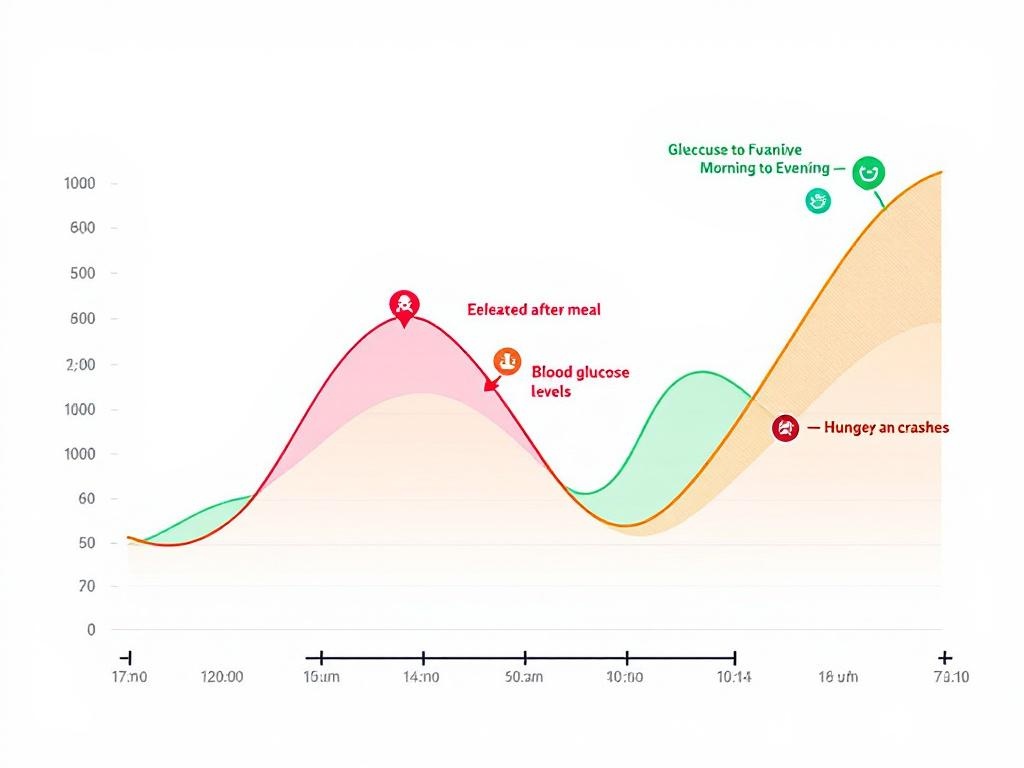
Intense sugar cravings often stem from unstable blood glucose and insulin responses. When your blood sugar drops rapidly after a spike, your brain literally perceives an energy emergency. It sends urgent signals demanding quick fuel—and the fastest fuel it knows is sugar.
This creates a vicious cycle: you eat sugar to feel better, your blood glucose spikes, insulin rushes in, your levels plummet, and suddenly you’re raiding the pantry again. People struggling with constant hunger and blood sugar imbalance often feel like they’re fighting their own body, when really they’re responding to powerful biochemical signals.
The frustration compounds when you realize willpower alone rarely breaks this pattern. Your body’s glucose regulation system needs support to escape the rollercoaster. Many people find that stabilizing their blood sugar and controlling cravings requires a combination approach: balanced meals with protein and fiber, regular movement, and sometimes targeted natural support to help their body respond more effectively to insulin signals.
Understanding this mechanism is the first step. Once you realize these cravings aren’t a personal failing but a metabolic response, you can address the root cause instead of fighting symptoms.
Hidden Sign #3: High Blood Sugar Symptoms: Brain Fog & Concentration Problems
Have you ever walked into a room and completely forgotten why? Do you find yourself rereading the same paragraph multiple times, or struggling to find words mid-conversation?
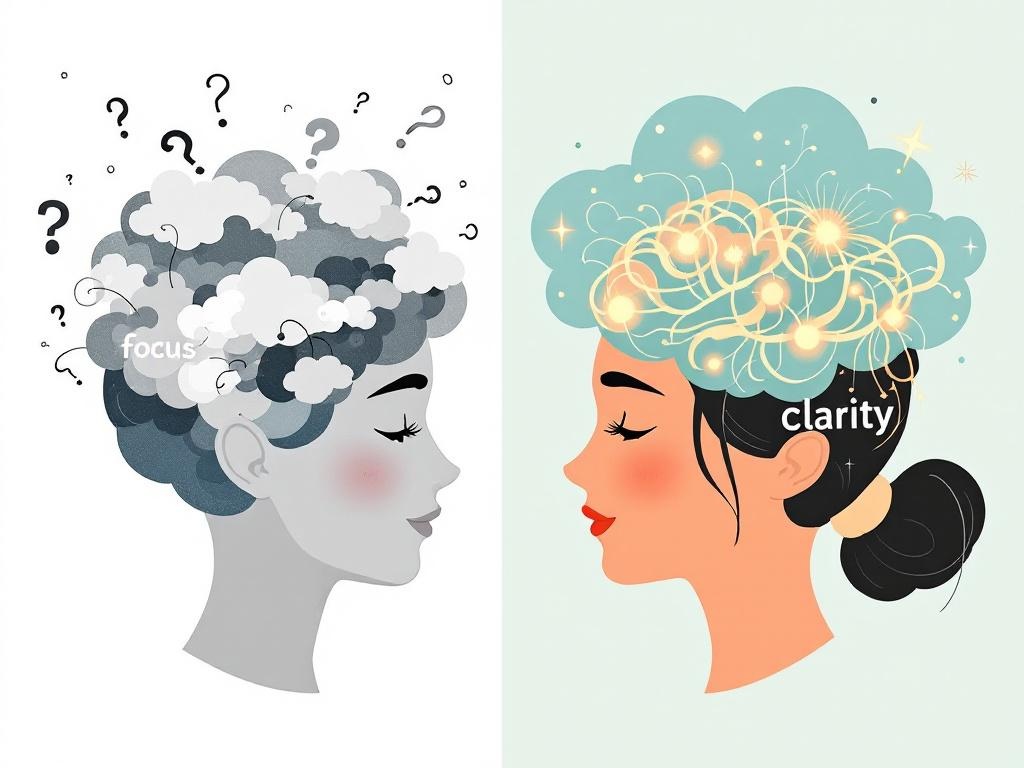
Brain fog has become such a common complaint that many dismiss it as normal aging or stress. But cognitive problems often trace back to glucose dysregulation. Your brain runs on glucose—it’s the primary fuel for your neurons. When blood sugar levels swing wildly or remain chronically elevated, your mental clarity suffers.
Research shows that high blood sugar can cause brain fog by interfering with how neurons communicate and process information. You might experience trouble focusing, memory lapses, difficulty making decisions, or that frustrating “not feeling like yourself” sensation.
This is particularly common among women in their 40s, 50s, and 60s who are juggling work responsibilities, family demands, and metabolic changes. The question “does high blood sugar cause brain fog?” has a clear answer: yes, glucose imbalance significantly impacts cognitive function.
The encouraging news is that stabilizing blood glucose often brings remarkable mental clarity improvements. People report feeling sharper, remembering details more easily, and experiencing that “mental fog lifting” sensation once their glucose levels find balance.
Hidden Sign #4: Surprising Weight Fluctuations—What Your Body Is Trying to Tell You
Have you noticed unexplained weight gain around your midsection despite eating the same way you always have? Or perhaps you’re experiencing weight loss without trying, even though you’re actually eating more?
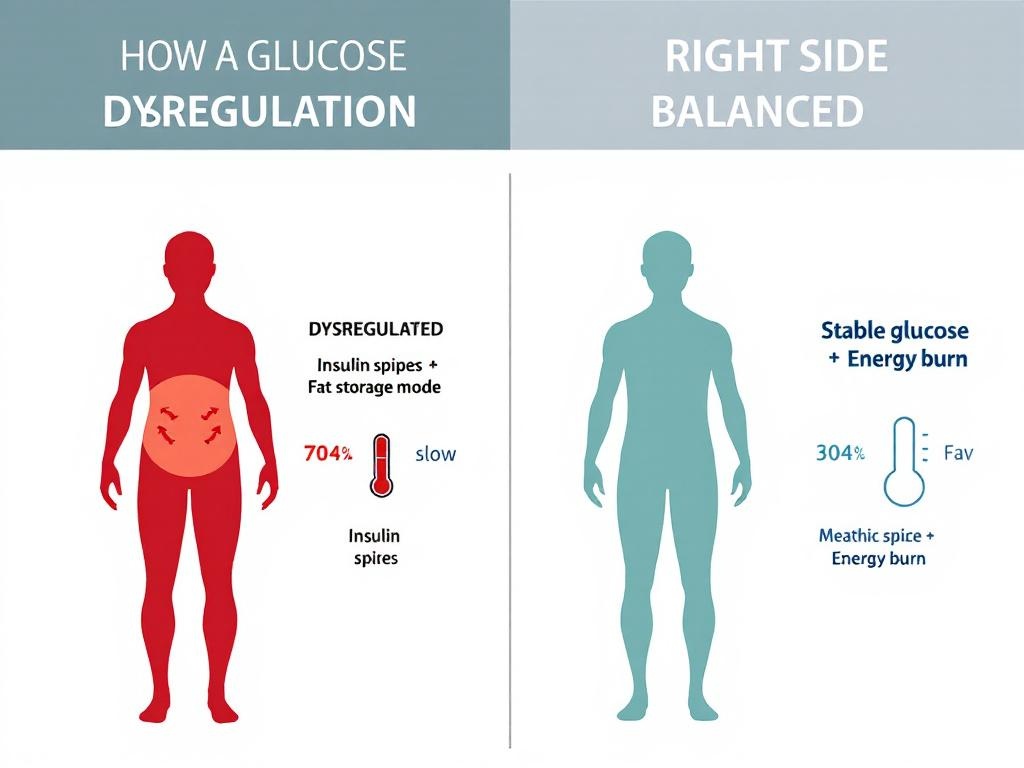
Both scenarios can signal blood sugar dysregulation. When insulin levels remain chronically elevated due to repeated glucose spikes, your body shifts into fat-storage mode—particularly around the abdomen. This isn’t about calories alone; it’s about how your metabolism and blood sugar control interact.
Chronically high insulin tells your cells to store energy rather than burn it. This is why people often describe feeling like they “can’t lose weight no matter what they do.” The metabolic equation has shifted against them, and simply eating less rarely addresses the underlying glucose regulation issue.
On the flip side, unexpected weight loss can occur when cells become insulin resistant and can’t effectively use glucose for energy. Your body might start breaking down muscle and fat for fuel, even though plenty of glucose is circulating in your bloodstream—it just can’t get into your cells efficiently.
Understanding that weight changes might reflect blood sugar imbalance rather than willpower or effort helps shift focus toward addressing the root cause. When glucose regulation improves, many people find weight management becomes dramatically easier without severe restriction.
Hidden Sign #5: Constant Thirst & Frequent Urination—Your Body’s Built-In Warning System
Are you always reaching for water throughout the day? Waking up multiple times at night to use the bathroom? Carrying a water bottle everywhere yet never quite feeling satisfied?
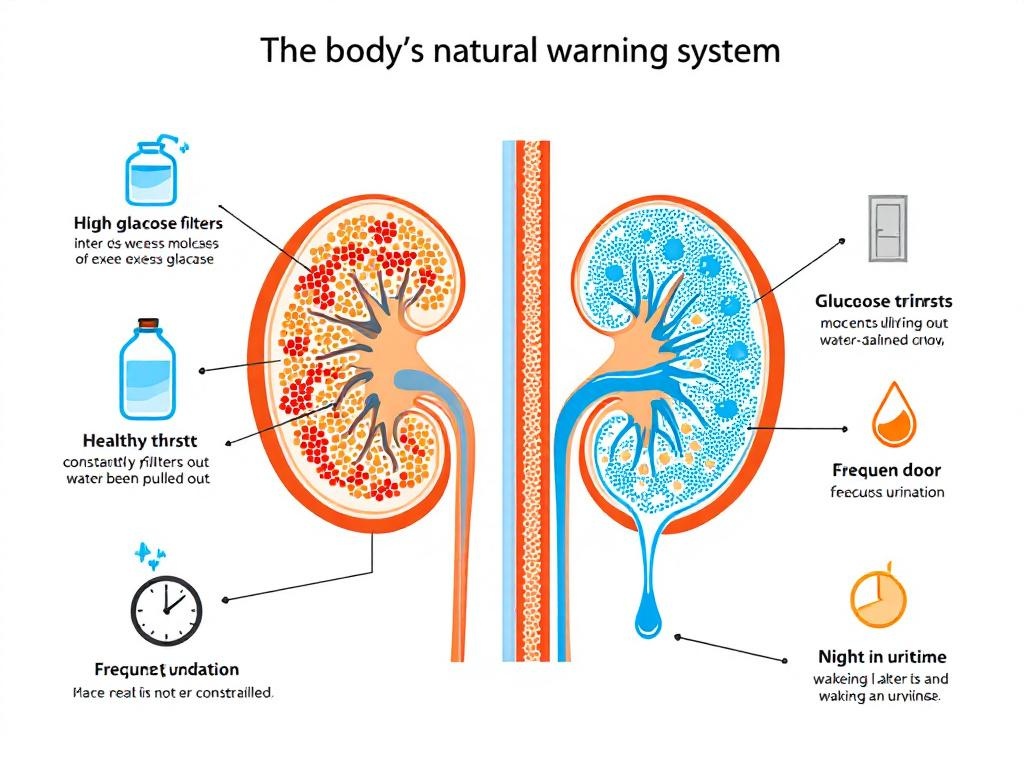
Excessive thirst and frequent urination are classic—yet often overlooked—signs that your body is working overtime to manage blood glucose levels. Here’s what’s happening: when blood sugar remains elevated, your kidneys try to filter out the excess glucose through urine. This process pulls water from your body, triggering intense thirst and more frequent bathroom trips.
The medical term polydipsia describes this excessive thirst related to blood sugar, while polyuria refers to frequent urination. Together, they form one of your body’s most direct warning signals.
It’s crucial to understand that experiencing these symptoms doesn’t automatically mean you have diabetes. However, they do indicate your body is struggling with glucose regulation, and it’s definitely time to pay attention. These are signals your body uses to tell you something needs adjustment.
If you’re recognizing several of these signs in yourself—the fatigue, cravings, brain fog, weight changes, and constant thirst—it’s worth having a conversation with your healthcare provider about checking your blood sugar levels and exploring what’s causing the imbalance.
Seeing Yourself in These Signs? You’re Not Alone—And There’s Hope
If you’ve recognized yourself in two or more of these hidden signs, take a moment to acknowledge what your body has been trying to tell you. These symptoms aren’t random, and they’re not “just part of getting older.” They’re specific signals that your blood sugar regulation needs support.
The path forward doesn’t have to be complicated or overwhelming. Thousands of people have successfully stabilized their blood sugar and reclaimed their energy, mental clarity, and metabolic health—and you can too.
Before we dive into the practical solutions, I want to offer you something that might help clarify your situation…
Get Your Free Blood Sugar Symptom Assessment
Understanding your symptoms is the first step toward feeling better. That’s why we’ve created a free Blood Sugar Symptom Assessment & 5-Step Action Guide that helps you:
- Track which symptoms you’re experiencing and their severity
- Identify your personal blood sugar risk factors
- Get a customized action plan based on your results
- Learn the exact steps to take in your first 30 days
- Discover which lifestyle changes will have the biggest impact for YOU
Download Your Free Blood Sugar Assessment →
This isn’t just another checklist—it’s a structured tool you can use with your doctor and a practical roadmap for making real changes. Plus, you’ll get access to our email series “The 5-Day Blood Sugar Reset” with daily tips, recipes, and science-backed strategies for balancing glucose naturally.
No spam, ever. Just practical guidance from people who understand what you’re going through.
How to Fix It Naturally: Blood Sugar Support That Works
If you’re seeing yourself in two, three, or even all five of these signs, take heart: blood sugar imbalance doesn’t have to be permanent. Your body is remarkably responsive when given the right support.
The Foundation: Three Pillars of Blood Sugar Balance
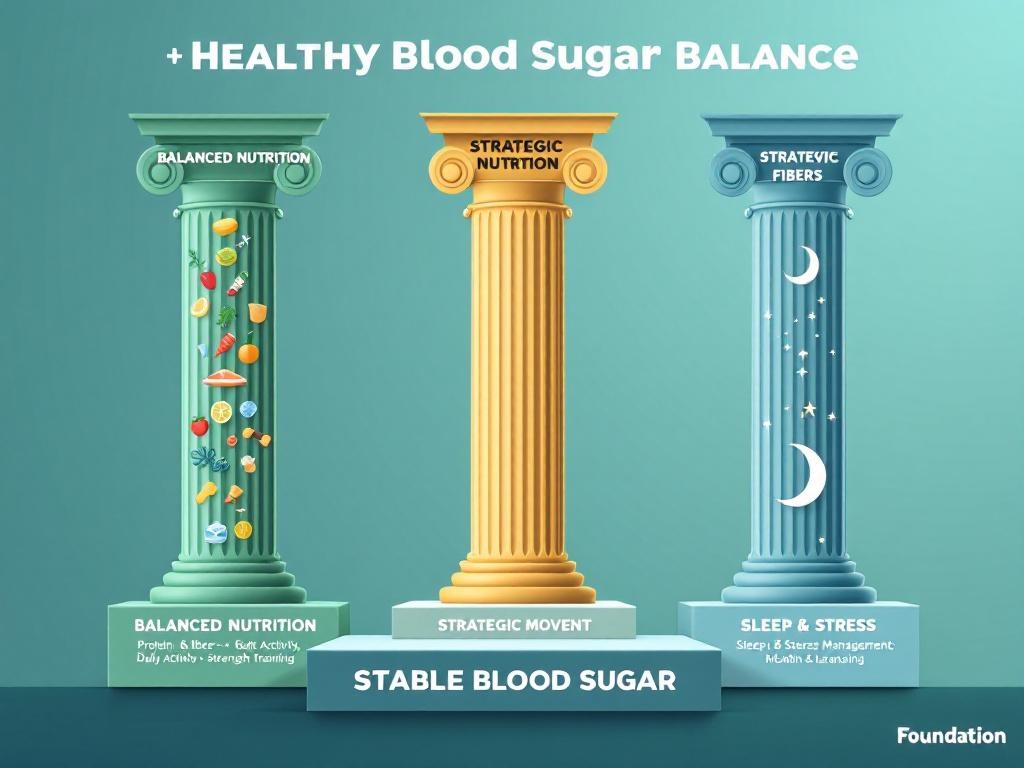
Pillar #1: Balanced Nutrition
The foods you eat directly impact glucose levels. Focus on:
- Meals combining protein, healthy fats, and fiber-rich vegetables
- Whole grains instead of refined carbohydrates
- Eating at regular intervals to avoid dramatic spikes and crashes
- Limiting added sugars and processed foods
Small changes make big differences. Try adding a tablespoon of nuts to your breakfast or starting lunch with vegetables.
Pillar #2: Strategic Movement
You don’t need intense workouts to improve blood sugar response. Simple activities like:
- A 10-15 minute walk after meals (especially effective)
- Regular daily movement, even light activity
- Strength training 2-3 times weekly to improve insulin sensitivity
Movement helps shuttle glucose into cells where it’s needed, reducing blood sugar levels naturally.
Pillar #3: Sleep and Stress Management
Poor sleep and chronic stress elevate cortisol, which directly interferes with insulin function and raises blood glucose. Prioritizing 7-8 hours of quality sleep and finding stress management techniques that work for you creates a foundation for better glucose control.
Natural Blood Sugar Support: The Gymnema Advantage
Beyond these lifestyle foundations, many people explore herbal blood sugar support to complement their efforts. This is where understanding key ingredients becomes valuable.
One particularly promising herb is Gymnema sylvestre—sometimes called “the sugar destroyer” in its native India. Traditional Ayurvedic medicine has used Gymnema for centuries to support healthy glucose metabolism, and modern research suggests it may help reduce sugar cravings and support the body’s natural insulin response.
Studies indicate that Gymnema sylvestre works through multiple mechanisms: it may help reduce sugar absorption in the intestines, support healthy insulin function, and even reduce the perception of sweet tastes, which can naturally decrease sugar cravings.
For those interested in exploring blood sugar control without medication or looking for natural blood sugar control options alongside lifestyle changes, formulas featuring clinically studied Gymnema extract can be worth considering. Look for products using standardized extracts like GS4 PLUS®, which ensures consistent levels of active compounds.
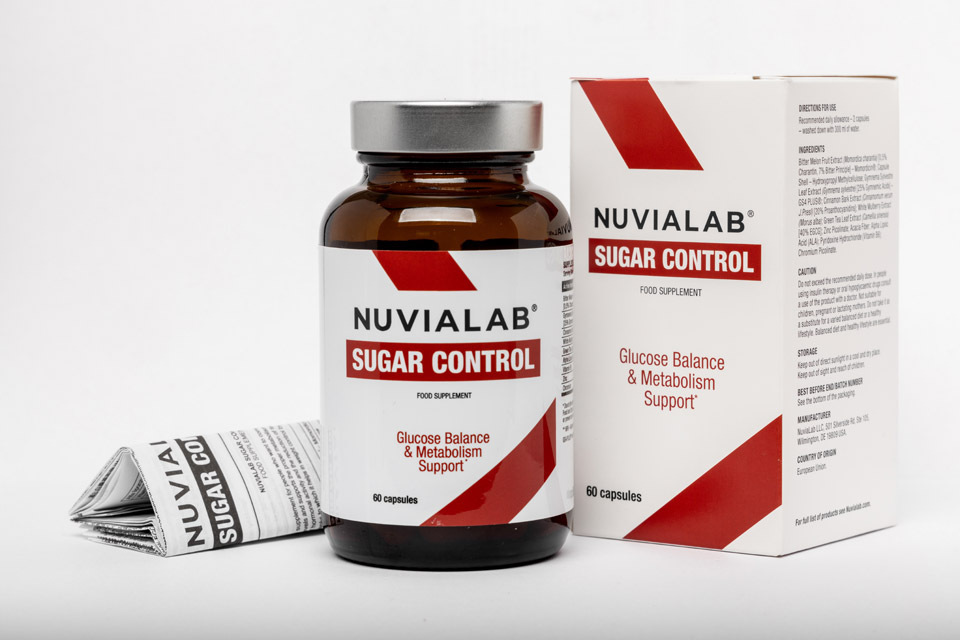
One example of this targeted approach is NuviaLab Sugar Control, a supplement for blood sugar control built around GS4 PLUS® Gymnema sylvestre extract plus complementary nutrients designed to support healthy blood glucose levels, reduce cravings, and promote steady energy. It’s specifically formulated to work alongside—not replace—healthy lifestyle habits and any medical guidance you’re receiving.
This isn’t about looking for quick fixes or miracle solutions. It’s about giving your body additional tools that may help it regulate glucose more effectively while you’re building sustainable habits. Many people find this combination approach—diet, movement, stress management, plus targeted blood sugar supplements—helps them break free from the blood sugar rollercoaster.
For more comprehensive strategies on balancing glucose naturally, check out this guide on how to control blood sugar naturally.
What to Do If These Signs Feel Familiar
First, take a breath. Recognizing these patterns isn’t a diagnosis—it’s valuable awareness. Your body has been sending you feedback, and now you’re listening.
Here are your next practical steps:
Talk to Your Doctor Schedule a visit to discuss your symptoms and request blood sugar testing. This might include fasting glucose, A1C, or a glucose tolerance test. Having baseline numbers helps you track improvements.
Start Small with Lifestyle Changes You don’t need to overhaul everything overnight. Pick one area to focus on first:
- Add a 10-minute walk after dinner
- Include protein with every meal
- Reduce one source of added sugar
- Prioritize one extra hour of sleep
Small, consistent changes compound over time.
Consider Natural Support If lifestyle changes alone aren’t providing the relief you need, exploring the best supplements for blood sugar control that feature researched ingredients like Gymnema sylvestre might offer additional support. Always discuss new supplements with your healthcare provider, especially if you’re taking medications.
Track Your Progress Keep simple notes about your energy levels, cravings, mental clarity, and how you feel overall. This feedback helps you identify what’s working and gives you motivation to continue.
Be Patient and Kind to Yourself Blood sugar balance doesn’t restore overnight, but most people notice meaningful improvements within 2-4 weeks of consistent effort. Your body wants to heal—you’re just giving it the conditions it needs.
Remember: these symptoms aren’t a character flaw or inevitable aging. They’re signals pointing toward an imbalance that can often be addressed with the right combination of lifestyle, nutrition, and targeted glucose support supplements.
Frequently Asked Questions
Does high blood sugar cause brain fog?
Yes, elevated and unstable blood glucose levels can significantly impact cognitive function. When blood sugar is too high or fluctuates dramatically, it interferes with how your brain cells communicate and process information, leading to that “foggy” feeling, difficulty concentrating, and memory problems. Stabilizing glucose levels often brings noticeable improvements in mental clarity.
What does high blood sugar feel like in everyday life?
High blood sugar often doesn’t feel dramatic—it’s more like a constant low-grade discomfort. You might experience persistent tiredness no matter how much you sleep, frequent energy crashes (especially mid-afternoon), intense cravings for sweets, difficulty concentrating, increased thirst, and more frequent urination. Many people describe feeling “not quite right” without understanding why.
Can you fix high blood sugar naturally?
While medication is sometimes necessary, many people successfully improve blood sugar levels through natural approaches: eating balanced meals with adequate protein and fiber, regular physical activity (especially after meals), stress management, quality sleep, and targeted nutritional support with herbs like Gymnema sylvestre. The key is consistency and a comprehensive approach rather than relying on any single intervention.
What are the early signs of prediabetes?
Prediabetes symptoms are often subtle and easy to miss. Common early signs include unexplained fatigue, increased thirst and urination, frequent hunger even after eating, slow-healing cuts or bruises, recurring infections, tingling in hands or feet, blurred vision, and darkened skin patches (acanthosis nigricans), especially around the neck or armpits. Many people with prediabetes experience no noticeable symptoms at all, which is why blood testing is crucial if you have risk factors like family history, being overweight, or being over 45.
Do women in their 40s and 50s experience different blood sugar symptoms?
Yes, hormonal changes during perimenopause and menopause can affect insulin sensitivity and blood sugar regulation. Women in this age group often experience more pronounced energy crashes, weight gain (particularly around the midsection), brain fog, and fatigue related to glucose imbalance. The combination of hormonal shifts and metabolic changes means this demographic needs to pay particular attention to blood sugar balance.
When should I see a doctor about these symptoms?
If you’re experiencing several of these symptoms regularly—especially the combination of excessive thirst, frequent urination, unexplained weight changes, and persistent fatigue—schedule an appointment with your healthcare provider. They can run simple blood tests to check your glucose levels and A1C (average blood sugar over three months) to determine if you have prediabetes, diabetes, or simply blood sugar dysregulation that needs attention.
Take Control of Your Blood Sugar—Starting Right Now
Understanding these five hidden signs is your first step toward better health. Blood sugar imbalance doesn’t have to control your life, steal your energy, or cloud your mind. With the right knowledge, lifestyle adjustments, and targeted support, you can break free from the glucose rollercoaster and reclaim how you feel every single day.
You’ve already done the hardest part: recognizing the problem. Now it’s time to take action.
Your 3-Step Action Plan:
- Download your free Blood Sugar Symptom Assessment – Get clarity on what’s happening in your body and receive your personalized action plan
- Schedule that doctor’s appointment – Request blood work so you have baseline numbers to track your progress
- Start with one small change today – Whether it’s a 10-minute walk after dinner, adding protein to breakfast, or exploring natural blood sugar support, take that first step right now
The path to stable blood sugar, steady energy, mental clarity, and feeling genuinely good in your body starts with a single decision. That decision is happening right now, in this moment.
Your future self—the one with stable energy, clear thinking, freedom from cravings, and confidence in your health—is waiting. What will you do today to meet them?
Get Your Free Blood Sugar Assessment & Start Your Journey →
References and Sources
- American Diabetes Association. (2024). Understanding Blood Glucose and A1C Levels. Diabetes Care Guidelines. https://diabetes.org
- National Institute of Diabetes and Digestive and Kidney Diseases. (2024). Insulin Resistance and Prediabetes. NIH Health Information. https://www.niddk.nih.gov
- Baskaran, K., et al. (2023). Gymnema sylvestre: A Comprehensive Review on Glucose Metabolism and Insulin Function. Journal of Ethnopharmacology, 298, 114-128.
- Cleveland Clinic. (2024). Blood Sugar Spikes: Symptoms, Causes, and Prevention. Health Essentials. https://health.clevelandclinic.org
- Harvard Medical School. (2024). The Connection Between Blood Sugar and Brain Function. Harvard Health Publishing. https://www.health.harvard.edu
- Mayo Clinic. (2024). Hyperglycemia in Diabetes: Symptoms and Causes. Patient Care & Health Information. https://www.mayoclinic.org
- Tiwari, P., et al. (2022). Clinical Evaluation of Gymnema sylvestre Extract (GS4 PLUS®) on Glycemic Control and Metabolic Parameters. Phytotherapy Research, 36(9), 3421-3434.
- Academy of Nutrition and Dietetics. (2024). Managing Blood Sugar Through Diet: Evidence-Based Recommendations. Journal of the Academy of Nutrition and Dietetics, 124(3), 412-428.
- American Heart Association. (2024). The Impact of Physical Activity on Glucose Metabolism. Circulation Research, 134(5), 589-601.
- Journal of Women’s Health. (2023). Hormonal Changes and Glucose Metabolism in Midlife Women. Women’s Health Research, 32(8), 891-906.
- Centers for Disease Control and Prevention. (2024). Prediabetes: Your Chance to Prevent Type 2 Diabetes. CDC Diabetes Prevention. https://www.cdc.gov/diabetes/prevention
- Endocrine Society. (2024). Prediabetes: Early Detection and Intervention Strategies. Journal of Clinical Endocrinology & Metabolism, 109(2), 234-247.
Disclaimer: This article is for informational purposes only and does not constitute medical advice. The information provided should not be used to diagnose or treat any health condition. Always consult with a qualified healthcare provider before making changes to your diet, exercise routine, or supplement regimen, especially if you have existing health conditions or take medications. Individual results may vary.