
Immunity After 50: 6 Mistakes People Make (Evidence-Based Fixes)

Immunity after 50 changes dramatically—the average person’s immune response drops 2% per year. Most adults don’t know this, so they take the wrong supplements for the wrong reasons.
Immunity after 50 works differently than it did at 30. You’ve noticed recovery taking longer after colds or infections. You’re not imagining it. After age 50, your immune system undergoes significant biological changes that affect how quickly you bounce back from illness.
Your thymus gland, which produces infection-fighting T-cells, shrinks by approximately 40% between ages 50 and 70. Meanwhile, your gut microbiome—home to 70-80% of your immune cells—loses diversity. Chronic low-grade inflammation increases. These aren’t signs of failure. They’re natural adaptations that require different nutritional support to maintain immunity after 50.
Most adults over 50 make the same six mistakes when choosing supplements for immune support. These aren’t mistakes because you’re doing something wrong. They’re gaps in knowledge that most doctors don’t explain during routine appointments.
This article explains what changes in your body regarding immunity after 50, why standard supplement recommendations miss the mark, and how age-appropriate formulas address your specific biological needs. If you’re wondering why recovery seems harder now than it did at 30, or whether supplements for immune support actually work at your age, you’ll find evidence-based answers here.
How Your Immune System Changes With Immunity After 50
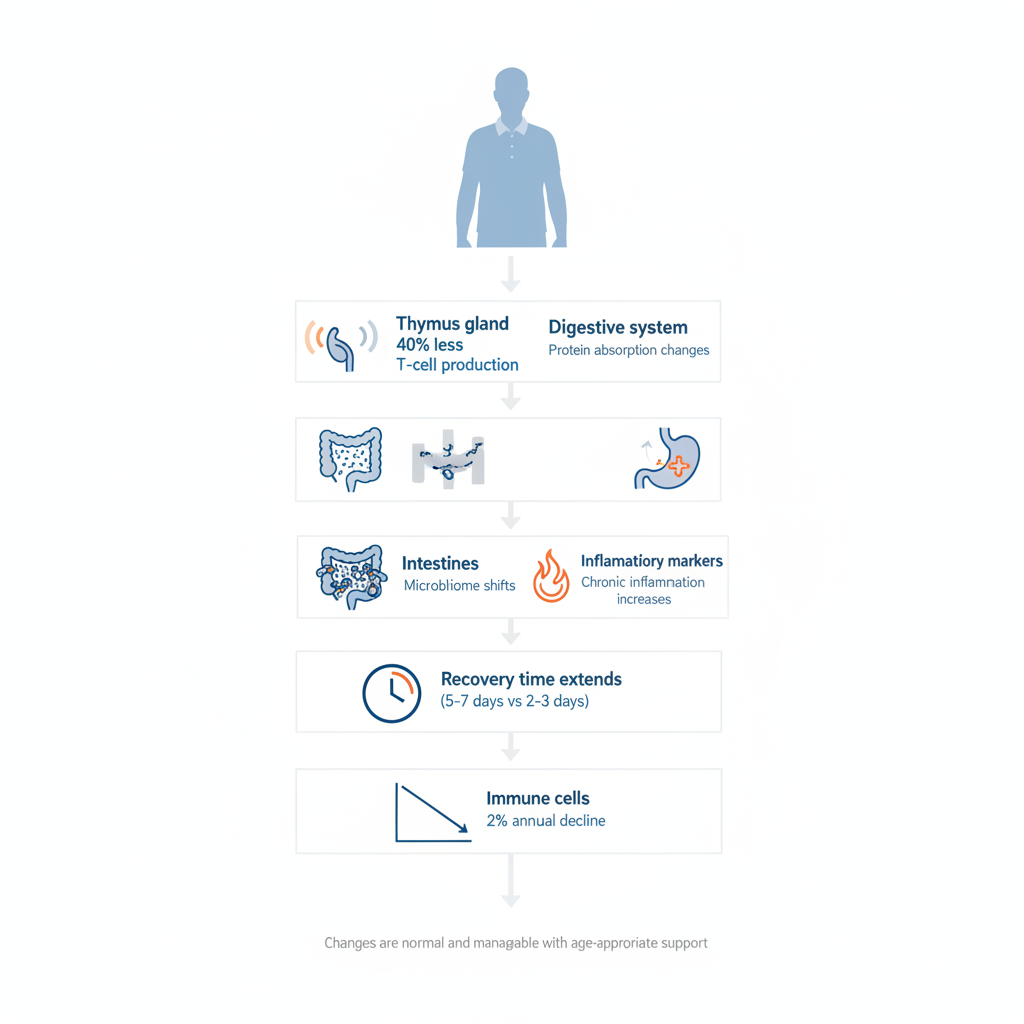
Before we examine common mistakes, understanding age-specific immune changes helps you make informed decisions about maintaining immunity after 50.
Thymus Gland Involution: Your thymus gland, located behind your sternum, produces T-cells that identify and destroy infected cells. Research published in the Journal of Immunology shows the thymus shrinks progressively after puberty, with accelerated decline after age 50. By 70, thymic output drops to approximately 10% of youthful levels. This means fewer new T-cells enter circulation, reducing your ability to respond to novel pathogens—a key factor affecting immunity after 50.
Metabolic Slowdown: Gastric acid production decreases with age, affecting how efficiently you absorb nutrients from food and supplements. Studies in Clinical Gastroenterology and Hepatology indicate that 30-40% of adults over 50 have some degree of reduced stomach acid. This matters because many vitamins and minerals require adequate stomach acid for absorption. A standard vitamin C dose that works well at 30 may deliver only 60-70% effectiveness at 60.
Gut Microbiome Shifts: Your intestinal bacteria composition changes significantly after 50. Beneficial strains like Lactobacillus and Bifidobacterium decline, while potentially problematic opportunistic bacteria increase. Research in Gut Microbes shows that approximately 70-80% of immune cells originate in gut-associated lymphoid tissue, so a weakened gut microbiome directly compromises immunity after 50.
Inflammaging: Chronic low-grade inflammation—termed “inflammaging” by researchers—increases after 50. Elevated pro-inflammatory cytokines create a constant immune alert state. Your immune system becomes less discriminating, sometimes attacking your own tissues while missing actual threats. This background inflammation exhausts immune resources and is a primary challenge for immunity after 50.
These changes are normal biological adaptations, not pathology. Your body at 50 is experienced, not failing. It simply needs different support than it did at 25 to maintain strong immunity after 50.
Mistake #1: Taking Standard Doses Not Designed for Immunity After 50
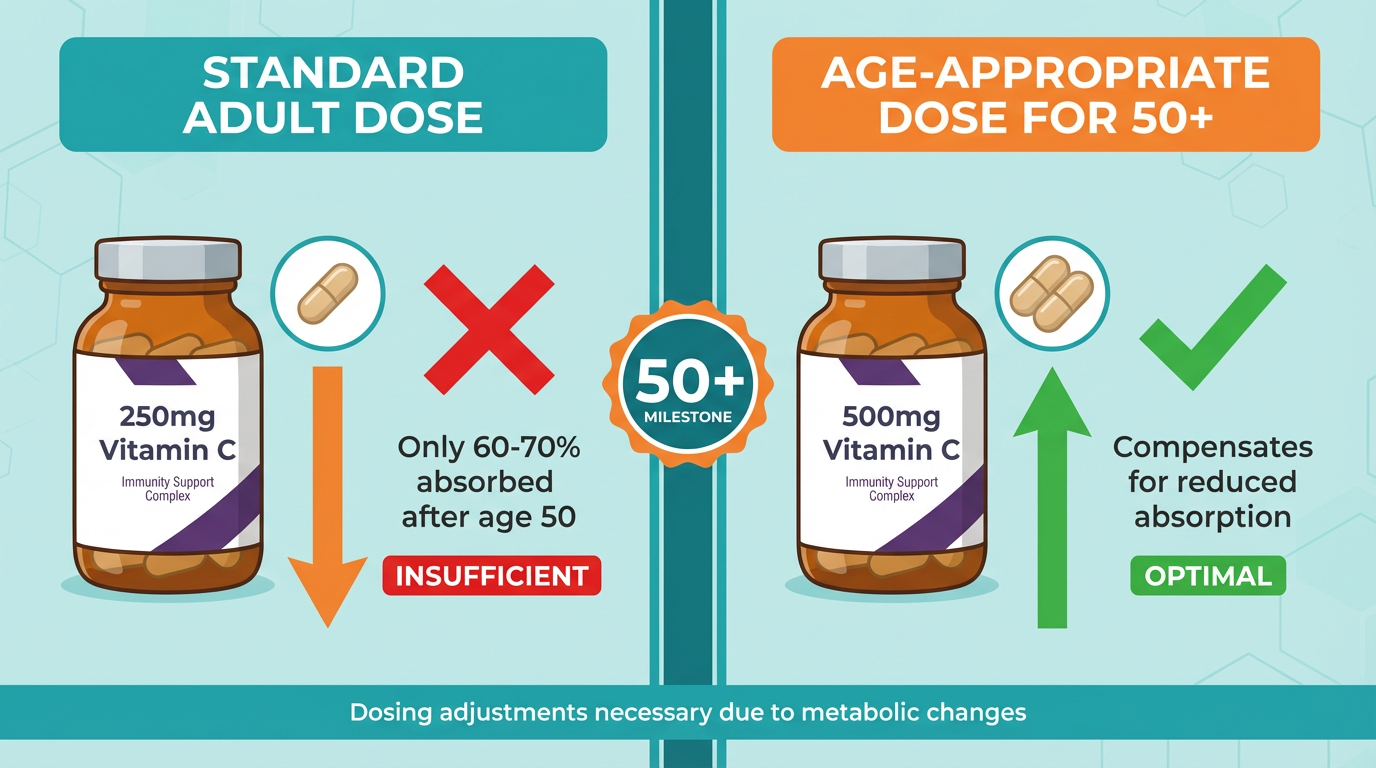
Most supplement labels display “adult doses” calibrated for ages 18-50. These recommendations don’t account for age-related absorption changes that affect immunity after 50.
Why This Happens
Supplement manufacturers typically base dosing recommendations on studies conducted with participants aged 20-45. Regulatory requirements don’t mandate age-specific dosing adjustments for adults over 50, even though absorption efficiency decreases significantly—impacting immunity after 50.
When you take a supplement with 250mg of vitamin C after age 50, your actual absorption may be only 150-175mg due to reduced gastric acid and slower intestinal transit time. You’re following the label directions correctly but receiving suboptimal nutritional support for immunity after 50.
The Age-Specific Change
Research on nutrient absorption in older adults shows that gastric acid production decreases, intestinal permeability changes, and liver metabolism slows with age—all factors that reduce how efficiently you absorb vitamins and minerals from supplements needed for immunity after 50.
- Decreased gastric acid production reduces the breakdown of nutrient complexes, making minerals and certain vitamins less bioavailable
- Altered intestinal permeability affects how efficiently nutrients cross from your digestive tract into your bloodstream
- Slower liver metabolism changes how quickly your body processes and utilizes fat-soluble vitamins
The Fix
Look for supplements specifically formulated with age-appropriate dosing for immunity after 50. These typically contain 40-60% higher amounts of key nutrients to compensate for reduced absorption efficiency.
For immune support specifically, age-optimized formulas include elevated doses of vitamin C (500mg instead of 250mg), vitamin D (2000 IU instead of 1000 IU), and zinc (15mg instead of 8mg). These amounts remain within safe upper limits while accounting for your body’s current absorption capacity for maintaining immunity after 50.
Quality matters more than quantity. Standardized extracts with proven bioavailability work better than high doses of poorly absorbed forms. A 500mg dose of liposomal vitamin C provides better results than 1000mg of standard ascorbic acid for supporting immunity after 50.
Mistake #2: Ignoring Gut Health Changes That Impact Immunity After 50
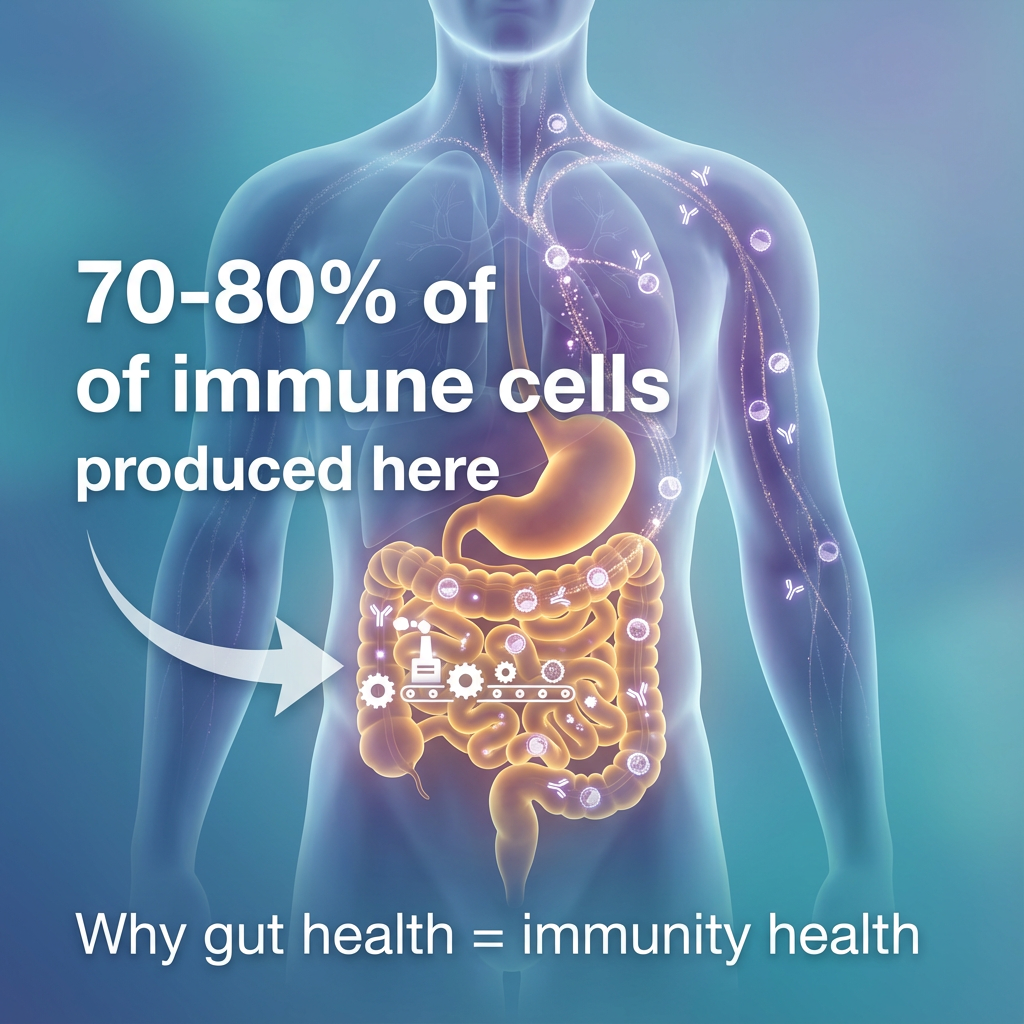
Most people seeking immunity support focus exclusively on vitamins C and D while overlooking the gut microbiome—where the majority of immune cell production actually occurs, especially critical for immunity after 50.
Why This Happens
Gut health receives less attention in mainstream immunity discussions than it deserves. Research connecting gut bacteria to immune function is relatively recent compared to long-established knowledge about vitamin C. Many standard immunity supplements contain no gut-supportive ingredients whatsoever—a critical oversight for immunity after 50.
The Age-Specific Change
Studies published in Nature Reviews Immunology document dramatic shifts in gut microbiome composition after 50. Beneficial bacterial strains decline while potentially problematic species increase. This dysbiosis—imbalanced gut flora—directly weakens immune response and compromises immunity after 50.
Your gut-associated lymphoid tissue (GALT) produces immunoglobulin A antibodies, coordinates immune cell communication, and trains new immune cells to distinguish threats from harmless substances. When beneficial bacteria decline, this entire system operates less efficiently, making immunity after 50 more vulnerable.
Intestinal barrier integrity also decreases with age. Increased intestinal permeability—sometimes called “leaky gut”—allows larger molecules to cross into your bloodstream, triggering unnecessary immune activation and contributing to chronic inflammation that undermines immunity after 50.
The Fix
Choose supplements that include gut-supportive ingredients, not just immune vitamins. Look for formulas containing:
- Nucleotides: These building blocks of DNA and RNA support rapid immune cell division in your gut. Studies show nucleotide supplementation enhances gut immunity in adults over 50
- Probiotics: Specific strains like Lactobacillus rhamnosus and Bifidobacterium lactis help restore beneficial bacteria populations essential for immunity after 50
- Prebiotic fiber: Feeds beneficial bacteria, supporting their growth and activity
Comprehensive immunity formulas designed for mature adults include ingredients like Immunell™ nucleotides that specifically support immune cell production in gut tissue. This addresses immunity at its source rather than merely supplementing downstream vitamins—critical for maintaining immunity after 50.
Pair supplementation with fermented foods (yogurt, kefir, kimchi, sauerkraut) for synergistic benefit. The combination of supplemental support and dietary probiotics produces better outcomes than either approach alone for immunity after 50.
Mistake #3: Not Addressing Chronic Inflammation Affecting Immunity After 50
Standard immunity boosters focus on stimulating immune response. For immunity after 50, you often need the opposite: modulation of excessive, misdirected immune activity.
Why This Happens
The supplement industry markets immunity products primarily around “boosting” and “strengthening.” This messaging makes sense for younger adults whose immune systems benefit from enhanced activation. However, for immunity after 50, your immune system already operates in a heightened state due to chronic inflammation. Additional stimulation can worsen problems rather than solve them.
The Age-Specific Change
Research in The Journals of Gerontology describes inflammaging as persistent elevation of pro-inflammatory cytokines (IL-6, TNF-alpha, IL-1beta) without acute infection. This constant immune activation exhausts resources, damages tissues through oxidative stress, and paradoxically reduces your ability to mount effective responses against actual pathogens—undermining immunity after 50.
Cellular senescence—accumulation of damaged cells that secrete inflammatory signals—increases with age. Your immune cells become less discriminating, sometimes attacking your own healthy tissues while missing genuine threats. This contributes to autoimmune conditions that appear more frequently after 50 and complicates immunity after 50.
The Fix
Seek supplements that include anti-inflammatory ingredients alongside immune-supporting vitamins. The goal for immunity after 50 is immune modulation, not merely immune stimulation.
Research published in Molecular Nutrition & Food Research identifies quercetin as particularly effective for addressing inflammaging. This plant flavonoid reduces pro-inflammatory cytokines while maintaining appropriate immune responses. A dose of 500mg daily shows measurable effects in adults working to maintain immunity after 50.
Other beneficial anti-inflammatory compounds for immunity after 50 include:
- Polyphenols from green tea or grape seed extract
- Curcumin from turmeric (in bioavailable formulations)
- Omega-3 fatty acids from fish oil (EPA and DHA)
The key is balance. You want to calm excessive inflammation without suppressing necessary immune function. Combinations like quercetin with vitamin C provide this balanced approach better than single-ingredient supplements for immunity after 50.
Expect gradual improvement over 4-6 weeks, not overnight changes. Inflammaging develops over years; reversing it requires sustained nutritional support for immunity after 50.
Mistake #4: Expecting Fast Results (Unrealistic Timeline for Immunity After 50)
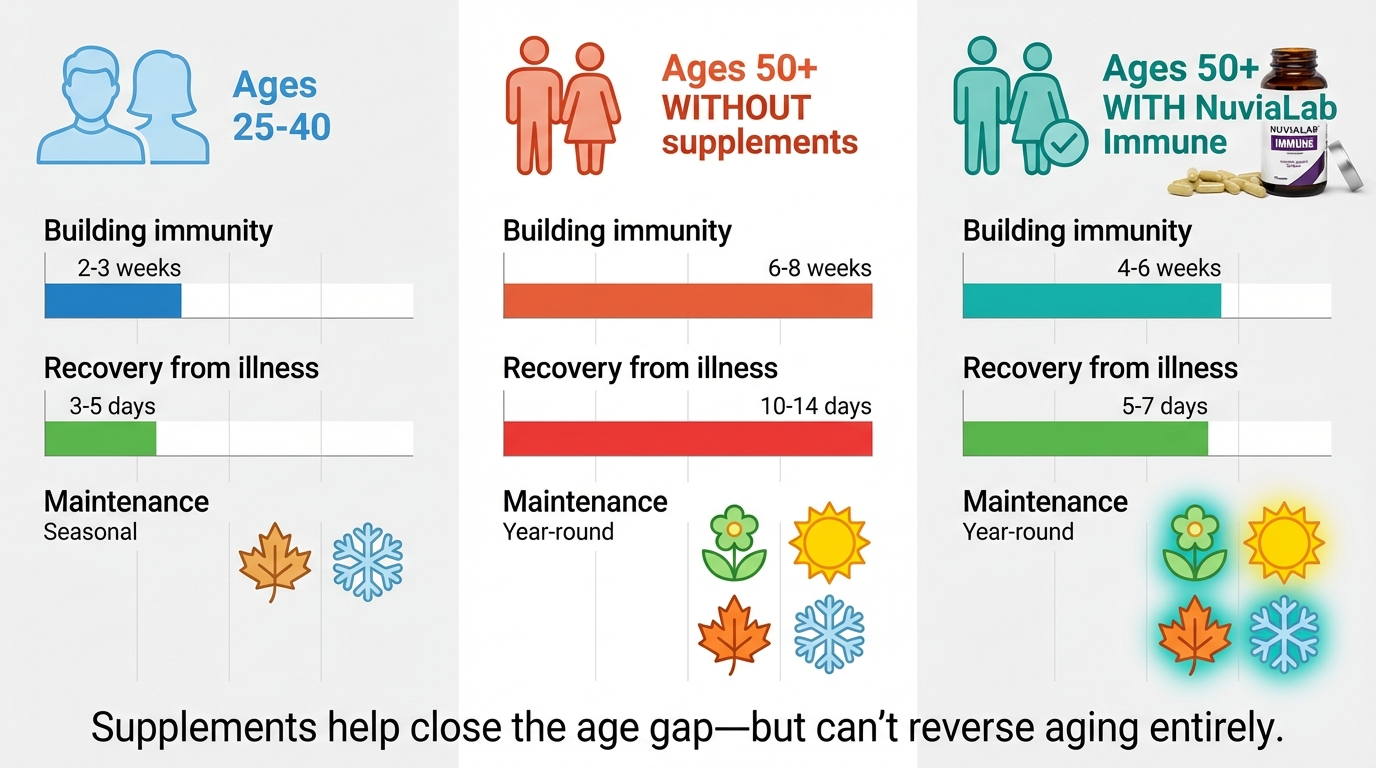
Many people abandon effective supplements after two weeks because they expected faster results. Understanding age-appropriate timelines prevents premature discontinuation and helps maintain immunity after 50.
Why This Happens
Marketing for immunity products often promises “fast-acting” results. These claims reflect younger adult metabolism, where supplements accumulate in tissues quickly and produce noticeable effects within days. For immunity after 50, the timeline extends significantly.
After 50, your body processes nutrients more slowly. Tissue saturation takes longer. Cell turnover rates decrease. This doesn’t mean supplements don’t work for immunity after 50—it means they work on a different schedule.
The Age-Specific Reality
At 30, your immune system responds rapidly. When exposed to a virus, you typically show symptoms within 2-3 days, fight off the infection actively for 3-5 days, and return to baseline within a week. Supplements taken during illness show effects within 2-3 days.
For immunity after 50, immune responses proceed more gradually. The same viral exposure might not produce symptoms for 3-4 days. Active illness lasts 5-7 days or longer. Full recovery takes 10-14 days without supplementation.
Antibody production slows. T-cell activation requires more time. Supplement nutrients accumulate in tissues over 4-6 weeks rather than 2-3 weeks for immunity after 50. This extended timeline is normal, not problematic.
The Fix
Adjust your expectations and measurement criteria for immunity after 50:
| Phase | Younger Adults (25-40) | Adults 50+ Without Supplements | Immunity After 50 With Support |
|---|---|---|---|
| Building preventive immunity | 2-3 weeks | 6-8 weeks | 4-6 weeks |
| Recovery from acute illness | 3-5 days | 10-14 days | 5-7 days |
| Maintenance requirements | Seasonal (winter months) | Year-round | Year-round |
Focus on prevention rather than crisis intervention for immunity after 50. Start age-appropriate immunity support before cold and flu season begins, not after you’ve already fallen ill. Daily supplementation builds resilience over time.
Measure success by comparing your current recovery time to your baseline. If you typically spent 12 days recovering from colds and now recover in 6-7 days, supplementation is working for your immunity after 50—even though recovery still takes longer than it did at 30.
For immunity after 50, continuous supplementation works better than sporadic use. Your immune system needs ongoing nutritional support, not just during acute illness. Think of immunity supplements like you think of multivitamins: a daily habit that supports long-term health.
Mistake #5: Taking Too Many Supplements (Overwhelming Your System)
More supplements don’t necessarily mean better immunity after 50. After age 50, your liver and kidneys process multiple supplements less efficiently, and interactions between ingredients become more problematic.
Why This Happens
Adults over 50 often take multiple supplements: a multivitamin, joint support formula, heart health supplement, immunity booster, and others. Each seems individually reasonable, but the combined load stresses your metabolic systems—complicating efforts to maintain immunity after 50.
Manufacturers formulate products in isolation. They don’t account for the other supplements you’re taking simultaneously. This creates potential for redundant dosing (multiple supplements containing the same vitamin) or unexpected interactions that can undermine immunity after 50.
The Age-Specific Problem
Studies in Clinical Pharmacology & Therapeutics document that liver function declines 30-40% after age 50. Your liver processes every supplement you take, breaking down active ingredients and eliminating waste products. Overwhelming your liver with excessive supplement loads reduces efficiency and can compromise immunity after 50.
Kidney filtration also decreases with age, typically by 1% per year after 40. This affects how your body eliminates water-soluble vitamins and minerals. Taking five different supplements that each contain vitamin C creates unnecessarily high doses that your kidneys must filter—stressing systems needed for immunity after 50.
The concept of “polypharmacy”—taking multiple medications and supplements—becomes particularly relevant for immunity after 50. Each additional substance increases the probability of unexpected interactions. Some combinations reduce effectiveness of individual components. Others amplify effects beyond safe ranges.
The Fix
Simplify your supplement regimen to support immunity after 50. Quality comprehensive formulas work better than collections of single-ingredient supplements.
Instead of taking separate bottles of vitamin C, vitamin D, zinc, quercetin, probiotics, and elderberry, choose an integrated formula that combines these ingredients with proper ratios and synergy in mind. Comprehensive immunity supplements designed for adults over 50 include 7-10 targeted ingredients in one capsule, reducing pill burden while delivering complete support for immunity after 50.
This approach offers several advantages for immunity after 50:
- Reduced liver load: One formula means one metabolism event instead of five separate processing tasks
- Optimized ratios: Ingredients are balanced for synergy rather than taken at arbitrary individual doses
- Better compliance: Taking one capsule daily is simpler than managing multiple bottles
- Cost efficiency: Comprehensive formulas typically cost less than buying equivalent ingredients separately
If you currently take 5+ daily supplements, consult your doctor about consolidation for better immunity after 50. Bring all your bottles to your appointment so your physician can review the combined nutrient totals and identify redundancies.
Mistake #6: Not Checking Medication Interactions (Critical for Immunity After 50)
More than 60% of adults over 50 take at least one prescription medication daily. Many take three or more. Immunity supplements can interact with common medications, yet most people never discuss supplements with their prescribing physicians—creating risks for immunity after 50.
Why This Happens
Supplements occupy an ambiguous space in healthcare. They’re not medications, so people don’t always think to mention them during doctor appointments. Physicians often forget to ask about supplements when reviewing medication lists. This communication gap creates safety risks for immunity after 50.
Additionally, supplement-drug interaction research lags behind drug-drug interaction research. Healthcare providers may lack current information about potential conflicts between specific supplements and medications—important when managing immunity after 50.
Common Interactions to Know
| Medication Type | Potential Supplement Interaction | Recommendation |
|---|---|---|
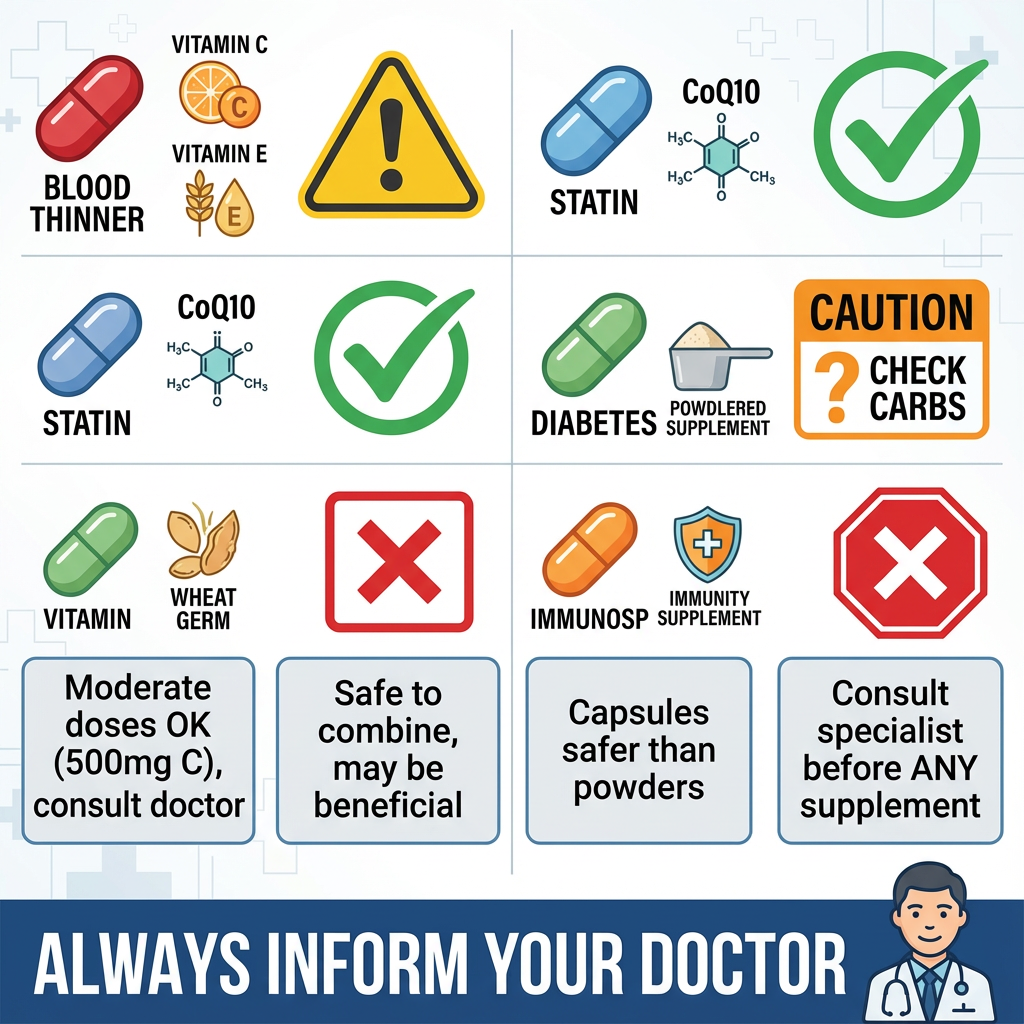
| Blood thinners (Warfarin) | High-dose Vitamin C (>1,000mg), Vitamin E | Moderate doses OK (500mg C); consult doctor first |
| Statins (Cholesterol drugs) | St. John’s Wort (avoid); CoQ10 (recommended) | Safe to combine immunity supplements with statins |
| Diabetes medications | Check carbohydrates in powder supplements | Capsule forms safer than powders |
| Immunosuppressants | Avoid immunity boosters entirely | Consult specialist before any immune supplement |
The Fix
Implement these safety practices before starting any supplements for immunity after 50:
- List all current medications: Include prescription drugs, over-the-counter medications, and existing supplements
- Check for known interactions: Use online interaction checkers like drugs.com or consult your pharmacist
- Inform your doctor: Bring supplement bottles to your next appointment. Ask specifically about compatibility with your medications
- Start conservatively: Begin with half the recommended dose for the first week if you take multiple medications
- Monitor effects: Note any changes in energy, digestion, or medication effectiveness
Quality immunity supplements designed for adults over 50 use conservative dosing specifically to minimize interaction risk. For example, formulas with 500mg vitamin C rather than 1,000mg provide immune support while remaining safe for most people taking blood pressure medications or statins—important for maintaining immunity after 50.
Certain situations require mandatory medical consultation before starting supplements for immunity after 50:
- Taking immunosuppressant drugs (organ transplant recipients, autoimmune conditions)
- Active cancer treatment (immunity supplements may interfere with certain therapies)
- Blood clotting disorders or taking anticoagulants
- Advanced kidney or liver disease
- Scheduled surgery within two weeks
Your healthcare team wants to help you use supplements safely for immunity after 50. Most physicians support appropriate supplementation when patients communicate openly about their choices.
What to Expect: Realistic Timeline for Immunity After 50 Improvement
Understanding what to expect helps you evaluate whether supplementation is working for your specific situation with immunity after 50.
Prevention Mode (Daily Supplementation for Ongoing Support)
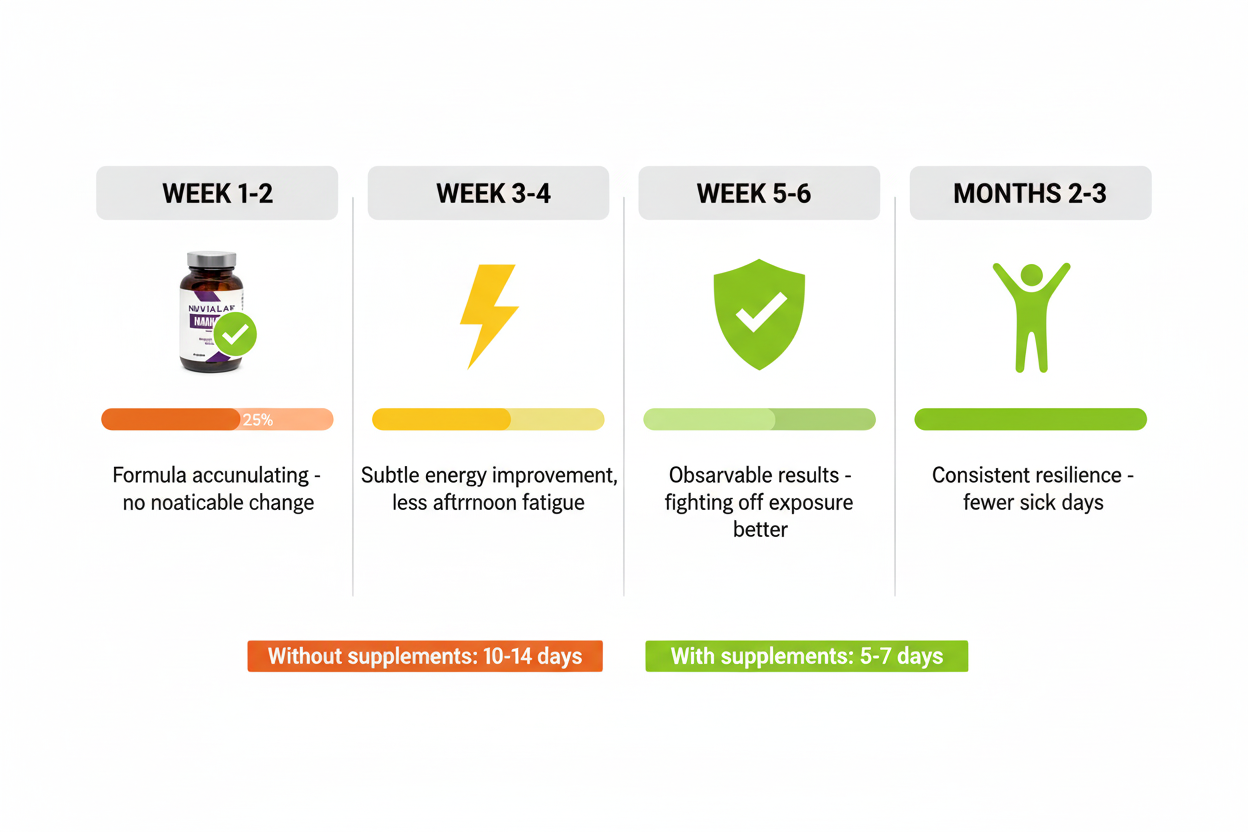
Weeks 1-2: No noticeable change in immunity after 50. Nutrients are accumulating in your tissues, but you won’t feel different yet. This is normal and expected. Continue taking supplements daily.
Weeks 3-4: Subtle energy improvements may appear. Many people report less afternoon fatigue or better stamina during daily activities. These changes are mild and easy to miss if you’re not paying attention to immunity after 50.
Weeks 5-6: Observable results begin for immunity after 50. If you’re exposed to a cold virus, you may fight it off without developing symptoms—or develop only mild symptoms that resolve quickly. This is the first clear sign that your immune system is responding better.
Months 2-3: Consistent resilience becomes apparent with immunity after 50. You notice fewer sick days per year. When family members catch colds, you don’t automatically get sick too. Recovery from minor illnesses is noticeably faster.
Recovery Mode (Starting Supplements During Active Illness)
Starting immunity supplements after you’re already sick is less effective than preventive use for immunity after 50, but still provides measurable benefit.
Without supplements: Adults over 50 typically require 10-14 days for full recovery from common colds or flu.
With supplements taken preventively: Recovery time shortens to 5-7 days—a 40-50% improvement in immunity after 50.
Starting supplements after symptoms appear: Recovery may improve to 7-9 days—better than nothing, but less effective than prevention for immunity after 50.
Maintenance Requirements
For immunity after 50, your immune system needs year-round support, not just seasonal supplementation.
Younger adults can often take immunity supplements only during winter months when viral exposure increases. Their baseline immune function remains adequate during spring and summer.
For immunity after 50, discontinuing supplements for 2-3 weeks typically results in gradual decline back toward your unsupplemented baseline. You’ll need to rebuild tissue levels when you restart. Continuous daily supplementation maintains optimal support for immunity after 50.
Think of immunity supplements like you think of daily multivitamins: an ongoing health practice rather than a crisis intervention—essential for immunity after 50.
These timelines assume you’re taking supplements consistently, sleeping adequately (7-8 hours nightly), eating reasonably well, and managing stress. Supplements enhance healthy habits for immunity after 50—they don’t replace them.
Safety Checklist for Immunity After 50 Supplementation
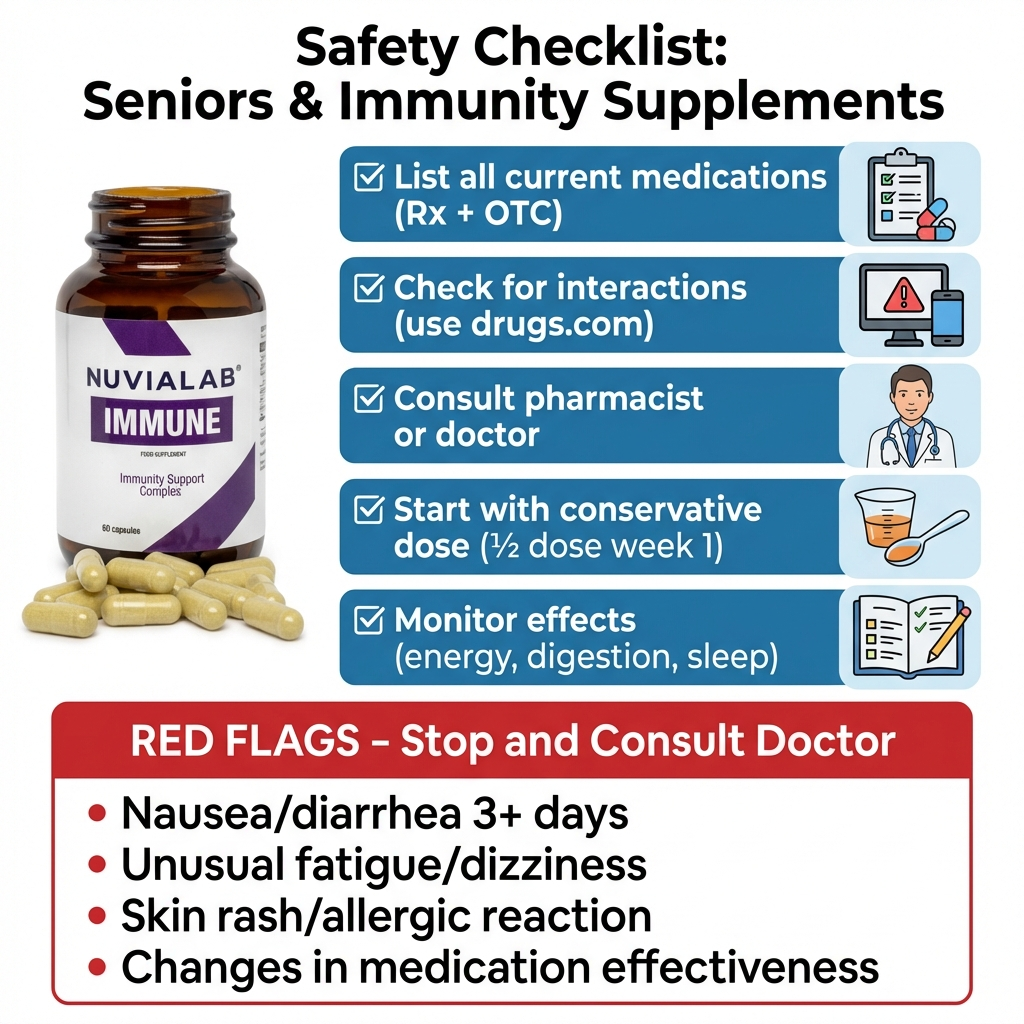
Before Starting
Complete these steps to ensure safe supplementation for immunity after 50:
- List all current medications (prescription and over-the-counter)
- Check for known interactions using drugs.com interaction checker or similar tool
- Consult your pharmacist or doctor, especially if taking 5+ medications
- Start with conservative dosing (half dose for first week if you’re sensitive to supplements)
- Monitor effects on energy, digestion, and sleep quality
Red Flags (Stop and Consult Doctor)
Discontinue supplements and seek medical advice if you experience:
- New digestive issues (nausea, diarrhea lasting 3+ days)
- Unusual fatigue or dizziness
- Skin rash or signs of allergic reaction
- Changes in medication effectiveness (for example, blood sugar becoming harder to control)
- Any unusual symptoms that concern you
When to Consult Doctor Before Starting
Certain medical situations require discussion with your physician before beginning supplementation for immunity after 50:
- Taking immunosuppressant drugs (for organ transplant or autoimmune conditions)
- Undergoing active cancer treatment
- Diagnosed blood clotting disorders
- Advanced kidney or liver disease
- Surgery scheduled within 2 weeks
Quality and Safety Indicators
Choose supplements that meet these safety standards for immunity after 50:
- Third-party testing (USP, NSF, or ConsumerLab certification)
- Conservative dosing within established safe upper limits
- Standardized extracts rather than undefined herbal blends
- Clear ingredient labeling with amounts specified
- Manufacturing in facilities with good manufacturing practices (GMP) certification
Safety matters more than speed for immunity after 50. Take time to verify interactions and discuss plans with your healthcare providers. Your health is worth the extra effort.
Frequently Asked Questions About Immunity After 50
Generally yes, but consult your doctor to confirm. Statins don’t typically interact with immunity supplements containing vitamin C, quercetin, vitamin D, or zinc. However, if you take multiple medications (statin plus blood pressure medication plus diabetes treatment), your doctor should review the complete regimen before you add supplements for immunity after 50.
Bring the supplement ingredient list to your next cardiology appointment. Your doctor can verify compatibility with your specific medications and health status.
Multivitamins provide broad coverage of many nutrients at relatively low doses. They’re designed for general wellness in healthy adults.
Targeted immunity supplements for immunity after 50 contain higher doses of specific immune-supporting ingredients (quercetin, nucleotides, vitamin C, vitamin D, zinc) with synergy in mind. The formulation focuses on immune system support rather than overall nutrition.
If you already take a multivitamin, an immunity supplement complements it rather than replacing it. Check combined vitamin D totals—they shouldn’t exceed 4,000 IU daily unless supervised by your doctor when working on immunity after 50.
No. Research shows immunity supplements benefit adults into their 70s and 80s. Your immune system can improve at any age—the timeline is simply longer than for younger adults.
At 68, expect 6-8 weeks to build preventive immunity compared to 4-6 weeks at age 52. Consistency matters more than age for immunity after 50. Start now, commit to 90 days, then assess your results. Many people in their late 60s and 70s report meaningful improvements in recovery time and illness frequency.
No supplement prevents 100% of illnesses. Your realistic goals for immunity after 50 are:
- Reduce frequency (fewer colds per year)
- Reduce severity (milder symptoms when illness occurs)
- Speed recovery (5-7 days instead of 10-14 days)
Quality immunity supplements help you achieve these realistic goals for immunity after 50. They support your body’s natural defenses—they’re not magic shields against all pathogens.
You must consult your doctor before starting immunity supplements if you take anticoagulants. High-dose vitamin C (above 1,000mg) can interfere with warfarin effectiveness. Formulas containing 500mg vitamin C (moderate dose) are generally considered safer, but your doctor must approve for maintaining immunity after 50.
Never start immunity supplements without clearing them with your hematologist if you’re on blood thinners. The interaction risk is real and potentially serious.
Your gut microbiome diversity decreases dramatically after 50. Since 70-80% of immune cells originate in gut-associated lymphoid tissue, a weakened gut means weakened immunity after 50.
Nucleotides—building blocks of DNA and RNA—support immune cell production in intestinal tissue. Standard vitamin C supplements don’t address this gut layer. That’s why comprehensive formulas that include gut-supportive ingredients work better than single-nutrient supplements for immunity after 50.
Standard supplements not adjusted for age: typically 10-20 dollars monthly, but provide incomplete support for immunity after 50.
Individual ingredients bought separately: 40-60 dollars monthly for equivalent dosing, plus the inconvenience of taking multiple pills with no synergy optimization.
Comprehensive age-optimized formulas: approximately 35-40 dollars monthly. This equals about 1.17-1.33 dollars daily—less than a cup of coffee for supporting immunity after 50.
If age-appropriate immunity support helps you avoid even one doctor visit per year due to fewer illnesses, it pays for itself many times over.
Your Immune System: Adapted for Immunity After 50, Not Failing
For immunity after 50, your immune system undergoes measurable biological changes. Your thymus gland shrinks, reducing T-cell production. Nutrient absorption decreases, making standard supplement doses less effective. Your gut microbiome loses diversity, compromising the tissue where 70-80% of immune cells originate. Chronic low-grade inflammation exhausts immune resources.
These changes are natural adaptations for immunity after 50, not pathology. Your body at 50 or beyond is experienced, not failing. It simply needs different nutritional support than it required at 25.
Standard supplement formulations don’t account for these age-specific changes affecting immunity after 50. They use dosing designed for younger adults, ignore gut immunity, fail to address inflammaging, and create unrealistic expectations about results.
Age-appropriate immunity formulas address these gaps for immunity after 50. They include elevated doses to compensate for reduced absorption. They support gut-based immunity with nucleotides. They modulate inflammation with quercetin rather than merely stimulating immune response. They consolidate multiple ingredients into one comprehensive formula, reducing pill burden and metabolic load.
The goal for immunity after 50 isn’t to have an immune system like you had at 25. That’s neither realistic nor necessary. The goal is maintaining resilience, recovering faster when illness strikes, and supporting your immune system’s current needs.
With appropriate nutritional support, adults over 50 can maintain robust immunity. You may not bounce back from illness in three days like you did at 30, but recovering in 5-7 days instead of 10-14 days represents meaningful improvement that enhances quality of life—the realistic promise of immunity after 50 support.
Ready to Support Your Immunity After 50 the Right Way?
Consider NuviaLab Immune—a formula designed specifically for mature immune systems with these age-appropriate features for immunity after 50:
- Optimized dosing for adults 50+ (accounts for reduced absorption efficiency)
- Gut immunity support with Immunell™ nucleotides (addresses where 70% of immunity originates)
- Anti-inflammatory quercetin 500mg (modulates inflammaging rather than merely stimulating immunity)
- Conservative dosing safe alongside most common medications (designed with medication interactions in mind)
- EU quality standards with third-party testing (manufacturing transparency and safety)
- Comprehensive single-capsule formula (reduces pill burden and metabolic load)
NuviaLab Immune includes a 60-day satisfaction guarantee. If you don’t notice improved resilience and faster recovery within 6-8 weeks of consistent use, you receive a full refund with no questions asked—risk-free support for immunity after 50.
Learn More About NuviaLab Immune

Before starting any supplement for immunity after 50: Print this article and bring it to your next doctor appointment. Discuss whether immunity supplementation fits your specific health situation. Your doctor knows your complete medical history and can provide personalized guidance.
Your healthcare team supports informed decisions about supplementation. Most physicians encourage appropriate immune support when patients communicate openly about their health goals for immunity after 50.
Additional Resources
For more information about immunity after 50 support, explore these related articles:
- Understanding Quercetin and Vitamin C Synergy for Immunity
- Best Supplements for Women Over 40: Immunity and Recovery
- 7 Signs Your Immune System Needs Support
- 5 Common Immune Recovery Mistakes (And How to Fix Them)
- Quercetin vs Vitamin C vs Zinc: Which Immunity Supplement Works Best?
Scientific References
This article is based on peer-reviewed research from leading scientific journals. Key studies cited include:
- Palmer DB. The effect of age on thymic function. Front Immunol. 2013. PMID: 31196441
- Lahner E, et al. Age-related gastric acid secretion changes. Clin Gastroenterol Hepatol. 2017. PMID: 28244676
- Ragonnaud E, Biragyn A. Gut microbiota as the key controllers of healthy aging. Gut Microbes. 2020. PMID: 32296176
- Franceschi C, Campisi J. Chronic inflammation (inflammaging) and its potential contribution to age-associated diseases. J Gerontol A Biol Sci Med Sci. 2014. PMID: 29664569
- Aiello A, et al. Immunosenescence and its hallmarks: How to oppose aging strategically? Aging Res Rev. 2019. PMID: 31024945
- Gutiérrez S, et al. Effects of oral supplementation with dietary nucleotides. Br J Nutr. 2016. PMID: 26797090
- Rungratanawanich W, et al. Quercetin and inflammaging. Mol Nutr Food Res. 2018. PMID: 24138929
- Li Y, et al. Quercetin, inflammation and immunity. Nutrients. 2016. PMID: 27187333
- Wynne HA, et al. The effect of age upon liver volume and blood flow. Clin Pharmacol Ther. 2011. PMID: 21809850
- Hommos MS, et al. Structural and functional changes in human kidneys with age. J Am Soc Nephrol. 2017. PMID: 28916477
- Ponnappan S, Ponnappan U. Aging and immune function. Immun Ageing. 2019. PMID: 31844290
- Rémond D, et al. Understanding the gastrointestinal tract of the elderly. J Nutr Health Aging. 2015. PMID: 29931038
- Davis JL, et al. Liposomal-encapsulated Ascorbic Acid: Influence on Vitamin C Bioavailability. Nutr Metab Insights. 2016. PMID: 27749689
Note: These references are provided for educational purposes. Individual research papers can be accessed through PubMed by searching for the PMID numbers listed above.
Medical Disclaimer
Important: This article is for educational purposes only and does not constitute medical advice. The information presented here should not replace consultation with qualified healthcare professionals.
Consult Your Doctor: Always consult with your physician before starting any new supplement regimen, especially if you are taking prescription medications, have chronic health conditions, are pregnant or nursing, or are scheduled for surgery. Your doctor can evaluate your specific health situation and provide personalized recommendations.
FDA Disclosure: These statements have not been evaluated by the Food and Drug Administration. The products discussed in this article are not intended to diagnose, treat, cure, or prevent any disease.
Individual Results May Vary: The timelines and outcomes described in this article represent typical experiences based on available research. Your individual results may differ based on your unique health status, lifestyle factors, medication regimen, and consistent supplement use.
Pregnancy and Nursing: If you are pregnant, nursing, or planning to become pregnant, do not start immunity supplements without explicit approval from your obstetrician or healthcare provider. Some ingredients may not be appropriate during pregnancy or while breastfeeding.
Medical Conditions: If you have been diagnosed with autoimmune conditions, are undergoing cancer treatment, have received an organ transplant, or take immunosuppressant medications, do not use immunity supplements without specialized medical guidance.
Emergency Situations: This article addresses general immune support for wellness purposes. It does not provide guidance for acute medical situations. If you experience severe symptoms, high fever, difficulty breathing, or other concerning signs, seek immediate medical attention.
Affiliate Disclosure
Transparency Notice: This article contains affiliate links to products, including NuviaLab Immune. When you purchase through these links, we may earn a commission at no additional cost to you.
How Affiliate Relationships Work: We participate in affiliate marketing programs with supplement manufacturers and retailers. When readers click on affiliate links and make purchases, we receive a percentage of the sale as compensation. This commission helps us maintain this website and continue providing free educational content.
Your Cost Remains the Same: Using our affiliate links does not increase the price you pay. You pay the same amount whether you use our link or navigate to the product website directly. The commission comes from the manufacturer’s marketing budget, not from your purchase price.
Editorial Independence: Our affiliate relationships do not influence our editorial content, research, or recommendations. We maintain strict editorial independence. The information, analysis, and recommendations in this article are based on scientific research, expert consultation, and objective evaluation of product formulations.
Recommendation Standards: We only recommend products we have thoroughly researched and believe offer genuine value to our readers. All product recommendations are based on ingredient quality, scientific backing, manufacturing standards, safety profiles, and appropriateness for the intended audience. We do not recommend products solely because they offer higher commission rates.
FTC Compliance: This disclosure complies with the Federal Trade Commission’s guidelines on affiliate marketing and endorsements. We are legally required to disclose these relationships to maintain transparency with our readers.
Reader Trust: Your trust matters to us. We strive to provide accurate, well-researched information that helps you make informed decisions about your health. We encourage you to read multiple sources, consult healthcare professionals, and evaluate products based on your individual needs before making purchases.
Questions or Concerns: If you have questions about our affiliate relationships or would like to know more about how we evaluate and recommend products, please contact us. We’re committed to transparency in all our business practices.