
In today’s fast-paced American lifestyle, where food delivery apps bring restaurant meals to our doorsteps in minutes and snacking has become woven into our daily routines, managing what and how much we eat has never been more challenging. Between demanding work schedules, family responsibilities, and the constant availability of convenient but calorie-dense foods, many adults find themselves struggling with portion control, emotional eating, and persistent cravings that derail their health goals.

Weight management remains one of the most significant health concerns across the United States, with millions of adults seeking effective strategies to support healthier eating patterns. As people search for solutions, appetite suppressants have emerged as a popular option—ranging from prescription medications prescribed by physicians to over-the-counter products available at local pharmacies, and increasingly, natural dietary supplements formulated with plant-based ingredients.
This comprehensive guide explores the science behind appetite suppressants: how they influence hunger signals in your body, the different types available (from medical interventions to botanical formulas), their potential benefits and risks, and who should approach them with caution. We’ll examine the role of neurotransmitters and hormones in regulating hunger, compare prescription medications with natural alternatives, and discuss safe usage guidelines that prioritize your long-term health.
Beyond pharmaceutical options, many Americans are turning toward natural, fiber-based supplements that work through gentler mechanisms to support appetite awareness and satiety. Products like Crave Burner represent this growing category—combining scientifically-studied botanical extracts designed to promote feelings of fullness as part of a comprehensive lifestyle approach to healthy eating.
What Are Appetite Suppressants?
Definition and Purpose
Appetite suppressants encompass a broad category of substances—including medications, dietary supplements, and even certain whole foods—that influence your body’s hunger signals and satiety responses. Their primary purpose is to help reduce the frequency and intensity of hunger sensations, making it easier to consume fewer calories throughout the day without feeling deprived or constantly battling cravings.
People turn to appetite suppressants for several reasons:
Supporting calorie reduction: By decreasing hunger between meals and promoting earlier feelings of fullness during meals, these products can help create the caloric deficit necessary for weight management.
Managing emotional and stress-related eating: Many adults eat not from physical hunger but in response to stress, boredom, or emotional triggers. Appetite-support tools can help create space between the emotional trigger and the eating response.
Facilitating portion control: When satiety signals arrive sooner during a meal, it becomes naturally easier to eat smaller portions without conscious restriction.
Easing dietary transitions: When shifting from a diet high in processed foods to one centered on whole foods, or when adjusting portion sizes, appetite support can make the initial adjustment period more manageable.
It’s essential to understand that appetite suppressants work most effectively when integrated into a broader health strategy that includes balanced nutrition, regular physical activity, adequate sleep, and stress management. Individual responses vary significantly based on metabolism, current eating patterns, stress levels, and overall health status. Before starting any appetite suppressant, consult a qualified healthcare provider to ensure it aligns with your personal health needs and any existing medications.
While appetite suppressants range from prescription medications requiring medical supervision to over-the-counter products found in drugstores, natural dietary supplements like Crave Burner represent another category—combining plant-based ingredients specifically selected to support satiety and healthy appetite awareness through botanical mechanisms rather than pharmaceutical intervention.
How Appetite Suppressants Work in the Body
Impact on Brain Signals (Neurotransmitters)
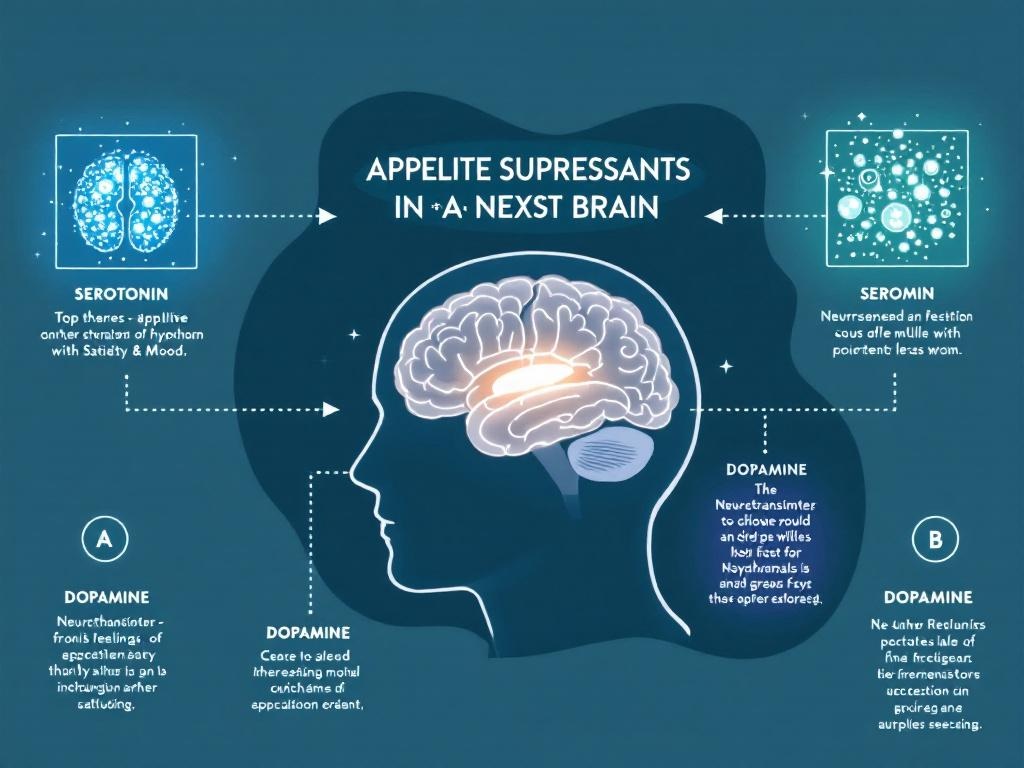
Understanding how appetite suppressants function requires a look at the brain’s hunger control center: the hypothalamus. This small but powerful region processes signals from throughout your body and determines when you feel hungry or satisfied. The hypothalamus relies heavily on chemical messengers called neurotransmitters to regulate appetite.
Serotonin plays a central role in both mood regulation and satiety signaling. Higher serotonin activity in certain brain regions is associated with feeling satisfied after eating and reduced interest in food between meals. Some prescription appetite suppressants are specifically designed to increase serotonin availability in the brain, essentially amplifying the “I’m full” signal. This is why certain antidepressants that affect serotonin can also influence appetite as a side effect.
Dopamine is intimately connected to your brain’s reward system and plays a significant role in food cravings, particularly for sweet and highly processed foods. When you eat something pleasurable, dopamine is released, creating a rewarding sensation that your brain wants to repeat. Appetite suppressants that influence dopamine pathways can reduce the intensity of food cravings and the compulsive desire to eat for pleasure rather than hunger.
Norepinephrine is involved in your body’s stress response and has appetite-suppressing effects. It’s part of the “fight or flight” system that, when activated, temporarily reduces hunger (think about how stress can kill your appetite). Some prescription stimulant medications increase norepinephrine levels, creating an appetite-suppressing effect, though this mechanism can also produce side effects related to increased nervous system activity.
It’s important to note that natural, fiber-based supplements like Crave Burner do NOT primarily work by altering these neurotransmitter systems. Instead, they employ different mechanisms focused on physical satiety and digestive processes, which we’ll explore in the next section. This distinction is significant because it generally results in a different side-effect profile—natural supplements typically don’t produce the nervous system stimulation associated with medications that directly affect brain chemistry.
Hormonal Influences on Hunger
Beyond neurotransmitters in the brain, your appetite is powerfully regulated by hormones—chemical messengers produced by various organs that communicate your body’s nutritional status.
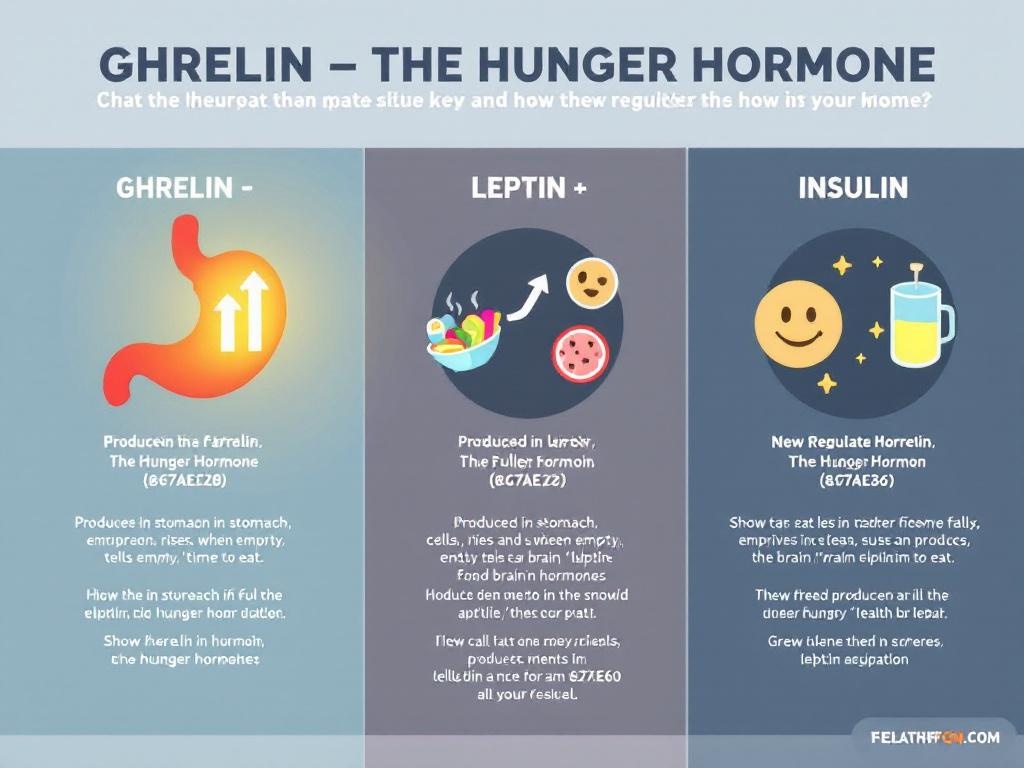
Ghrelin, often called the “hunger hormone,” is produced primarily in your stomach. When your stomach is empty, ghrelin levels rise, sending signals to your brain that it’s time to eat. After you consume a meal, ghrelin levels drop, and hunger sensations diminish. Factors like sleep deprivation and chronic stress can dysregulate ghrelin production, leading to increased hunger even when your body doesn’t need additional calories.
Leptin, the “fullness hormone,” is produced by fat cells and signals to your brain that you have adequate energy stores. In a well-functioning system, leptin helps you feel satisfied and reduces the drive to eat. However, many people develop what’s called “leptin resistance,” where the brain doesn’t respond appropriately to leptin’s signals, resulting in persistent hunger despite adequate or excess body fat.
Insulin, best known for regulating blood sugar, also plays a significant role in appetite control. When you eat, especially foods containing carbohydrates, your blood sugar rises, triggering insulin release to help cells absorb that sugar for energy. Stable insulin levels throughout the day help prevent the energy crashes and intense cravings that often lead to snacking on high-calorie foods. Conversely, blood sugar spikes followed by crashes can create a cycle of hunger and overeating.
This hormonal system is where plant-based, fiber-rich supplements like Crave Burner primarily exert their effects. Rather than altering brain chemistry, these formulas work through physical and metabolic mechanisms that influence these hunger hormones.
Prickly pear extract (Opuntia) is exceptionally high in soluble fiber. Research has demonstrated that Opuntia fiber can help support healthy appetite regulation. A comprehensive 2024 review published in the journal Nutrients examined multiple studies on Opuntia species and their role in obesity management, noting that the fiber content promotes feelings of fullness and may help reduce overall calorie intake.[^1] When consumed with adequate water, the fiber expands in the digestive tract, creating physical volume that triggers satiety signals.
Carob extract, particularly the CSAT+ form used in quality supplements, is rich in soluble fiber and has been traditionally used for centuries in Mediterranean cultures. Modern research suggests that carob fiber can extend feelings of fullness after meals. According to research highlighted by Pharmactive, a leading botanical ingredient supplier, carob’s unique fiber composition may help slow gastric emptying—the rate at which food leaves your stomach—thereby prolonging satiety between meals.[^2] Additionally, a 2022 review in Frontiers in Nutrition positioned carob as a “sustainable opportunity for metabolic health,” noting its potential to support healthy metabolic markers when incorporated into a balanced diet.[^3]
Gymnema sylvestre is an herb with a fascinating dual action. First, it has been studied for its potential to support healthy insulin responses and blood sugar levels already within the normal range. A 2022 study published in the Journal of Functional Foods found that a 14-day intervention with Gymnema sylvestre helped reduce sugar cravings in participants, suggesting it may help break the cycle of sweet-food cravings that often sabotage healthy eating efforts.[^4] Additionally, Oregon State University researchers have noted that Gymnema may help stabilize blood sugar naturally, which in turn can reduce the energy crashes that trigger snacking.[^5] The herb’s traditional name in Hindi, “gurmar,” literally means “sugar destroyer,” referring to its unique property of temporarily reducing the perception of sweetness on the tongue.
Plant-based ingredients like those found in products such as Crave Burner work by expanding in the stomach, slowing the transit of food through the digestive system, and promoting extended feelings of fullness. Gymnema sylvestre adds another dimension by potentially supporting healthy blood sugar responses and reducing cravings for sweets. Together, these ingredients aim to support appetite awareness and help reduce calorie intake through satiety mechanisms rather than nervous system stimulation.
Types of Appetite Suppressants
Natural Appetite Suppressants
Foods and Herbs That Help Curb Hunger
Before turning to supplements or medications, it’s worth recognizing that certain whole foods and herbs have natural appetite-suppressing properties and have been used for centuries in various cultures to support satiety.
Fiber-rich foods form the foundation of natural appetite control. Foods like whole grains (oats, quinoa, brown rice), legumes (lentils, chickpeas, black beans), vegetables, and seeds are high in dietary fiber, which slows digestion and promotes feelings of fullness. Fiber also supports healthy gut bacteria, which emerging research suggests may play a role in appetite regulation.
Green tea contains both caffeine and catechins (particularly EGCG), compounds that may support metabolism and provide mild appetite-suppressing effects. The combination of these compounds can create a gentle thermogenic effect while potentially reducing hunger sensations, though effects are typically modest.[^6]
Cayenne pepper contains capsaicin, the compound responsible for its heat. Research suggests that capsaicin may help reduce appetite and increase feelings of fullness, particularly by reducing cravings for fatty and sweet foods. Some studies indicate it may also have a mild thermogenic effect, slightly increasing calorie expenditure.[^6]
Fenugreek is an herb commonly used in Indian cuisine and traditional medicine. Its seeds are particularly high in soluble fiber, which can slow digestion and promote satiety. Some research suggests fenugreek may also help support healthy blood sugar levels.
Prickly pear (Opuntia) is a cactus fruit that’s nutrient-dense and exceptionally high in fiber. Beyond its fiber content, prickly pear contains various phytonutrients that may support metabolic health. Studies have shown that Opuntia can help promote feelings of fullness and may support healthy lipid profiles.[^1]
Carob has been used for thousands of years around the Mediterranean as both a food and a traditional remedy. Rich in fiber and naturally sweet, carob provides a satisfying taste while delivering satiety-promoting fiber. Unlike chocolate, which it’s often compared to, carob is naturally caffeine-free.[^7]
It’s important to note that while these foods and herbs can support appetite control, they work best as part of a varied, nutrient-dense diet rather than as isolated “magic bullets.” Individual responses vary, and these natural options should be viewed as supportive tools within a comprehensive approach to healthy eating.
Natural Dietary Supplements
Beyond whole foods, several single-ingredient dietary supplements have gained popularity for appetite support:
Glucomannan is a soluble fiber extracted from the root of the konjac plant. It’s one of the most viscous dietary fibers known, capable of absorbing many times its weight in water. When taken before meals with adequate water, glucomannan expands in the stomach, creating a sense of fullness. Several studies have examined its potential role in supporting weight management when combined with a calorie-controlled diet.
Garcinia cambogia is a tropical fruit extract that contains hydroxycitric acid (HCA). It has been marketed extensively for weight loss, with claims that it inhibits fat production and reduces appetite. However, research results have been mixed, with some studies showing modest effects and others finding no significant difference compared to placebo.
5-HTP (5-Hydroxytryptophan) is an amino acid that serves as a precursor to serotonin. Some people use it to support mood and reduce appetite, based on serotonin’s role in satiety signaling. However, 5-HTP can interact with certain medications, particularly antidepressants, and should only be used under medical supervision.
Apple cider vinegar has been traditionally used for various health purposes, including appetite control. Some research suggests that the acetic acid in vinegar may help promote feelings of fullness and support healthy blood sugar responses after meals, though effects are generally modest.
While single-ingredient supplements can be helpful for some individuals, many modern formulations take a different approach: combining several complementary ingredients to provide broader, synergistic support for appetite control.
Multi-Ingredient, Fiber-Based Supplements (e.g., Crave Burner)
The concept behind multi-ingredient appetite-support supplements is that different botanical compounds can work through complementary mechanisms, potentially providing more comprehensive support than any single ingredient alone.
A well-designed multi-ingredient formula might combine:
- Fiber sources for mechanical satiety (physical fullness in the stomach)
- Plant extracts that support hormonal and metabolic pathways involved in appetite regulation
- Botanical compounds that specifically address cravings, particularly for sweet foods
Crave Burner exemplifies this multi-ingredient approach, combining three key botanical components that work through different but complementary mechanisms:
Prickly pear extract (Opuntia) provides high-quality soluble fiber that expands when mixed with water, creating physical volume in the stomach that promotes satiety signals. Research has demonstrated that Opuntia can support healthy appetite regulation and may help reduce overall calorie intake when used as part of a balanced diet.[^1] Beyond fiber, prickly pear contains betalains and other phytonutrients that contribute to its overall health-supporting properties.
Carob extract (CSAT+) offers a unique fiber profile that promotes extended feelings of fullness. The CSAT+ form represents a standardized, research-backed carob extract that has been specifically studied for its role in weight management. According to research by Pharmactive, carob’s fiber can help slow gastric emptying, meaning food stays in your stomach longer, extending the period of satiety between meals.[^2] A 2022 review also noted carob’s potential to support healthy metabolic markers, including blood sugar and lipid profiles.[^3]
Gymnema sylvestre adds a unique dimension by specifically addressing sugar cravings and supporting healthy blood sugar responses. A 2022 clinical study found that participants taking Gymnema sylvestre for just 14 days experienced significant reductions in sugar cravings compared to a control group.[^4] Additionally, Gymnema has been studied for its potential to support healthy insulin function, which can help prevent the blood sugar fluctuations that often trigger snacking and cravings.[^5]
When taken with water before meals, the fibers in formulas like Crave Burner expand in the stomach, creating a gel-like texture that promotes a sense of fullness. This physical mechanism, combined with Gymnema’s effects on sugar cravings and blood sugar stability, may help users feel satisfied with smaller portions and reduce overall calorie intake throughout the day.
It’s important to emphasize that results vary significantly from person to person, depending on factors like current diet quality, stress levels, sleep patterns, and individual metabolism. Multi-ingredient supplements like Crave Burner work best when combined with a balanced diet rich in whole foods, regular physical activity, adequate sleep, and effective stress management strategies. They should complement healthy habits, not replace them.
Learn more about Crave Burner’s formula and ingredient sourcing
Medical Appetite Suppressants
Prescription Medications
For individuals with significant weight management challenges, particularly those with obesity-related health conditions, prescription appetite suppressants may be appropriate under medical supervision. These medications work through more direct and potent mechanisms than natural supplements.
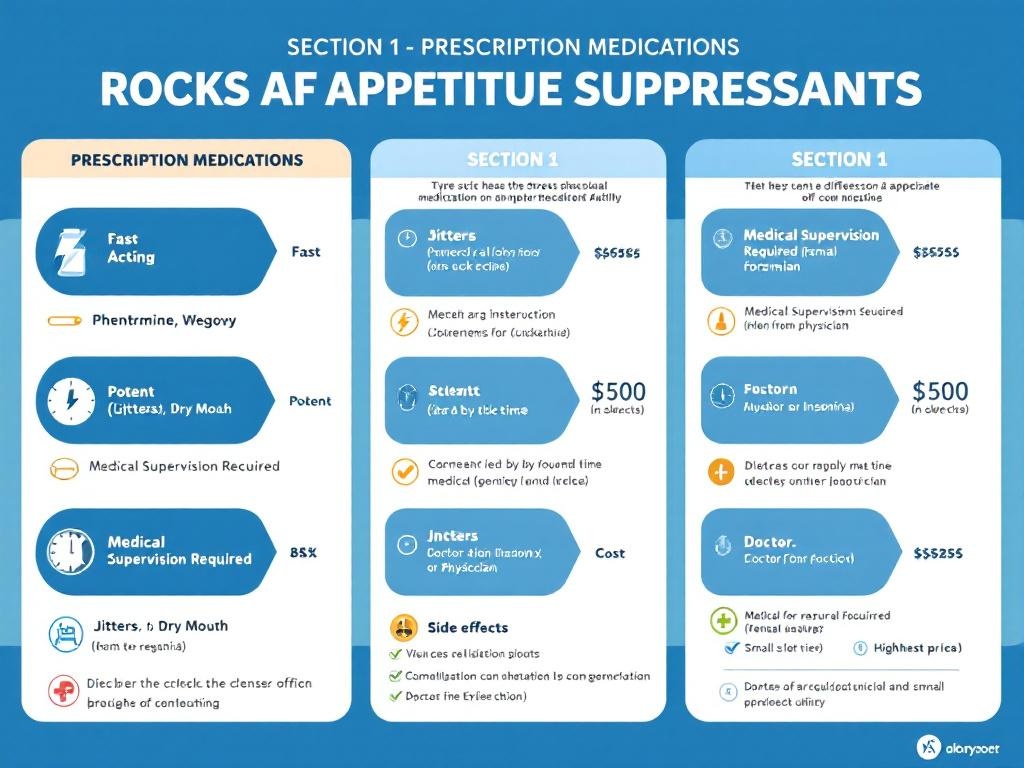
Phentermine is one of the oldest and most widely prescribed appetite suppressants in the United States. It belongs to a class of drugs called sympathomimetic amines, which work by increasing the release of norepinephrine in the brain. This creates a stimulant effect that suppresses appetite and increases energy expenditure. Phentermine is typically prescribed for short-term use (12 weeks or less) due to concerns about tolerance and potential cardiovascular effects. Common side effects include dry mouth, insomnia, increased heart rate, and nervousness. It’s not appropriate for people with cardiovascular disease, uncontrolled hypertension, or hyperthyroidism.[^8]
Liraglutide (Saxenda) represents a different class of medications called GLP-1 receptor agonists. GLP-1 (glucagon-like peptide-1) is a naturally occurring hormone that regulates appetite and blood sugar. Liraglutide mimics this hormone, binding to GLP-1 receptors in the brain to reduce hunger and promote feelings of fullness. It’s administered as a daily injection and is approved for chronic weight management in adults with obesity or overweight with at least one weight-related condition. Common side effects include nausea, diarrhea, constipation, and potential injection-site reactions. Because it affects blood sugar, it requires careful monitoring, especially in people with diabetes.[^8]
Contrave is a combination medication containing naltrexone (an opioid antagonist) and bupropion (an antidepressant). Together, these drugs act on brain circuits involved in appetite regulation and reward processing. The combination is thought to reduce cravings and emotional eating while promoting feelings of fullness. Side effects can include nausea, constipation, headache, dizziness, and increased blood pressure. It’s contraindicated for people with uncontrolled hypertension, seizure disorders, or those taking opioid medications.[^8]
Semaglutide (Wegovy) is a newer GLP-1 receptor agonist similar to liraglutide but with a longer duration of action, requiring only weekly injections. It has shown significant effectiveness in clinical trials, with many participants achieving substantial weight loss when combined with lifestyle modifications. However, it has become difficult to obtain due to high demand and manufacturing constraints. Side effects are similar to liraglutide, primarily gastrointestinal in nature, and it requires medical monitoring throughout treatment.[^9]
All prescription appetite suppressants require ongoing medical supervision, regular monitoring of side effects and effectiveness, and should be combined with comprehensive lifestyle modifications including diet, exercise, and behavioral counseling. Consult your healthcare provider to discuss whether prescription options are appropriate for your specific health situation.
Over-the-Counter (OTC) Options
Several over-the-counter products are marketed for appetite suppression, though they generally have milder effects than prescription medications:
Caffeine-based products are among the most common OTC appetite suppressants. Caffeine can provide temporary appetite suppression and a mild increase in metabolism. However, effects are typically short-lived, tolerance develops quickly, and excessive caffeine intake can cause jitteriness, sleep disruption, and increased anxiety.
Conjugated Linoleic Acid (CLA) is a naturally occurring fatty acid found in dairy products and beef. It’s been studied for its potential role in supporting weight management and body composition, though research results have been mixed. Some studies show modest effects, while others find no significant difference compared to placebo.
It’s important to recognize that OTC products generally have lower potency and shorter-lasting effects compared to prescription medications, though they offer better accessibility and typically fewer serious side effects.
Comparison: Prescription Medications vs. Natural Supplements
| Aspect | GLP-1 Medications (Wegovy) | Stimulant Prescriptions (Phentermine) | Multi-Ingredient Natural Supplements (Crave Burner) |
|---|---|---|---|
| Mechanism | Mimic appetite-regulating hormones | Increase brain stimulation/norepinephrine | Fiber + botanical extracts for satiety |
| Access | Prescription only; doctor supervision required | Prescription only; doctor supervision required | OTC; no prescription needed |
| Onset Time | 1-2 weeks | Few days | 30 minutes to 1 hour |
| Duration | Long-term (weeks between doses) | Short-term (12 weeks typical) | 2-4 hours per dose |
| Common Side Effects | Nausea, GI issues, injection reactions | Dry mouth, jitters, insomnia | Mild bloating, gas (usually temporary) |
| Dependency Risk | Low | Moderate to high | Very low |
| Cost Range (Monthly) | $900-$1,500+ | $50-$150 | $30-$60 |
| Best Suited For | Significant obesity; weight-related conditions | Short-term intervention; medical supervision | General appetite support; lifestyle enhancement |
Important Note: Natural supplements like Crave Burner offer a different approach—non-prescription, gentler, with a different side-effect profile. They may be appealing to adults who prefer to start with less intensive interventions before considering prescription options.
Potential Benefits of Appetite Suppressants
Weight Management and Craving Reduction
Appetite suppressants can support weight management through several interconnected mechanisms:
Lower calorie intake: Reduced hunger makes smaller portions feel satisfying, helping create the caloric deficit necessary for weight loss without constant struggle or deprivation.
Craving control: Especially the urge for sweets, processed foods, and high-calorie snacks—cravings that often sabotage healthy eating efforts, particularly during stressful times.
Portion control: Faster satiety signals encourage naturally smaller meals without requiring conscious willpower or restriction.
Someone might typically snack on high-calorie foods after work out of habit or stress. With appetite support, they may find those cravings reduced, making it easier to choose a healthier option or skip the snack altogether. Ingredients like Gymnema may specifically reduce sugar cravings,[^4] while fiber-rich components extend fullness after smaller meals,[^1] [^2] creating a more sustainable eating pattern.
Supporting Healthy Lifestyle Changes
When hunger feels less overwhelming, it becomes easier to stick with nutrient-dense meals and build lasting healthy habits. Some people use natural appetite-support supplements like Crave Burner during the initial weeks of adopting a new eating pattern, providing a bridge as their body adjusts to new portion sizes and food choices.
This support makes the transition more manageable, especially in the first 2-4 weeks when old eating patterns feel most ingrained. Rather than relying on willpower alone, appetite support allows the nervous system to recalibrate, making healthier choices feel natural rather than restrictive.
Potential Metabolic Health Support
When used as part of a comprehensive approach combining diet, exercise, and sleep, appetite suppressants may indirectly support metabolic wellness:
- Reduced overeating can contribute to more stable blood sugar levels over time
- Better meal composition naturally improves nutrient intake when smaller portions emphasize whole foods
- Consistent energy levels make it easier to maintain regular physical activity and quality sleep
It’s important to note that some ingredients in natural supplements have been studied for metabolic support beyond simple calorie reduction:
- Gymnema sylvestre may help support healthy insulin response when combined with balanced meals[^4][^5]
- Carob may help support healthy triglycerides and metabolic markers[^2][^3]
- Prickly pear may help support healthy lipid profiles[^1]
Critical disclaimer: When Crave Burner is used alongside a balanced diet and regular movement, its ingredients may help support stable blood sugar and metabolic wellness already within the normal range. We emphasize that supplements work as supportive tools within a broader health plan, not as treatments for metabolic disorders. Always consult your healthcare provider about your metabolic health goals.
Risks and Considerations
Common Side Effects
Side effects vary significantly by type of appetite suppressant:
For natural supplements (including Crave Burner):
- Temporary digestive adjustments (bloating, gas, loose stools)
- Usually mild and resolve within a few days as the body adapts
- Recommend starting with a lower dose and increasing gradually
- Drinking adequate water helps minimize these effects
For stimulant medications (Phentermine, caffeine-based products):
- Jitters, dry mouth, insomnia, increased heart rate
- More serious concerns for people with cardiovascular conditions
- Effects typically diminish with dose adjustment but may indicate need to discontinue
For GLP-1 medications:
- Nausea, gastrointestinal distress, potential injection-site reactions
- May improve over time as the body adjusts
- Requires medical monitoring
Because Crave Burner is based on plant fibers and extracts rather than stimulants, side effects, if any, are typically digestive rather than systemic. Some users experience temporary bloating when first starting, which usually diminishes within a few days as the digestive system adjusts to increased fiber intake. Drinking adequate water helps smooth this transition and is essential when using any fiber-based supplement.
Long-Term Risks and Overreliance
It’s critical to understand that appetite suppressants are TOOLS, not solutions:
For prescription stimulants: Risk of dependence, tolerance (requiring dose increases), and potential cardiovascular strain with prolonged use.
For any appetite suppressant: Risk of overreliance, potential for undereating, or ignoring genuine hunger cues that signal nutritional needs.
For supplements: Lower absolute risk than pharmaceuticals, but still important to use correctly and as directed.
The real foundation for sustained weight management is balanced diet, movement, sleep, and stress management. Even with a gentle, natural supplement like Crave Burner, it’s important not to treat it as a “magic pill.” The supplement should support better eating habits, not replace them. If you find yourself using it to eat far fewer calories than your body needs, or if you’re ignoring genuine hunger, consult your healthcare provider immediately.
Who Should Avoid Appetite Suppressants?
Certain populations should approach appetite suppressants with particular caution or avoid them entirely:
Pregnant or breastfeeding women: Higher nutritional needs during these periods mean appetite suppressants may interfere with proper nutrition delivery to growing babies or nursing infants.
People with a history of eating disorders: Appetite suppressants carry significant risk of triggering or worsening disordered eating patterns, even when used with best intentions.
Individuals with cardiovascular conditions (hypertension, heart disease, arrhythmias): Especially important to avoid stimulant-based options, which can increase heart rate and blood pressure.
Children and teenagers: Not recommended without explicit medical oversight, as developing bodies have different nutritional needs and hormonal systems.
People taking certain medications: Potential interactions with SSRIs, GLP-1 medications already being used, insulin, blood pressure medications, and others require careful medical evaluation.
Those with uncontrolled diabetes or blood sugar disorders: Blood sugar support from some supplements requires close monitoring.
Anyone with kidney, liver, or gastrointestinal disorders: May require dose adjustments or different products altogether.
Crave Burner, like all appetite-support supplements, is formulated for healthy adults. It is not intended for children, teenagers, pregnant or breastfeeding individuals, or anyone with a known eating disorder. If you have cardiovascular conditions, take prescription medications, or have any health concerns, consult your healthcare provider before starting Crave Burner or any dietary supplement.
How to Use Appetite Suppressants Safely
Consulting Healthcare Professionals
Before starting any appetite suppressant, consult a qualified healthcare provider (physician, nurse practitioner, physician assistant, or registered dietitian). This conversation should cover:
- Current medications and potential interactions
- Chronic health conditions and how they might be affected
- Weight-loss goals and timeline (realistic expectations)
- Dietary preferences and lifestyle habits
- Any history of eating disorders or disordered eating patterns
- Current stress levels and coping mechanisms
This conversation helps ensure the supplement fits your unique health profile and doesn’t conflict with your existing medical care.
Dos and Don’ts for Safe Use
Do:
- Start with the lowest effective dose to assess tolerance
- Pair the supplement with nutrient-dense meals (not as a substitute for food)
- Drink adequate water daily—essential with fiber-based supplements (aim for 8-10 glasses)
- Monitor how you feel: hunger levels, energy, mood, digestion
- Check in with your healthcare provider after 2-3 weeks and again at 6 weeks
- Take the supplement at consistent times each day
- Continue healthy eating and exercise habits
Don’t:
- Combine multiple appetite suppressants without medical approval
- Use as a standalone weight-loss solution; pair with balanced diet and regular movement
- Ignore persistent or concerning side effects
- Follow an extremely low-calorie diet while using suppressants
- Share your supplement with others—individual responses vary significantly
- Expect immediate results; most supplements take 1-2 weeks to show effects
If using Crave Burner specifically:
Follow the label instructions for dosage and timing. Most users take it 15-30 minutes before meals with a full glass of water. This allows the formula to expand and create a sense of fullness before eating. Consistency matters more than perfection—aim for daily use rather than sporadic use.
Monitoring Progress and Adjustments
Track weekly (not daily) to identify trends:
- Hunger levels throughout the day (morning, mid-afternoon, evening)
- Specific cravings (e.g., sweets at 3 PM, salty foods at night)
- Energy levels and mood (note if the supplement affects these)
- Weight trends using weekly averages rather than daily fluctuations
- Any side effects and their severity/duration
- Exercise capacity (can you maintain your workouts comfortably?)
Recommend check-ins with your healthcare provider every 4-6 weeks. Gradual, sustainable progress (0.5-2 pounds per week) is the healthy goal. If you’re not seeing any changes after 4-6 weeks, discuss with your provider whether adjustments are needed.
Natural Alternatives and Lifestyle Strategies for Appetite Control
Mindful Eating and Behavioral Strategies
Foundational practices work best when combined with any supplement:
- Eat slowly and chew thoroughly (aim for 20-30 minutes per meal)
- Eliminate screen distractions during eating (no phones, TV, or work)
- Distinguish physical hunger from emotional hunger by pausing before eating to assess
- Start with smaller portions and eat more mindfully rather than clearing your plate
- Use smaller plates and bowls to create visual portion satisfaction
These practices train your brain to recognize satiety signals more effectively, complementing any appetite support supplement.
Exercise and Sleep for Appetite Regulation
Exercise (150+ minutes per week of moderate activity):
- Regulates ghrelin and leptin—your body’s hunger hormones
- Improves mood through serotonin and dopamine release
- Reduces emotional eating by addressing stress and boredom
- Improves sleep quality, which further supports healthy appetite
Sleep (7-9 hours nightly):
- Poor sleep elevates ghrelin (hunger hormone) and reduces leptin (fullness hormone)
- Creates more cravings and reduces willpower for healthy choices
- Consistent sleep schedule supports stable appetite regulation
- Even one night of poor sleep can increase hunger the next day
Appetite-support supplements like Crave Burner work best when paired with solid sleep and regular movement. These foundations regulate hunger hormones naturally, making any supplement more effective and sustainable.
Long-Term Health Habits
Beyond supplements:
- Hydration: Thirst is often mistaken for hunger. Drink water throughout the day, especially before meals
- Balanced nutrition: Protein, healthy fats, whole grains, and vegetables at each meal support stable appetite
- Stress management: Yoga, meditation, journaling, time in nature—address root causes of emotional eating
- Social support: Share goals with friends, family, or support groups to maintain accountability
- Consistency over perfection: Small, repeated changes build lasting habits more effectively than extreme measures
While natural supplements like Crave Burner can support appetite awareness, the real transformation happens through consistent, everyday choices: regular movement, good sleep, whole foods, and stress management. The supplement is a helpful tool within that larger framework, not a replacement for it.
Key Takeaways
- Appetite suppressants are substances intended to influence hunger and satiety signals, helping people manage calorie intake and cravings through various mechanisms.
- Different mechanisms include affecting brain chemistry (prescription stimulants), mimicking hormones (GLP-1s), or promoting satiety through fiber and botanical extracts (natural supplements).
- Natural appetite suppressants include foods (fiber-rich foods, green tea, cayenne) and supplements (glucomannan, garcinia, 5-HTP, and multi-ingredient formulas).
- Medical appetite suppressants (Phentermine, Wegovy, Saxenda) are prescription-only, more potent, but may carry higher risks and require medical supervision.
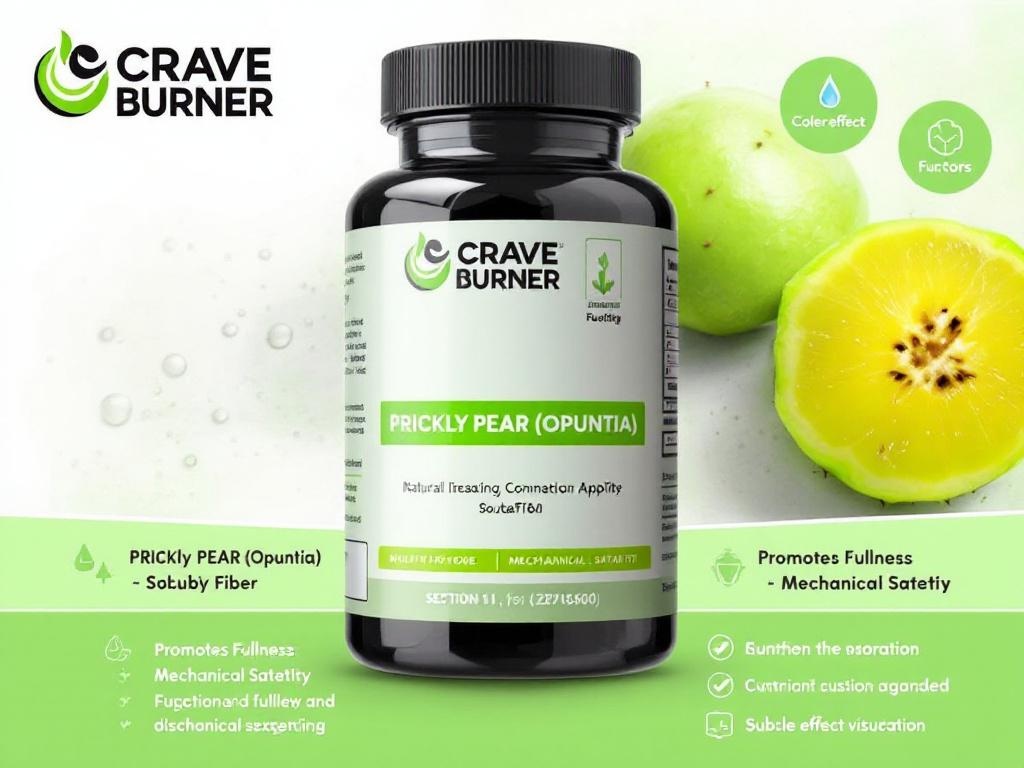
- Crave Burner is a multi-ingredient, fiber-based dietary supplement combining prickly pear, carob, and Gymnema sylvestre to support satiety and healthy appetite control naturally through complementary mechanisms.
- Benefits include lower calorie intake, reduced cravings (especially for sweets), easier portion control, and support for successful lifestyle transitions when combined with healthy habits.
- Plant ingredients in natural supplements have been studied for potential metabolic support, including blood sugar stability and healthy lipid profiles when used as part of a comprehensive health plan.
- Side effects of natural supplements are typically mild and digestive (bloating, gas), while prescription stimulants may cause jitters, insomnia, and cardiovascular stress.
- Long-term risks of any appetite suppressant include overreliance and undereating; supplements work best as part of a broader, balanced approach including diet, exercise, sleep, and stress management.
- Not recommended for pregnant/breastfeeding women, people with eating disorders, those with certain cardiovascular conditions, children, or those taking incompatible medications without medical guidance.
- Before starting, consult a healthcare provider to ensure the appetite suppressant is appropriate for your unique health profile, medications, and goals.
- Sustainable appetite control is built on balanced nutrition, regular movement, quality sleep, and stress management—supplements support these foundations but don’t replace them. Explore Crave Burner to learn more about how plant-based appetite support can complement your wellness journey.
Disclaimer
The information in this article is for educational purposes only and is not a substitute for professional medical advice, diagnosis, or treatment. Always consult with a qualified healthcare provider (such as a physician, nurse practitioner, physician assistant, or registered dietitian) before starting, stopping, or significantly changing any dietary supplement or appetite-related regimen, especially if you:
- Take prescription medications
- Have chronic health conditions (cardiovascular, metabolic, gastrointestinal, or endocrine)
- Are pregnant or breastfeeding
- Have a history of eating disorders or disordered eating
- Are considering extreme calorie restriction
- Have kidney, liver, or digestive system disorders
Regarding Crave Burner and Similar Dietary Supplements
These statements have not been evaluated by the Food and Drug Administration. Dietary supplements like Crave Burner are not intended to diagnose, treat, cure, or prevent any disease.
Individual results vary. The effectiveness and tolerability of dietary supplements depend on personal factors such as overall health, medications, diet quality, lifestyle, genetics, and adherence to label instructions.
Statements about the benefits of plant-based ingredients (such as Gymnema sylvestre, prickly pear extract, and carob extract) are based on traditional use and emerging research. More human clinical trials are ongoing, and consumers should view these ingredients as supportive tools within a comprehensive health plan, not as standalone treatments or replacements for medical care.
When to Seek Medical Attention
Stop using any appetite suppressant and consult a healthcare provider immediately if you experience:
- Persistent nausea, vomiting, or severe digestive distress
- Chest pain, shortness of breath, or irregular heartbeat
- Dizziness or fainting
- Severe allergic reactions (rash, swelling, difficulty breathing, throat tightness)
- Symptoms of undereating (severe fatigue, dizziness, hair loss, menstrual irregularities)
- Any symptoms you find concerning or unusual
Interested in Natural Appetite Support?
If you’re looking for a multi-ingredient, plant-based approach to appetite control backed by research on its three key botanical components, Crave Burner combines the three botanicals discussed throughout this article—Gymnema sylvestre, prickly pear extract, and carob extract—in one convenient, daily formula.
Explore Crave Burner to learn more about ingredient sourcing, third-party testing, formulation science, and real customer reviews. See if this natural supplement aligns with your wellness goals.
Scientific Sources & References
[^1] PMC/NCBI. “Usefulness of Opuntia spp. on the Management of Obesity and Its Complications.” Nutrients. Published April 24, 2024. https://pmc.ncbi.nlm.nih.gov/articles/PMC11085070/
[^2] Pharmactive Scientific. “CSAT and Weight Management.” Published December 21, 2022. https://pharmactive.eu/can-csat-help-in-weight-management/
[^3] PMC/NCBI. “Carob: A Sustainable Opportunity for Metabolic Health.” Frontiers in Nutrition. Published July 19, 2022. https://pmc.ncbi.nlm.nih.gov/articles/PMC9325207/
[^4] Journal of Functional Foods. “The Effect of a 14-Day Gymnema sylvestre Intervention to Reduce Sugar Cravings.” Published December 2022. https://pmc.ncbi.nlm.nih.gov/articles/PMC9788288/
[^5] Oregon State University Beauty & Health Blog. “Ways Gymnema Sylvestre Can Stabilize Your Blood Sugar Naturally.” Published November 19, 2025. https://blogs.oregonstate.edu/beauty/2025/11/20/ways-gymnema-sylvestre-can-stabilize-your-blood-sugar-naturally/
[^6] Healthline. “10 Natural Appetite Suppressants That May Help You Lose Weight.” Published April 28, 2025. https://www.healthline.com/nutrition/10-natural-appetite-suppressants
[^7] Super Smart Blog. “Carob: 3 Health and Slimming Benefits.” Published December 15, 2025. https://www.supersmart.com/en/blog/slimming-weight-control/carob-3-health-slimming-benefits-s847
[^8] ForHers. “Best Appetite Suppressants in 2025.” Published January 15, 2025. https://www.forhers.com/guides/best-appetite-suppressant
[^9] Stanford Medical News. “Naturally Occurring Molecule Rivals Ozempic in Weight Loss.” Published March 2025. https://med.stanford.edu/news/all-news/2025/03/ozempic-rival.html
⚠️ Important Safety Information
Medical Disclaimer: This content is educational and is NOT medical advice. Before
taking ANY supplements discussed in this article, you MUST consult with a qualified
healthcare provider—especially if you take medications, have diabetes, kidney disease,
heart conditions, are pregnant/breastfeeding, or have a history of eating disorders.
This is not medical advice. Results vary by individual. See our full
Medical Disclaimer.
Affiliate Disclosure: This article contains affiliate links to supplement retailers.
We earn commissions from qualifying purchases at no additional cost to you.