
You know you want to have a baby someday. Maybe you’re actively trying, or maybe you’re in that in-between space where you’re “not not trying.” Either way, there’s a quiet question that keeps circling back: Do I need prenatal vitamins before getting pregnant? And more importantly—is my body actually ready for pregnancy preparation?

You’ve probably scrolled through countless articles about preconception health, each one saying something slightly different. Some say to start prenatal vitamins before pregnancy, others focus on diet, and a few make it sound like you need a complete lifestyle overhaul before even thinking about conception. It’s overwhelming, and honestly, a little confusing.
Here’s the truth: your body often sends you signals long before you see a positive pregnancy test. These aren’t always dramatic symptoms, they’re subtle whispers that something might be off nutritionally. The good news? Recognizing these signs early gives you the power to do something about them, and that includes considering preconception vitamins as part of your healthy pregnancy planning strategy.
Prenatal vitamins before pregnancy aren’t just for women who are already expecting. In fact, preconception health experts now recommend starting them at least three months before you begin trying to conceive. Why? Because the most critical stages of fetal development happen in the very first weeks of pregnancy, often before you even know you’re pregnant.
By the end of this article, you’ll know 7 clear signs your body might be telling you it needs nutritional support, and what you can do about each one.
Why Prenatal Vitamins Before Pregnancy Matter
Think of pregnancy preparation like training for a marathon. You wouldn’t wait until race day to start preparing your body, would you? The same logic applies to preconception health.
During the earliest stages of pregnancy, your baby’s neural tube (which becomes the brain and spinal cord) begins forming. This happens around day 28 after conception, often before you’ve missed a period or taken a test. Key nutrients like folate, iron, DHA, iodine, vitamin D, and choline play essential roles in this rapid development.
When you start prenatal vitamins before pregnancy, you’re building up your body’s nutrient reserves. You’re creating an optimal environment for conception and early development. Studies suggest that adequate folate intake before pregnancy may reduce the risk of neural tube defects, while sufficient iron stores support your increased blood volume during pregnancy. DHA for pregnancy supports brain and eye development, and other micronutrients help with everything from bone formation to immune function.
This isn’t about being perfect. It’s about being prepared. And sometimes, your body gives you clues that you might benefit from some extra nutritional support through pre pregnancy supplements.
Sign #1: Persistent Fatigue That Sleep Doesn’t Fix
You’re getting seven or eight hours of sleep, but you wake up feeling like you’ve barely rested. By mid-afternoon, you’re dragging yourself through tasks that used to feel effortless. Maybe you’ve blamed it on work stress or a busy schedule, but deep down, you know something feels off.
This kind of bone-deep tiredness, the type that doesn’t improve with rest, is one of the most common vitamin deficiency symptoms before pregnancy. When you’re constantly exhausted despite adequate sleep, your body might be running low on iron, vitamin B12, or other essential micronutrients.
Iron deficiency in women is incredibly common, especially in the years leading up to pregnancy. Iron is crucial for making hemoglobin, the protein in red blood cells that carries oxygen throughout your body. When your iron stores are low, your cells literally don’t get enough oxygen to function properly. The result? Persistent fatigue, weakness, and that feeling of heaviness that follows you everywhere.
What you can do: Start by talking to your doctor about getting your iron levels checked through a simple blood test. Focus on eating iron-rich foods like lean red meat, spinach, lentils, and fortified cereals. And consider a high-quality prenatal vitamin that includes adequate iron, since building up your iron stores before pregnancy can take several months.
Sign #2: Brittle Nails, Thinning Hair, and “Tired” Skin
Have you noticed your nails breaking more easily? Is your hair losing its thickness or shine? Does your skin look dull, even when you’re using all your favorite products?
These aren’t just cosmetic annoyances. Your hair, skin, and nails are often the first places your body shows signs that it’s not getting enough key micronutrients. Think of them as your body’s early warning system.
When you’re low on nutrients like biotin, zinc, iron, and vitamins A, C, and E, your body prioritizes vital organs over cosmetic concerns. Hair follicles, nail beds, and skin cells don’t get the building blocks they need to regenerate properly. If you’re planning pregnancy, this matters even more, your body will soon need to share these nutrients with a growing baby.
The fatigue and iron deficiency connection shows up here too. Iron doesn’t just affect your energy levels; it’s also essential for healthy hair growth and skin cell turnover. Meanwhile, B vitamins support the production of new cells, and vitamin E protects your skin from oxidative stress.
What you can do: Nourish your body from the inside out with a varied, nutrient-dense diet rich in colorful vegetables, quality proteins, healthy fats, and whole grains. Consider starting prenatal vitamins before pregnancy to ensure you’re getting comprehensive nutritional support. Look for formulas that include not just the basics, but also trace minerals like zinc and selenium that support healthy hair, skin, and nails.
Sign #3: Brain Fog, Low Focus, and Feeling “Not Like Yourself” Mentally
You walk into a room and forget why you’re there. You’re in the middle of a sentence and lose your train of thought. Tasks that used to be easy now require twice the mental effort. You just don’t feel as sharp as you used to.
Brain fog is frustrating, and it’s easy to dismiss it as “just stress” or “getting older.” But mental clarity and cognitive function are deeply connected to your nutritional status, especially when it comes to nutrients that support brain health.
DHA for pregnancy is often discussed in the context of fetal brain development, but this omega-3 fatty acid is equally important for your own cognitive function. DHA makes up a significant portion of your brain’s structure, and adequate levels support memory, focus, and mental processing speed. B vitamins, particularly B6, B12, and folate, work together to produce neurotransmitters, the chemical messengers that allow your brain cells to communicate. Choline, another crucial nutrient often overlooked, supports memory and cognitive processing.
If you’re planning pregnancy after experiencing brain fog, it’s worth considering whether your body has the nutritional foundation it needs. During pregnancy, your baby will draw on your DHA stores for their own brain development. Starting with optimal levels gives you both an advantage.
What you can do: Include fatty fish like salmon and sardines in your diet twice a week for DHA, or consider a plant-based algae source if you’re vegetarian. Talk to your healthcare provider about your symptoms. And explore prenatal vitamins that include both a comprehensive multivitamin and a separate omega-3 supplement with adequate DHA and EPA to support brain health during preconception health optimization.
Learn more about how omega-3 supplementation supports pregnancy and brain health
in our comprehensive guide to DHA during pregnancy.
Sign #4: Heavy or Irregular Periods That Leave You Drained
Your periods are intense. Maybe they last longer than they used to, or the flow is heavier. You feel completely wiped out during and after your cycle, and it takes days to feel like yourself again.
Heavy or irregular periods can have many causes, and you should definitely discuss them with your doctor. But from a nutritional standpoint, they’re also a major risk factor for iron deficiency in women. Every month, you’re losing blood, and with it, iron. Over time, this can deplete your iron stores significantly.
Many women enter pregnancy already iron-deficient without realizing it. Then, when pregnancy increases their blood volume by up to 50%, the deficiency becomes more severe, leading to anemia, increased fatigue, and potential complications.
The connection between symptoms of vitamin deficiency in women and menstrual health goes beyond iron. Vitamin K supports healthy blood clotting, while vitamin C helps your body absorb iron more efficiently. B vitamins support the production of healthy red blood cells. These nutrients work together as a team.
What you can do: Track your cycle and note how heavy your flow is (soaking through a pad or tampon every hour or two is considered heavy). Ask your doctor about checking your ferritin levels, which measure your iron stores. Increase your intake of iron-rich foods, and pair them with vitamin C sources like citrus fruits or bell peppers to boost absorption. Starting prenatal vitamins before pregnancy can help you rebuild your iron stores during the months before conception, especially if you choose a formula with an appropriate amount of iron.
Sign #5: Frequent Colds or Feeling Like Your Immune System Is “Always Behind”
You catch every cold that goes around the office. A minor bug knocks you out for a week. You feel like your immune system is constantly struggling to keep up.
Your immune system is incredibly nutrient-dependent. When you’re running low on key vitamins and minerals, your body’s defense mechanisms simply can’t function at full capacity.
Vitamin D is one of the most important immune-supporting nutrients, and deficiency is extremely common, especially if you live in a northern climate or spend most of your time indoors. Vitamin D helps regulate immune cell function and reduces inflammation. Vitamin C supports various immune cells and helps protect them from oxidative stress. Zinc is essential for immune cell development and function. Selenium acts as an antioxidant and supports your body’s immune response.
These same nutrients are critical for pregnancy preparation. A well-functioning immune system helps protect you and your developing baby. Plus, starting pregnancy with adequate vitamin D levels is associated with better pregnancy outcomes.
What you can do: Spend time outdoors in sunlight (with appropriate skin protection), eat a rainbow of fruits and vegetables for vitamin C and other antioxidants, and include zinc-rich foods like shellfish, pumpkin seeds, and beans. Consider getting your vitamin D levels tested, as many people need supplementation to reach optimal levels. Look for preconception vitamins that include adequate amounts of these immune-supporting nutrients.
Sign #6: Diet That’s “Good on Paper” But Low in Key Pregnancy Nutrients
You eat relatively healthy. You cook at home, you include vegetables, you’re mindful about your choices. On paper, your diet looks pretty good. But here’s the thing: even a “healthy” diet can fall short of the specific nutritional needs for pregnancy preparation.
This is especially true if you follow a plant-based diet, have a very busy lifestyle that leads to meal-skipping, or rely on convenience foods more than you’d like to admit. Certain nutrients are harder to get from diet alone, even when you’re trying.
Vitamin B12 is found almost exclusively in animal products, making deficiency common in vegetarians and vegans. Iron from plant sources isn’t absorbed as efficiently as iron from meat. DHA for pregnancy is primarily found in fatty fish, which many women don’t eat regularly. Iodine is critical for thyroid function and fetal brain development, but it’s not abundant in many foods unless you regularly eat seaweed or use iodized salt. Choline needs increase significantly during pregnancy, but most women don’t consume enough even before conception.
This isn’t about judging your dietary choices. It’s about recognizing that nutrient deficiencies before pregnancy can happen even when you’re genuinely trying to eat well. Modern food systems, soil depletion, and busy lifestyles all contribute to nutritional gaps.
What you can do: Audit your typical weekly meals honestly. Are you consistently getting enough protein, fatty fish, leafy greens, and diverse vegetables? If you’re plant-based, are you supplementing B12? Consider working with a nutritionist who specializes in preconception health. And recognize that pre pregnancy supplements can act as nutritional insurance, filling in the gaps that even a good diet might miss. Look for comprehensive formulas that address the nutrients most commonly lacking in modern diets.
Sign #7: Decreased Nutrient Absorption After Years on Birth Control or Age 30+
This sign is different from the others because it’s not always something you can feel physically. But it’s one of the most important factors affecting your nutritional status during pregnancy preparation.
If you’ve been on hormonal birth control for several years, your body may have depleted stores of key nutrients. Studies suggest that hormonal contraceptives can reduce levels of certain B vitamins, magnesium, zinc, and selenium. When you stop taking birth control to conceive, your body needs time to rebuild these stores.
Similarly, if you’re planning pregnancy after 30, your body naturally becomes less efficient at absorbing certain nutrients as you age. Your gut doesn’t absorb iron and calcium quite as well. Your skin produces less vitamin D from sunlight. Stress from career demands and busy lifestyles can further deplete your nutrient stores. These aren’t dramatic changes, but they add up over time.
This combination of factors means that even if you feel healthy and energetic, your body might be running on lower nutrient reserves than ideal for conception and early pregnancy. The good news? Recognizing this gives you the advantage of time to prepare properly.
What you can do: If you’re coming off hormonal birth control, give your body at least three months to rebalance while you build up nutrient stores. Schedule a preconception appointment with your healthcare provider to discuss your health history and recommended screenings. Create a healthy pregnancy planning strategy that feels sustainable for you. And start a high-quality prenatal vitamin now, not when you see a positive test. This proactive approach puts you in control and gives your body the nutritional foundation it needs.

How to Choose Prenatal Vitamins Before Pregnancy
Not all prenatal vitamins are created equal. When you’re comparing options, there are a few key factors that separate basic formulas from comprehensive, high-quality products.
First, look for active folate rather than generic folic acid. While folic acid has been the standard for decades, many women have genetic variations that make it harder for their bodies to convert folic acid into its active form. Methylated folate, such as Quatrefolic®, is already in the active form your body can use immediately. This matters enormously for neural tube development in those critical first weeks of pregnancy.
Second, check that the formula includes adequate amounts of the nutrients most important for preconception and pregnancy: iron to build your blood stores, DHA for pregnancy and brain development, iodine for thyroid function, vitamin D for immune support and bone health, and choline for brain and nervous system development.
Third, consider production quality. Look for products manufactured according to GMP (Good Manufacturing Practice) standards, with no unnecessary fillers, artificial colors, or additives. You want to know that what’s on the label is actually in the bottle.
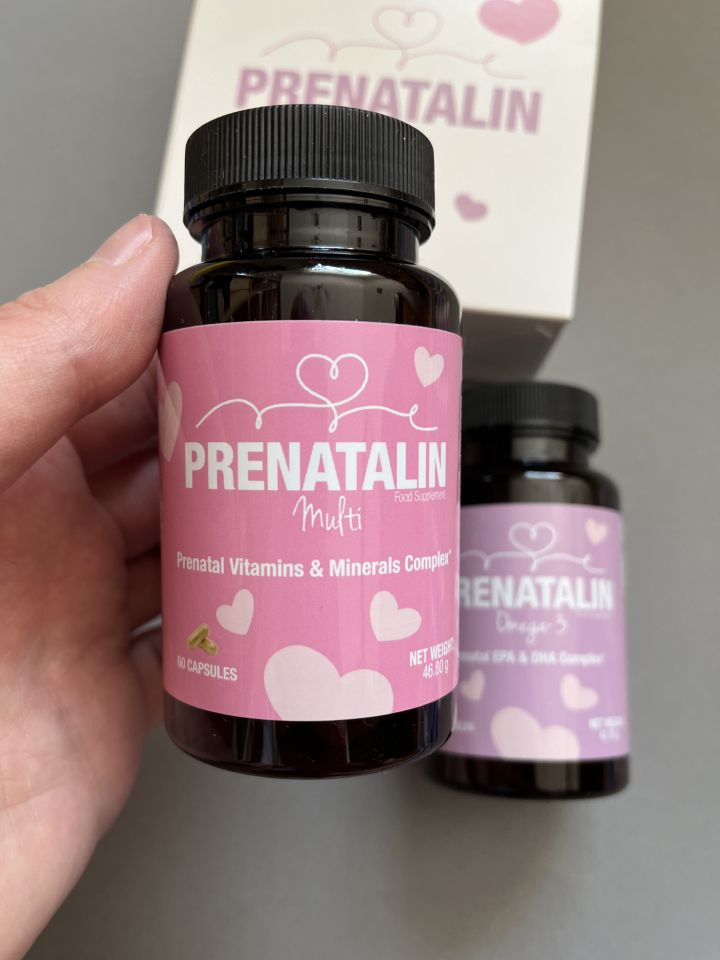
Prenatalin is an example of a comprehensive, high-quality prenatal supplement system designed specifically for these needs. It combines Prenatalin Multi (a complete vitamin and mineral formula) with Prenatalin Omega-3 (providing essential DHA and EPA). The Multi formula uses Quatrefolic®, the highly bioavailable folate form that bypasses the conversion issues many women experience with folic acid.
What sets Prenatalin apart is its comprehensive approach. It’s designed to support not just pregnancy, but the entire journey from preconception through breastfeeding, addressing brain development, eye health, bone formation, blood production, and nervous system function at every stage. The two-product system ensures you’re getting both the micronutrients and the essential fatty acids your body needs, without compromise.
Ready to discover the comprehensive prenatal vitamin that covers all 7+ nutrient gaps we discussed? See how Prenatalin supports your preconception health →
Read our complete guide to DHA prenatal supplements: 600mg and beyond
to understand the science and find the right dosage for your needs.
Common Questions About Prenatal Vitamins Before Pregnancy
When should I start taking prenatal vitamins if I want to get pregnant?
Ideally, start at least three months before you begin trying to conceive. This gives your body time to build up nutrient stores, especially for nutrients like folate, iron, and DHA that are critical in early pregnancy. If you’re already trying or it happens sooner than expected, start as soon as possible.
Can I take prenatal vitamins even if I’m not pregnant yet?
Absolutely. Prenatal vitamins are safe and beneficial during the preconception period. In fact, since many pregnancies are unplanned and the most critical fetal development happens very early, many healthcare providers recommend that all women of reproductive age take a prenatal vitamin or at minimum, ensure adequate folate intake.
Do I still need a healthy diet if I take prenatal vitamins?
Yes, definitely. Think of prenatal vitamins as nutritional insurance, not a replacement for real food. Whole foods provide fiber, antioxidants, and beneficial compounds that supplements can’t replicate. Your prenatal vitamin fills in the gaps and ensures you’re meeting your increased nutritional needs, but it works best alongside a varied, nutrient-dense diet.
What’s the difference between folate and folic acid in prenatal vitamins?
Folic acid is the synthetic form found in most supplements and fortified foods. Folate is the natural form found in food and active supplements like those with Quatrefolic®. Many women have a genetic variation (MTHFR mutation) that makes it harder to convert folic acid into its active form. Active folate supplements bypass this issue entirely, ensuring your body can use the nutrient immediately. This is especially important for neural tube development in early pregnancy.
How much DHA do I need before and during pregnancy?
Most experts recommend at least 200-300mg of DHA daily during preconception and pregnancy, with some suggesting up to 600mg for optimal brain development support. DHA is crucial for your baby’s brain and eye development, and since your body can’t produce it efficiently, you need to get it from diet (fatty fish) or supplements. Look for prenatal supplements that include a separate omega-3 component to ensure adequate DHA intake.
Can prenatal vitamins cause side effects?
Some women experience mild side effects when starting prenatal vitamins, including nausea, constipation, or stomach upset. These are usually related to the iron content. To minimize side effects, try taking your prenatal with food, starting with a half dose for the first few days, or taking it before bed. If problems persist, talk to your doctor about switching to a different formulation or adjusting the timing.
Should I talk to my doctor before starting prenatal vitamins?
It’s always a good idea to discuss any new supplement with your healthcare provider, especially if you have existing health conditions or take medications. Your doctor can also run blood tests to check for specific deficiencies and provide personalized recommendations for your preconception health journey.
Your 4-Step Action Plan for Pregnancy Preparation
Listen to what your body is telling you. Those seven signs we’ve discussed—the persistent fatigue, the brittle nails, the brain fog, the heavy periods, the frequent colds, the dietary gaps, the reduced nutrient absorption after birth control or age 30—these aren’t random. They’re your body’s way of saying, “I could use some support here.”
Here’s your clear action plan to take control of your preconception health starting today:
Step 1: Get tested (this week) Schedule an appointment with your healthcare provider for preconception counseling. Ask for blood work to check your iron, vitamin D, B12, and thyroid levels. Knowledge is power, and knowing your baseline helps you make informed decisions.
Step 2: Start your prenatal vitamin (today) Don’t wait until you’re pregnant. Start a high-quality prenatal vitamin with active folate, adequate iron, and comprehensive DHA support now. Give your body at least three months to build up nutrient stores before conception.
Step 3: Audit your diet (this weekend) Take an honest look at your typical weekly meals. Are you getting enough protein, fatty fish, colorful vegetables, and whole grains? Identify your nutritional gaps and make a realistic plan to address them. Remember: prenatal vitamins support a healthy diet, they don’t replace it.
Step 4: Create your preconception timeline (this month) If you’ve been on hormonal birth control, factor in 3-6 months for your body to rebalance. Plan for stress reduction, better sleep, and regular exercise. Pregnancy preparation is about the whole picture, not just supplements.
You don’t have to feel uncertain or unprepared. You don’t have to wait until you see a positive pregnancy test to start taking care of your preconception health. You have the power to act now.
The transition from “thinking about pregnancy” to “preparing for pregnancy” is a powerful shift. It moves you from anxiety and uncertainty to clarity and confidence. It puts you in the driver’s seat of your own health.
If you’re looking for a science-backed prenatal vitamin specifically formulated to address all 7 nutrient gaps we discussed, start with Prenatalin →. It combines active folate (Quatrefolic®), optimal iron and essential minerals, plus DHA and EPA for brain support—designed for the full journey from preconception through breastfeeding.
Your future self and your future baby will thank you for the care and attention you’re giving to pregnancy preparation today. You’re already being the mother you want to be: thoughtful, informed, and proactive. That’s something to feel proud of.
Discover Prenatalin’s complete preconception support system →
Best for “Further Reading” section at bottom:
- NIH Iron in Pregnancy (most comprehensive):
- NIH Folate & NTD (official recommendation):
- NIH Omega-3 Systematic Review (DHA evidence):
- Frontiers – Anemia & Pregnancy (recent 2025):
⚠️ Important Safety Information
Medical Disclaimer: This content is educational and is NOT medical advice. Before
taking ANY supplements discussed in this article, you MUST consult with a qualified
healthcare provider.
Critical if you:
- Take ANY prescription medications (high interaction risk)
- Have diabetes, kidney disease, liver disease, or heart conditions
- Are pregnant, breastfeeding, or under 18
- Have a history of eating disorders
- Take blood pressure or blood clotting medications
Individual results vary. Not guaranteed. See our full Medical Disclaimer.
Affiliate Disclosure: This article contains affiliate links to supplement retailers.
We earn commissions from qualifying purchases at no additional cost to you.