
Tired of restrictive diets that leave you constantly hungry? Struggling with stubborn belly fat despite your best efforts? Struggling with stubborn belly fat that won’t budge despite your best efforts? You’re not alone—and the solution might not be about eating less, but about eating differently.
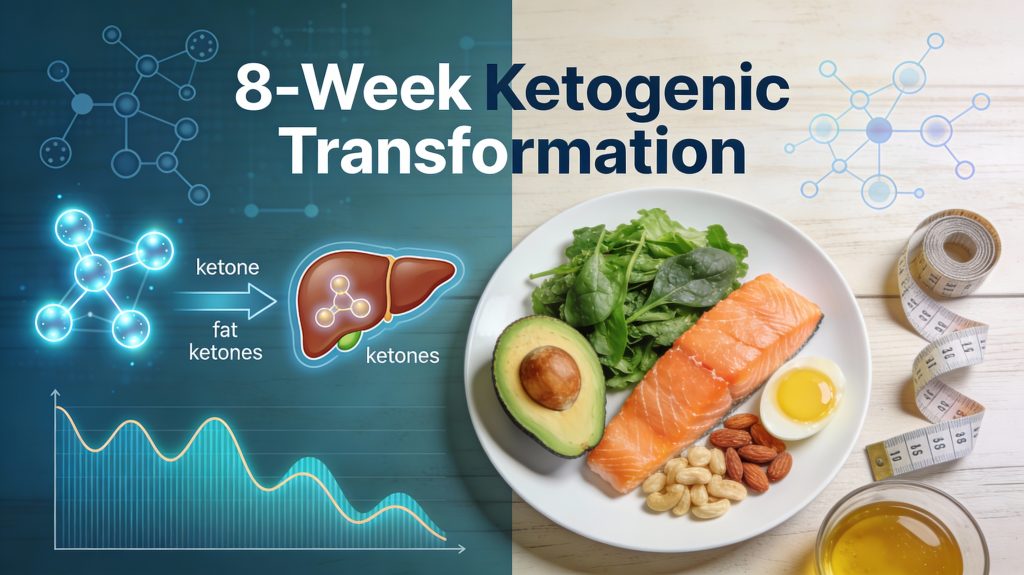
The ketogenic diet represents a fundamentally different approach to weight loss. Rather than relying on willpower and calorie restriction, it works by shifting your body’s primary fuel source from carbohydrates to stored fat. This metabolic change triggers hormonal shifts that naturally reduce hunger, preferentially target visceral (belly) fat, and can produce significant results in just 8-12 weeks.
In this comprehensive guide, we’ll explore:
- The science behind why keto works specifically for belly fat
- What to expect during your first critical weeks
- How to navigate the transition phase smoothly
- The role quality nutritional support plays in your success
We’ll also examine how natural metabolic support—like the carefully formulated Keto Actives supplement—can make the difference between struggling through the adaptation phase and transitioning smoothly into fat-burning mode.
Ketogenic Diet Weight Loss: Understanding How It Works
The ketogenic diet isn’t new—it’s been used medically since the 1920s to treat epilepsy and is now extensively studied for Type 2 diabetes management and weight loss. But what exactly is it?
Simple definition: The ketogenic diet is a high-fat, moderate-protein, very-low-carbohydrate eating plan that shifts your body’s primary fuel source from carbohydrates to stored fat.
The macronutrient breakdown typically looks like this:
- Fat: 70-80% of daily calories (~165g in a 2,000-calorie diet)
- Protein: 15-20% of daily calories (~75g)
- Carbohydrates: 5-10% of daily calories (~40g or less)
To put this in perspective: 40g of carbohydrates is roughly equivalent to one medium banana or two slices of bread. This severe carbohydrate restriction is what triggers the metabolic shift called ketosis.
The diet has evolved from its medical origins into a weight-loss approach backed by substantial research. A comprehensive 2013 review in the European Journal of Clinical Nutrition examined the therapeutic uses of ketogenic diets beyond epilepsy treatment, finding significant benefits for weight management, metabolic health, and blood sugar control.1
What makes keto different from other low-carb diets? It’s not just low carb—it’s low enough to trigger and maintain ketosis, a specific metabolic state where your liver produces ketone bodies from fat. This isn’t just semantics; it’s the key to understanding why keto works differently than simply “cutting carbs.”
How Ketosis Works for Weight Loss: The Metabolic Science
The Simple Explanation
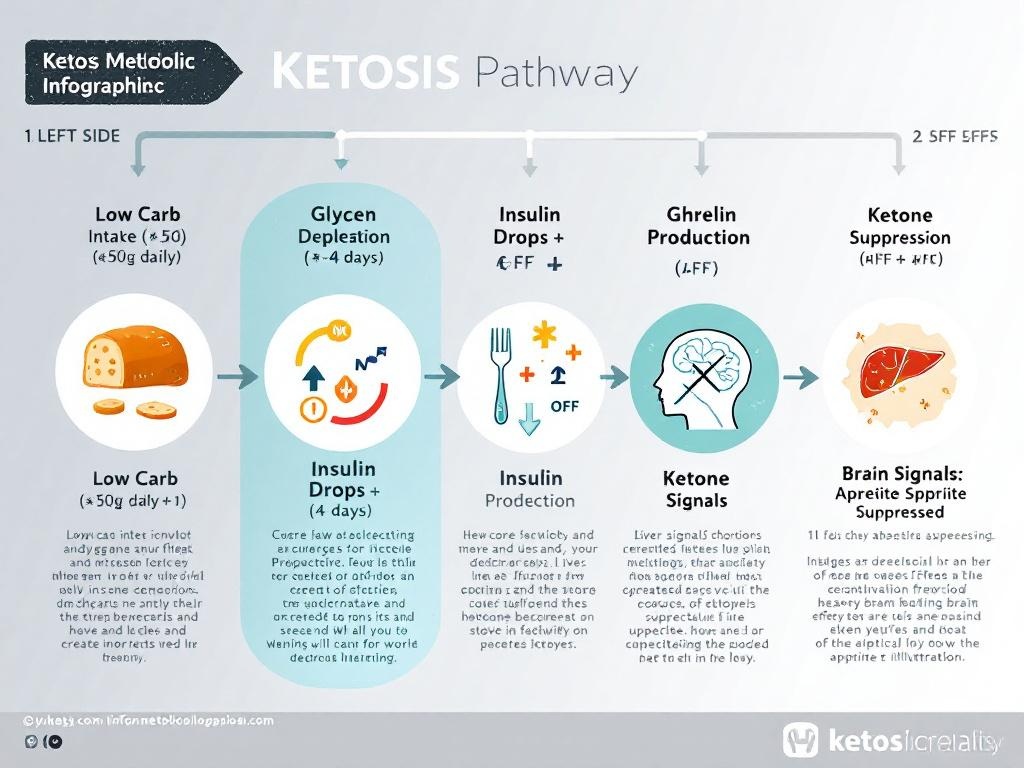
When you drastically reduce carbohydrates, your body enters a metabolic state called ketosis. Here’s the step-by-step process:
- Your carbohydrate intake drops below ~50g daily (the threshold for most people)
- Your liver and muscles deplete stored glucose (glycogen) within 3-4 days
- Your body shifts its primary fuel from carbs to stored fat
- Your liver converts fat into ketone bodies—an alternative energy source
- Your brain, muscles, and organs adapt to run on ketones instead of glucose
This is a natural, healthy metabolic state—you naturally experience mild ketosis when you sleep through the night or during intense exercise. The ketogenic diet simply sustains and deepens this state through dietary choices.
The Scientific Layer: What’s Actually Happening
During ketosis, several metabolic shifts occur simultaneously:
Insulin levels drop dramatically. Lower insulin means:
- ✓ Reduced blood sugar spikes
- ✓ Fewer cravings
- ✓ Body preferentially burns fat for energy rather than storing it
This hormonal shift is critical—insulin is essentially a “storage hormone,” and when it’s consistently low, your body stays in “release” mode rather than “storage” mode.
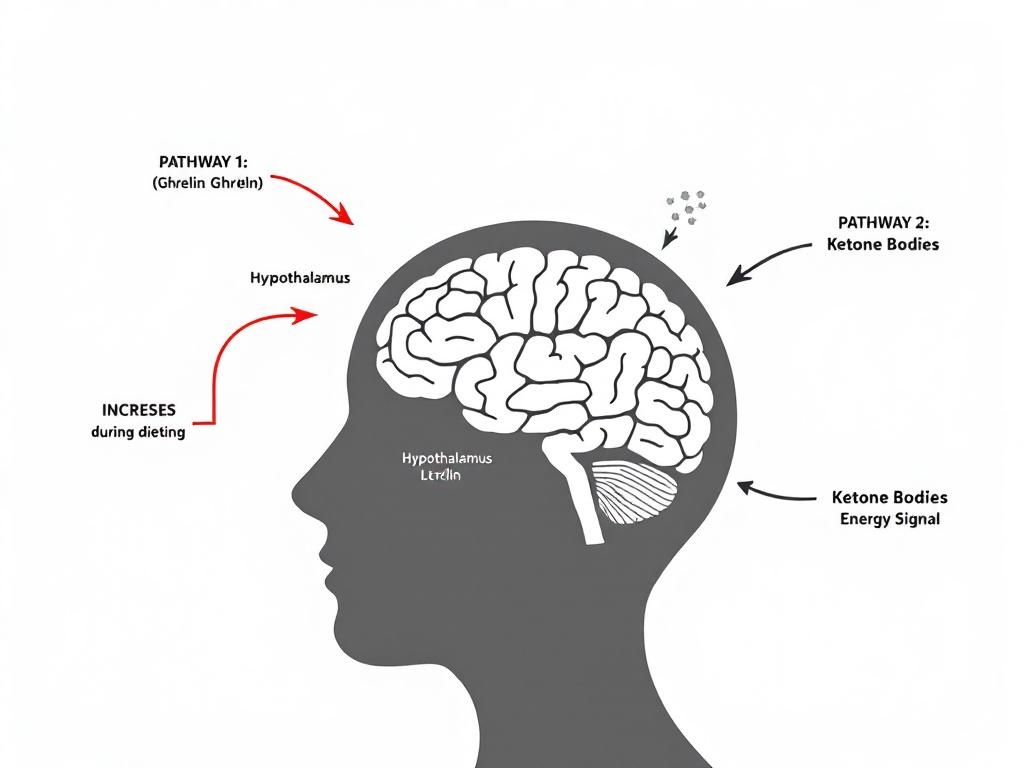
Ghrelin (the hunger hormone) does NOT increase, even during a caloric deficit. This is remarkable and counterintuitive. Normally, when you diet and lose weight, ghrelin rises to compel you to eat more—it’s your body’s survival mechanism against starvation. On keto? It stays suppressed. This is why people consistently report less hunger on ketogenic diets—it’s not willpower; it’s hormonal.2
Ketone bodies signal satiety to your brain, reducing appetite-stimulating signals. Beta-hydroxybutyrate (the primary ketone body) appears to have direct appetite-suppressing effects on the hypothalamus, the brain region that regulates hunger.3
Your metabolic efficiency changes. Your body becomes highly efficient at oxidizing (burning) fat for ATP (energy) production, especially during low-to-moderate-intensity activity. This adaptation typically takes 2-4 weeks to fully develop.
The Transition Challenge (And Where Support Matters)
Here’s the catch: The first 3-7 days of this metabolic shift can feel challenging. As your body transitions from glucose-dependent to fat-dependent metabolism, some people experience fatigue, mental fog (often called “keto flu”), and intense carb cravings.
This is the critical window where metabolic and nutritional support can make a significant difference.
Ingredients like bitter orange extract (synephrine), thermogenic spices, and carefully selected botanicals can:
- Ease the metabolic transition
- Maintain stable energy during adaptation
- Reduce initial cravings and discomfort
- Support digestive and liver function during the dietary shift
This is precisely why formulas like Keto Actives are designed specifically to support the keto transition phase. Rather than being a weight-loss “magic pill,” quality supplements provide metabolic scaffolding during the weeks when your body is learning to run on a completely different fuel source.
What Research Shows: Real Results in the First 8 Weeks
The scientific evidence for ketogenic diets is substantial, particularly for short-term weight loss (4-12 weeks). Let’s look at what the research actually shows:
Short-Term Effectiveness (4-12 Weeks)
Study 1: Rapid weight loss with metabolic improvements
A study of 39 obese adults following a very-low-calorie ketogenic diet showed ~13% weight loss in just 8 weeks, with significant reductions in:
- Fat mass
- Insulin levels
- Blood pressure
- Waist circumference
- Hip circumference
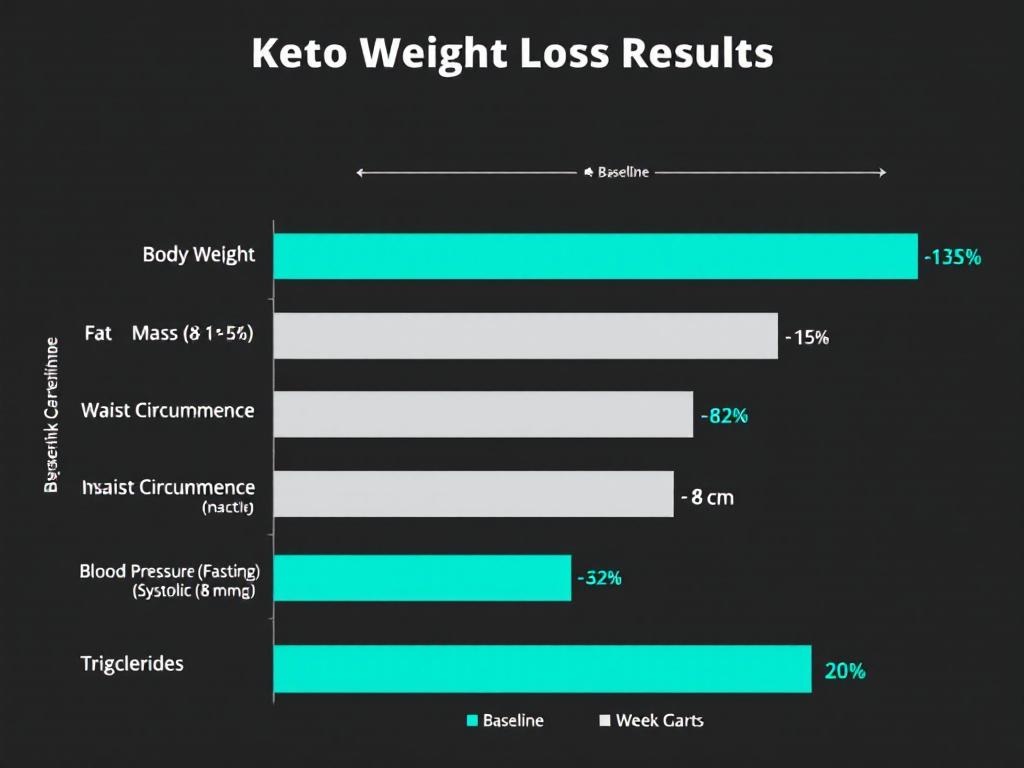
Notably, participants reported significantly reduced hunger despite the severe caloric restriction—a finding that contradicts what we see with standard low-calorie diets.2
Study 2: Appetite suppression across multiple trials
A systematic review analyzing 26 short-term trials (4-12 weeks) found that participants consistently reported:
- Significantly less hunger
- Reduced desire to eat
- Better appetite control
These effects occurred despite severe dietary restriction and were attributed to hormonal changes involving ghrelin, leptin, and ketone bodies themselves.3
Medium-Term Success (6-12 Months)
A particularly impressive two-phase study followed 89 obese adults through:
- Phase 1: 6 months of strict ketogenic diet
- Phase 2: 6 months of Mediterranean diet maintenance
Results:
- ~10% weight loss maintained
- NO weight regain at one year
- 88% compliance rate
This study demonstrates that ketogenic diets can produce lasting results when followed by a sensible transition to a sustainable maintenance approach.4
Metabolic Improvements (Proven Across Studies)
Beyond weight loss, ketogenic diets consistently produce:
- ↓ Fasting insulin levels (critical for metabolic health and diabetes prevention)
- ↓ Blood pressure (both systolic and diastolic)
- ↓ Triglycerides (harmful blood fats linked to cardiovascular disease)
- ↑ HDL cholesterol (“good” cholesterol that protects heart health)
- Improved blood sugar control (especially relevant for pre-diabetes and Type 2 diabetes)
A 2013 meta-analysis of randomized controlled trials comparing ketogenic diets to low-fat diets found that keto produced superior results for weight loss and several cardiovascular risk markers.5
Why the FIRST 8-12 Weeks Matter Most
The largest difference between keto and standard diets appears in the first 4-12 weeks. Why?
- Initial water loss (from glycogen depletion) produces quick, visible results that build psychological momentum
- Hormonal shifts happen fastest when insulin drops sharply
- Visceral (belly) fat is preferentially targeted by ketogenic metabolism—this is the stubborn fat most people want to lose
- Motivation and compliance are highest when results are visible
This is the window where having metabolic and energy support is most valuable. When people feel energized, see their waist circumference drop, and experience reduced hunger, they’re exponentially more likely to maintain the diet long-term.
This is why strategic support during weeks 1-8 isn’t a luxury—it’s an investment in your success.
The Belly Fat Advantage: Why Keto Targets Visceral Fat First
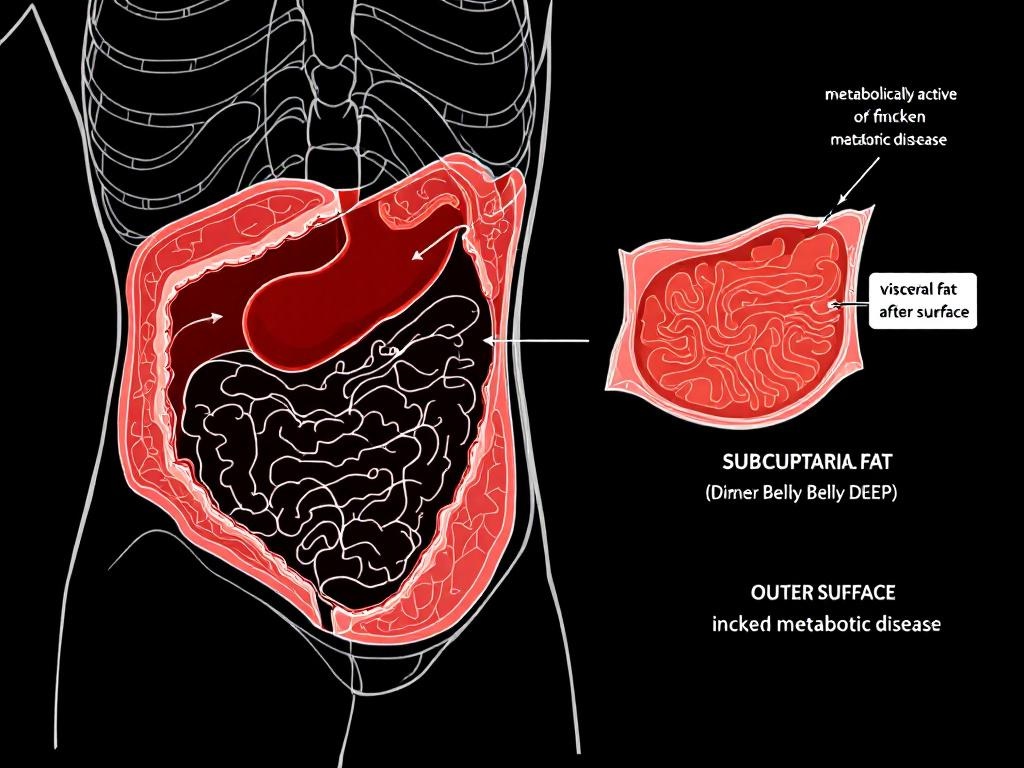
One of the most compelling reasons keto works so effectively for weight loss is that it preferentially targets visceral (deep belly) fat—the dangerous kind linked to metabolic syndrome, cardiovascular disease, and chronic inflammation.
Why Keto Burns Belly Fat Faster
Visceral fat is more metabolically active and insulin-sensitive than subcutaneous fat (the “pinchable” surface fat). This means it responds more dramatically to hormonal changes.
When insulin levels drop sharply on keto, visceral fat mobilization increases significantly. Your body essentially gets the signal to release stored energy from the most metabolically active fat deposits first.
Studies consistently show that people on ketogenic diets lose a higher proportion of belly fat compared to other diets—even when total weight loss is similar. Research demonstrates that visceral fat reduction is particularly pronounced in the first 8-12 weeks of ketogenic intervention.6
This is crucial: if you’ve struggled with a stubborn midsection despite losing weight elsewhere, keto may offer a solution that other dietary approaches don’t.
Supporting the Visceral Fat Loss Process
Supporting this metabolic shift with ingredients designed to:
- Enhance fat oxidation (thermogenic compounds like bitter orange extract)
- Stabilize blood sugar (reducing insulin spikes that favor belly fat storage)
- Support liver and digestive function during this metabolic shift
…can amplify the natural advantages keto offers for visceral fat loss.
Keto Actives is specifically formulated to support these processes during the critical first weeks when your body is learning to preferentially burn fat—especially the stubborn visceral fat around your midsection.
Why You Eat Less on Keto (Without the Willpower Struggle)
One of the most striking findings in ketogenic diet research is that people naturally eat less—not because they’re forcing themselves, but because ketosis fundamentally changes appetite chemistry.
The Hormonal Shift
Ghrelin (the hunger hormone) does NOT spike during ketosis, even with a significant caloric deficit.
Normally, when you diet and lose weight, ghrelin rises to compel you to eat more—it’s your body’s evolutionary protection against starvation. On keto? It stays suppressed. This is a game-changer for anyone who’s experienced the relentless hunger that typically accompanies dieting.2
Ketone bodies themselves suppress appetite. When ketones are present at sufficient levels, they signal to your brain: “Energy reserves are adequate.” This is why many people report: “I don’t think about food the way I used to.”
Insulin stability. Low insulin = no blood sugar crashes = no sudden cravings for quick carbs. The roller coaster of blood sugar spikes and crashes that drives snacking and overeating simply doesn’t occur on a well-formulated ketogenic diet.
Fat and protein satiety. Both nutrients are significantly more satiating than carbohydrates, meaning you stay full longer on fewer calories. A meal of eggs and avocado keeps you satisfied far longer than a bowl of cereal with the same calorie content.
How Supplements Enhance Natural Appetite Control
While ketosis itself suppresses appetite, the transition phase can trigger intense cravings—especially in days 3-7 when your brain is still glucose-dependent but your body’s glucose stores are depleted.
Natural compounds in quality keto-support supplements can bridge this gap:
Bitter orange extract (synephrine) activates AMPK (an energy regulation enzyme), supporting natural appetite control and thermogenesis without the jittery side effects of synthetic stimulants.7
Thermogenic spices (like those in Keto Actives) enhance metabolic stability and reduce initial adaptation cravings by supporting steady energy production.
Herbal extracts support stable blood sugar, preventing the false hunger signals that occur when blood sugar drops too quickly.
The result? A smoother transition to the appetite-suppressed state that ketosis naturally creates. You’re working with your body’s adaptation process, not fighting against it.
The First Week May Feel Uncomfortable—Here’s Why & What Helps
Let’s be honest: as your body shifts from glucose to fat metabolism, some people experience temporary discomfort—often called “keto flu.”
Common Symptoms (Days 3-7)
- Fatigue or low energy (especially days 3-5)
- Mental fog or difficulty concentrating
- Irritability or mood changes
- Constipation or digestive shifts
- Intense cravings for carbohydrates
- Headaches
Important: These symptoms are not dangerous—they’re signs that metabolic adaptation is occurring. They typically resolve within 5-10 days as your body fully shifts to ketone utilization.8
Think of it like jet lag: your body is adjusting to a new “time zone” metabolically. The discomfort is temporary, but it’s real.
Practical Strategies to Ease the Transition
1. Stay hydrated. Ketosis increases water loss through glycogen depletion. Drink 2.5-3L of water daily.
2. Maintain electrolytes. Sodium, potassium, and magnesium are depleted rapidly in the first week. Consider zero-carb electrolyte drinks or add 1/4 tsp salt to a glass of water 1-2 times daily.
3. Sleep adequately. Your brain is adapting to a new fuel source; extra rest supports the process.
4. Go slow. Don’t drop carbs below 50g immediately if you’re very carb-dependent. Reduce gradually over 5-7 days.
5. Support your metabolism. Natural thermogenic and adaptogenic ingredients can ease the transition without forcing the body.
Where Metabolic Support Supplements Become Valuable
Formulas designed for keto transitions typically include:
- Thermogenic botanicals (bitter orange, capsaicin from hot peppers) to support natural fat oxidation and energy
- Liver and digestive support (curcumin, herbal extracts) to assist the body’s natural processes during macronutrient shifts
- Energy-supporting minerals and botanicals to combat the initial fatigue phase
Keto Actives is formulated precisely for this transition phase, combining thermogenic spices and carefully selected natural ingredients to:
- Reduce initial fatigue and mental fog
- Maintain stable energy without stimulant overload
- Support digestive comfort during dietary transition
- Enhance the body’s natural appetite-suppression response
Rather than “pushing through” discomfort with willpower alone, strategic nutritional support can make the first 1-2 weeks significantly more comfortable—which directly increases the likelihood you’ll stick with keto long enough to reach the benefits phase.
The Real Reason People Quit Keto—And How to Avoid It
Research shows that ketogenic diet compliance declines over time. But here’s the critical insight: it’s not because the diet doesn’t work—it’s because people don’t have the right support during the critical first 8 weeks.
Why People Quit (And It’s Not What You Think)
Reason #1: Initial Discomfort Without Relief
The first 1-2 weeks feel genuinely difficult. Fatigue, mental fog, cravings—all real. Without support, people think: “This can’t be right” and quit before the adaptation phase is complete.
Solution: Strategic nutritional support (like Keto Actives) makes this phase manageable. People who feel supported through week 2 almost always continue.
Reason #2: Slow Perceived Progress After Week 2
Initial water loss (glycogen depletion) is dramatic—people see 3-5 lbs in the first week. By week 2-3, the scale slows as fat loss takes over. Without understanding this, people panic: “It stopped working!”
Solution: Education + tangible metrics. Measuring waist circumference (visceral fat loss is visible in weeks 2-4) keeps motivation high.
Reason #3: Absence of Energy for Daily Life
Many people report fatigue persisting beyond week 1. Without intervention, this becomes a deal-breaker: “I can’t function like this.”
Solution: Quality supplements with thermogenic and energy-supporting ingredients help maintain baseline energy during adaptation.
The Compliance Statistics
Studies show that compliance to ketogenic diets declined over time, but those who made it through the first 8 weeks sustained 10% weight loss with NO weight regain at one year (88% compliance rate).4
The difference? Support during the critical window.
People who have:
- ✓ Education (knowing what to expect)
- ✓ Nutritional support (to ease adaptation)
- ✓ Visible metrics (to track progress)
- ✓ Stable energy (to maintain daily function)
…are exponentially more likely to succeed.
Nutrient Considerations & The Role of Quality Supplements
Because the ketogenic diet eliminates entire food groups (grains, legumes, many fruits), it can lead to deficiencies in:
- Fiber (from restricted whole grains and legumes)
- B vitamins (especially B6, folate from grains)
- Magnesium, zinc, iron (from eliminated plant sources)
Why Supplement Quality Matters on Keto
A balanced keto diet can meet nutritional needs through careful food selection (leafy greens, nuts, seeds, fish, organ meats). But many people don’t nail this perfectly—life gets busy, cravings happen, and nutrient gaps emerge.
Not all supplements are equal.
Synthetic, isolated nutrients often have poor absorption and may stress the liver (which is already working hard during ketosis).
Natural, whole-food-based supplement formulas:
- Use bioavailable ingredients (your body recognizes them as ‘real food’)
- Often include supporting botanicals (like curcumin from turmeric for liver support, ginger for digestion)
- Impose lower metabolic burden
Example:
Keto Actives uses:
- NuRice (instead of magnesium stearate, which some people find problematic) as a hypoallergenic anti-caking agent
- Natural thermogenic spices (not synthetic caffeine) for metabolic support
- Herbal extracts (bitter orange, turmeric) for liver, digestive, and appetite support
Rather than viewing supplementation as ‘unnatural,’ view quality supplements as nutritional support for the dietary transition your body is undergoing. Get Keto Actives now to ensure smooth adaptation.
Your First 4 Weeks: A Practical Roadmap for Success
Understanding what to expect week-by-week dramatically increases the likelihood of success. Here’s exactly what happens:
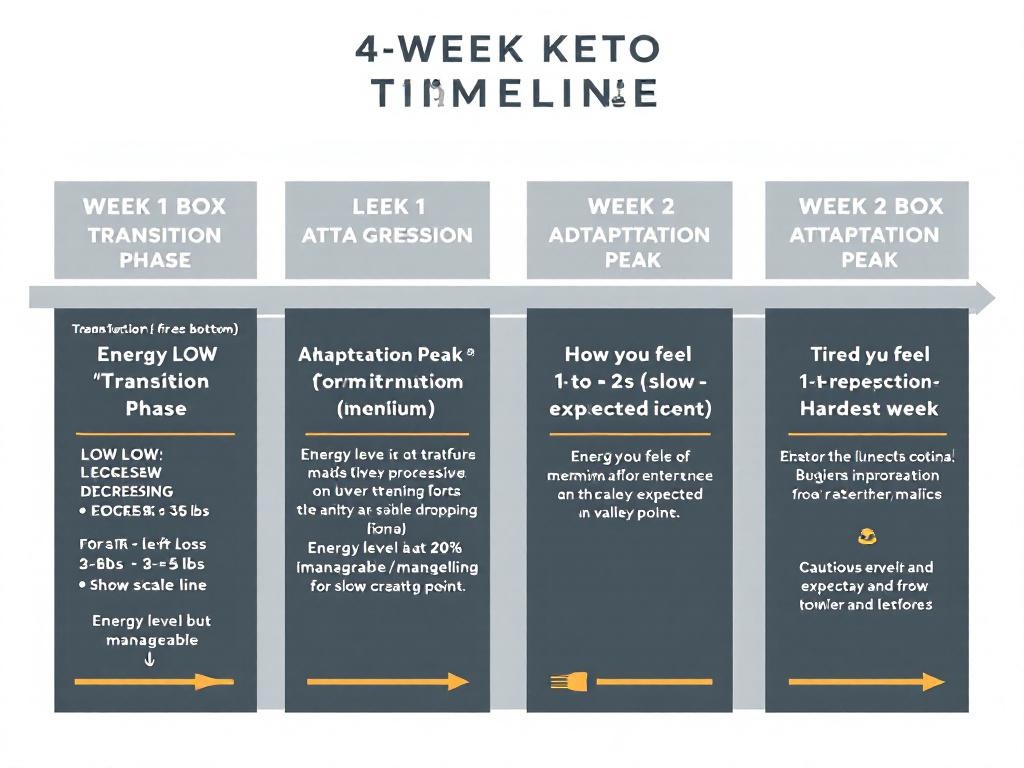
WEEK 1: Transition Phase (Days 1-7)
What you’re doing:
- Reducing carbs to <50g daily by day 7
- Adding more fats and proteins
- Maintaining 2.5L+ water daily with electrolytes
What you’ll experience:
- Rapid weight loss (3-5 lbs, mostly water initially)
- Initial fatigue or headaches (typically days 2-4)
- Reduced appetite by midweek
When to use Keto Actives:
- Start from Day 1 to ease transition symptoms
- Critical for managing fatigue and cravings
Expected metrics:
- Scale: -3 to -5 lbs
- How you feel: Tired, but manageable
WEEK 2: Adaptation Peak (Days 8-14)
What you’re doing:
- Maintaining <50g carbs
- Focus on non-starchy vegetables, fats, proteins
- Continued hydration and electrolytes
What you’ll experience:
- Energy dip (peak adaptation moment—your body is transitioning metabolically)
- Strongest cravings (day 10-12 typically)
- Ghrelin suppression beginning to kick in
When to use Keto Actives:
- HIGHEST VALUE WEEK – use consistently
- Appetite suppression kicks in by week 2 end
- Energy support prevents abandonment
Expected metrics:
- Scale: -1 to -2 lbs (slower, but normal—you’re entering fat-burning phase)
- How you feel: Lowest point; this improves day by day
WEEK 3: Stabilization (Days 15-21)
What you’re doing:
- Continuing keto protocol
- Reintroducing light exercise (if desired)
- Building routine and meal consistency
What you’ll experience:
- Energy returns (dramatic improvement)
- Hunger remains suppressed
- First visible waist reduction (visceral fat loss is evident)
- Cravings largely gone
When to use Keto Actives:
- Continue daily; momentum is building
- Can reduce to maintenance dose if desired
Expected metrics:
- Scale: -2 to -4 lbs
- Waist circumference: -1 to -2 inches (THIS is the motivator)
- How you feel: Energized; “this is working”
WEEK 4: Momentum (Days 22-28)
What you’re doing:
- Full keto routine established
- Exercise at normal intensity
- Normal energy levels
What you’ll experience:
- Sustained energy
- Appetite easily controlled
- Visible body composition changes (clothes fit differently)
- Mental clarity improving
When to use Keto Actives:
- Maintenance dose; adjust based on your needs
- Can transition to as-needed use
Expected metrics:
- Scale: -3 to -8 lbs total (average 7-10 lbs in 4 weeks)
- Waist circumference: -2 to -3 inches
- How you feel: Confident; long-term commitment forming
Critical Success Factor
The first 2 weeks are hardest. Those who make it to week 3-4 (when energy improves and results appear) almost always continue and achieve their goals. This is why support during weeks 1-2 is the highest-value intervention.
People with Keto Actives report:
- ✓ Easier week 1-2 transition
- ✓ Better energy maintenance
- ✓ Reduced cravings
- ✓ Higher confidence they’ll succeed
- ✓ Greater likelihood of reaching 8-12 week goals
When to Consult a Healthcare Provider
Keto is generally safe for most people, but certain conditions warrant medical oversight before starting:
- Kidney or liver disease. High fat and protein metabolism stresses these organs.
- Type 1 diabetes. Risk of diabetic ketoacidosis (DKA)—requires close medical monitoring.
- Type 2 diabetes on medication. Blood sugar may stabilize quickly; medication may need dose adjustment.
- Pregnancy or breastfeeding. Restricted carbs may impact fetal development or milk supply.
- History of eating disorders. Restrictive nature may trigger disordered patterns.
- Medications affecting fat/protein metabolism.
Bottom line: If you have any chronic condition or take medications, discuss keto with your doctor before starting. This isn’t scaremongering—it’s responsible nutrition.
Long-Term Sustainability: Beyond the First 8 Weeks
The research shows that the strongest keto benefits appear in the first 8–12 weeks. After that, weight loss may slow, and long-term adherence becomes the challenge.
What the research shows:
Studies suggest two sustainable approaches:
Approach 1: Cyclical Keto + Maintenance Diet (Recommended)
6 months of strict keto, then transition to a Mediterranean-style diet for the next 6 months.
This allows:
- ✓ Reintroduction of whole grains, legumes, and fruits
- ✓ Higher carb tolerance while maintaining weight
- ✓ Reduced nutrient deficiency risk long-term
- ✓ Better sustainability (less restriction = better compliance)
Results from research: ~10% weight loss maintained at 1 year with 88% compliance rate.4
Approach 2: Maintenance Keto
Continue ketogenic eating indefinitely, with careful attention to nutrient variety and supplementation.
This works for people who:
- Find keto sustainable long-term
- Don’t experience negative side effects
- Can maintain nutrient variety
The Key Insight
The first 8–12 weeks are where the magic happens. Invest in support (supplementation, planning, tracking) during this phase. Once you’ve lost the initial weight and adapted metabolically, maintenance becomes easier.
This is precisely why many successful practitioners use:
- Short, intensive keto phases (8–12 weeks)
- Quality supplement support during these phases
- Sensible transitions to maintenance eating afterward
Rather than vague long-term ‘forever keto’ promises, this evidence-based approach produces sustainable results.
Your Action Plan: Start Your Keto Transformation
The science is clear: ketogenic diets work for weight loss, particularly for belly fat, when executed properly during the critical first 8-12 weeks.
The evidence shows:
- ✓ ~13% weight loss in 8 weeks is achievable
- ✓ Visceral (belly) fat is preferentially targeted
- ✓ Natural appetite suppression eliminates hunger battles
- ✓ Initial discomfort is temporary and manageable with support
- ✓ Long-term success depends on navigating the first 8 weeks smoothly
If you’re ready to start:
Step 1: Prepare your environment
- Stock your kitchen with keto-friendly foods (fats, proteins, low-carb vegetables)
- Plan your meals for the first week
- Tell supportive friends/family you’re starting
Step 2: Begin supplementation and keto simultaneously
- Start Keto Actives on Day 1
- Set up hydration and electrolyte protocol
- Commit to 4 weeks minimum
Step 3: Track your progress
- Monitor scale weight (especially week 1 baseline)
- Measure waist circumference weekly (this is your real motivator)
- Note energy levels and hunger
Step 4: Reach week 3-4 (the success point)
- By week 3, energy returns and results are visible
- This is where commitment solidifies
- Continue through week 8 for maximum benefit
Step 5: Plan for long-term sustainability
- Decide: Will you cycle into maintenance eating (recommended) or continue keto?
- Adjust supplementation accordingly
Ready to Begin?
Start Your Keto Transformation with Keto Actives Today
Don’t let the critical first 8 weeks be harder than they need to be. Thousands of people have smoothed their keto transition with quality metabolic support.
Your waist, your energy, and your future self will thank you.
Final Reminder: Consult Your Healthcare Provider
Before starting any new dietary protocol, especially if you have chronic health conditions or take medications, consult with your physician or registered dietitian. This guide is educational; it’s not a substitute for professional medical advice.
Summary: The Science-Backed Case for Strategic Keto Support
- Ketogenic diets work. The evidence is solid—~13% weight loss in 8 weeks for overweight individuals.
- The first 8 weeks are critical. Initial results, hormonal adaptations, and visceral fat loss are most pronounced in this window.
- Adaptation has challenges. Fatigue, cravings, and mental fog are real in the first 1-2 weeks.
- Support matters. Strategic nutritional support reduces discomfort and increases compliance.
- Natural supplements align with keto principles. Whole-food-based formulas like Keto Actives provide metabolic scaffolding without synthetic additives.
- Long-term success requires planning. Whether cyclical keto or maintenance keto, having a sustainability strategy from day one increases your odds of success.
The path to 10+ lbs of weight loss, significant waist reduction, and sustainable metabolic health is clear. The question is: are you ready to take it?
Yes, I’m ready. Get me started with Keto Actives.
Footnotes
- Paoli A, Rubini A, Volek JS, Grimaldi KA. (2013). “Beyond weight loss: a review of the therapeutic uses of very-low-carbohydrate (ketogenic) diets.” Eur J Clin Nutr. 67(8):789–96. https://pubmed.ncbi.nlm.nih.gov/23801097/ ↩
- Sumithran P, Prendergast LA, Delbridge E, Purcell K, Shulkes A, Kriketos A, Proietto J. (2013). “Ketosis and appetite-mediating nutrients and hormones after weight loss.” Eur J Clin Nutr. 67(7):759–64. https://pubmed.ncbi.nlm.nih.gov/23801095/ ↩ ↩2 ↩3
- Gibson AA, Seimon RV, Lee CM, Ayre J, Franklin J, Markovic TP, Caterson ID, Sainsbury A. (2015). “Do ketogenic diets really suppress appetite? A systematic review and meta-analysis.” Obes Rev. 16(1):64–76. https://pubmed.ncbi.nlm.nih.gov/25402735/ ↩ ↩2
- Paoli A, Bianco A, Grimaldi KA, Lodi A, Bosco G. (2013). “Long-term successful weight loss with a combination biphasic ketogenic Mediterranean diet and Mediterranean diet maintenance protocol.” Nutrients. 5(12):5205–17. https://pubmed.ncbi.nlm.nih.gov/24304608/ ↩ ↩2 ↩3
- Bueno NB, de Melo IS, de Oliveira SL, da Rocha Ataide T. (2013). “Very-low-carbohydrate ketogenic diet v. low-fat diet for long-term weight loss: a meta-analysis of randomised controlled trials.” Br J Nutr. 110(7):1178–87. https://pubmed.ncbi.nlm.nih.gov/23651522/ ↩
- Cipryan L, Dostal T, Litschmannova M, et al. (2021). “Effects of a very low-carbohydrate high-fat diet and high-intensity interval training on visceral fat deposition and cardiorespiratory fitness in overfat individuals: a randomized controlled clinical trial.” Front Nutr. 8:785694. https://pubmed.ncbi.nlm.nih.gov/34692362/ ↩
- Stohs SJ, Preuss HG, Shara MA. (2012). “A review of the receptor binding and pharmacological activity of bitter orange, citrus aurantium L., phytochemicals.” Phytother Res. 26(8):1122–30. https://pubmed.ncbi.nlm.nih.gov/22072575/ ↩
- Harvard T.H. Chan School of Public Health. (2024). “Diet Review: Ketogenic Diet for Weight Loss.” https://nutritionsource.hsph.harvard.edu/healthy-weight/diet-reviews/ketogenic-diet/ ↩
⚠️ Important Safety Information
Medical Disclaimer: This content is educational and is NOT medical advice. Before
taking ANY supplements discussed in this article, you MUST consult with a qualified
healthcare provider—especially if you take medications, have diabetes, kidney disease,
heart conditions, are pregnant/breastfeeding, or have a history of eating disorders.
This is not medical advice. Results vary by individual. See our full
Medical Disclaimer.
Affiliate Disclosure: This article contains affiliate links to supplement retailers.
We earn commissions from qualifying purchases at no additional cost to you.