
If you’re looking for an effective lactoferrin acne supplement, you’re far from alone—and it’s not just leftover teenage acne. Approximately 50 million Americans experience acne each year, and a growing proportion are adults, especially women navigating hormonal shifts, stress, and skin that no longer responds to the same treatments it once did (1).
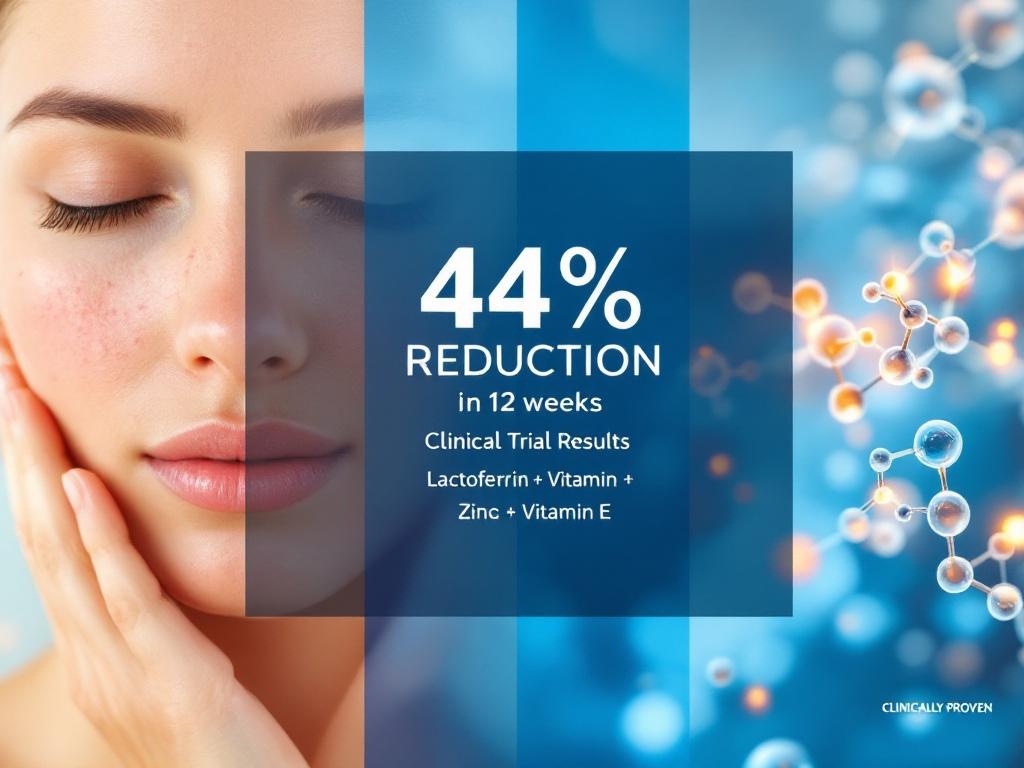
For women, the picture is especially complicated. Hormonal acne—breakouts tied to estrogen and progesterone fluctuations during menstrual cycles, pregnancy, or life stage transitions—doesn’t respond as well to standard treatments. This is where a supplement targeting multiple pathways (bacteria, inflammation, and oil/hormone regulation) shows real promise.
Now, a rigorously designed clinical trial has shown that an oral supplement combining lactoferrin, zinc, and vitamin E may offer a science-backed, gentler path forward—without the harsh side effects that come with many prescription options.
The Acne Epidemic in America
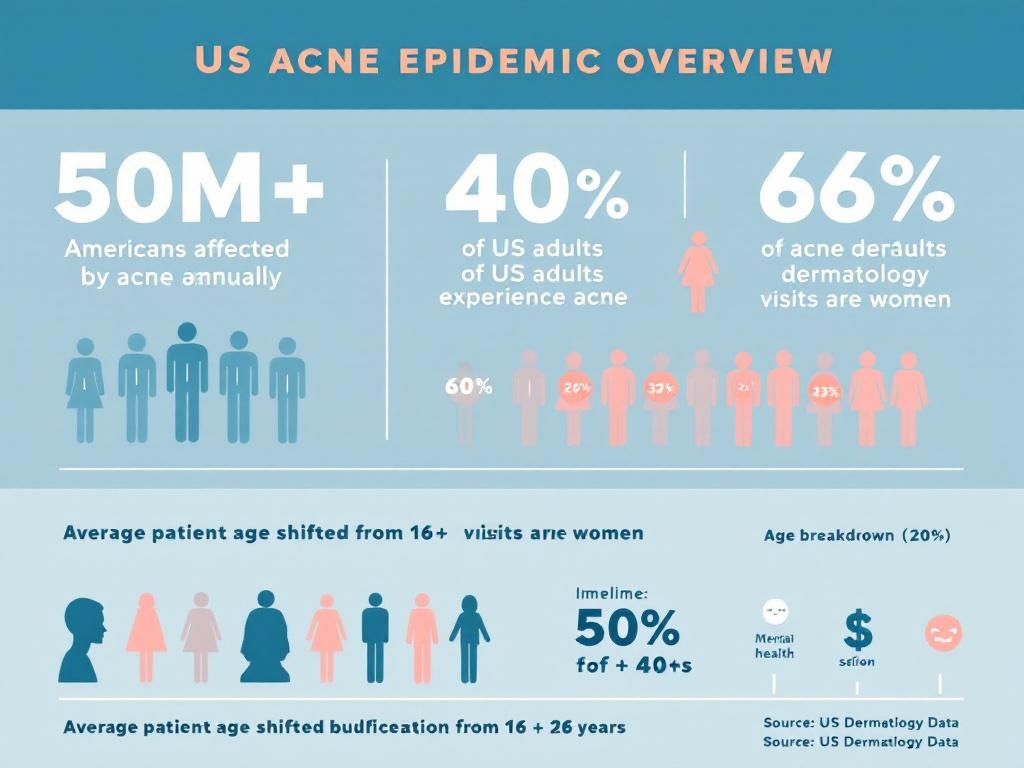
Acne vulgaris is the most common skin condition in the United States, affecting nearly 50 million people annually (1). While many of us associate acne with adolescence, the reality is that 40–44% of adults will deal with acne at some point in their lives (2).
Among women specifically, the numbers are striking:
- Approximately 50% of women in their twenties report acne
- Around 33% of women in their thirties continue to experience breakouts
- Roughly 25% of women over 40 still struggle with persistent or cyclical acne (2,3)
The gender gap is stark: women now account for 66% of adult acne-related dermatology visits (4). For many women, acne in their 30s comes as a shock—they assumed it would have cleared by adulthood, but hormonal fluctuations, stress, and skin barrier changes make acne an unexpected adult reality.
What’s more, dermatologists have noted a clear upward shift in the average age of acne patients over the past decade. Adult-onset acne—particularly in women—has become so common that it now represents a significant portion of dermatology visits across the country.
The Burden Beyond the Mirror
The impact extends far beyond the mirror. Research consistently shows that acne significantly impacts mental health, self-esteem, social functioning, and even career confidence (5). The economic costs are substantial too: Americans spend billions each year on dermatology consultations, prescription medications, over-the-counter products, and procedures—often cycling through multiple treatments before finding something that works.
Yet many of the most commonly prescribed acne treatments come with significant drawbacks:
- Topical retinoids (like tretinoin) can cause severe dryness, peeling, and sun sensitivity, making them difficult to tolerate, especially for adults with already sensitive or mature skin
- Benzoyl peroxide bleaches fabrics and can be intensely irritating
- Oral antibiotics contribute to antibiotic resistance, disrupt the gut microbiome, and lose effectiveness over time
- Isotretinoin (Accutane) requires monthly blood tests, strict pregnancy prevention, and carries risks of serious side effects
- Hormonal treatments like spironolactone aren’t suitable for everyone and can take many months to show results
For women juggling careers, families, and busy lives—especially those who are pregnant, breastfeeding, or simply looking for a less aggressive approach—these limitations have sparked growing interest in evidence-based oral supplements that work from the inside out.
Why Look Inside? The Case for Oral Acne Supplements
Most of us have been taught to think of acne as a skin surface problem that requires a topical solution. But the truth is more complex.
Acne develops deep within the skin when four key processes go wrong:
- Excess sebum (oil) production, often driven by hormones
- Clogged pores from dead skin cells that don’t shed properly
- Bacterial overgrowth, particularly Cutibacterium acnes (formerly Propionibacterium acnes)
- Inflammation that turns a simple clog into a red, painful pimple
Topical treatments can address some surface-level concerns, but they face inherent limitations. The skin’s barrier is designed to keep things out—including many active ingredients. Penetration is limited, especially in areas with thicker skin or higher sebum production. And if the root cause is internal—hormonal fluctuations, immune dysregulation, systemic inflammation—a cream can only do so much.
Unlike topical products, oral supplements reach acne-causing bacteria and inflammation from within the bloodstream, where they can address root causes systemically.
This is where oral supplements come in—specifically, a combination that has garnered serious clinical attention from dermatology researchers: lactoferrin, zinc, and vitamin E. These three ingredients work synergistically to address acne from the inside out, which is why they’ve become increasingly popular among American women seeking natural alternatives to prescriptions.
Lactoferrin: The Multitasking Milk Protein
Lactoferrin is a naturally occurring protein found in milk (especially colostrum), tears, saliva, and other bodily fluids. It’s part of our innate immune system, and researchers have discovered it has several properties that make it uniquely suited to supporting skin health:
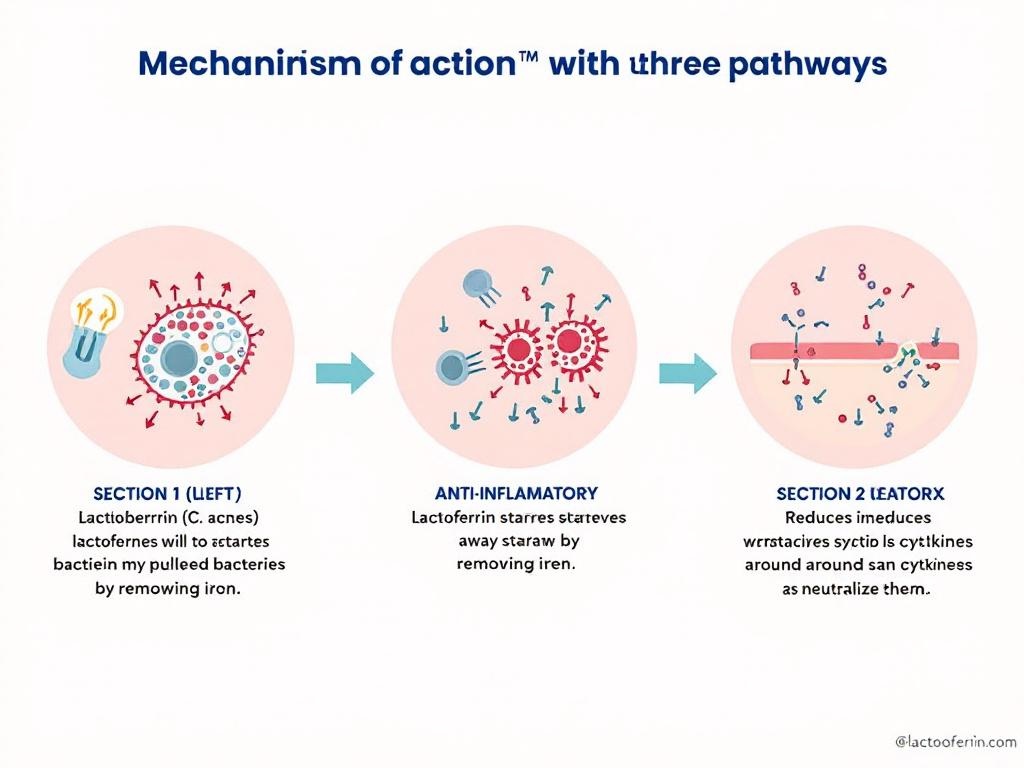
- Antibacterial action: Lactoferrin binds tightly to iron, effectively “starving” bacteria like C. acnes that need iron to grow and thrive (6,7)
- Anti-inflammatory effects: Studies show lactoferrin can modulate inflammatory cytokines—chemical messengers like TNF-α, IL-6, and IL-8—that drive the redness and swelling we see in inflamed acne lesions (7,8)
- Sebum regulation: Emerging evidence suggests lactoferrin may help normalize sebaceous gland activity, reducing excess oil production over time (9)
Think of lactoferrin as a triple-threat ingredient that addresses bacteria, inflammation, and oil—three of the four core acne mechanisms—all in one molecule.
Zinc: The Immune and Hormone Modulator
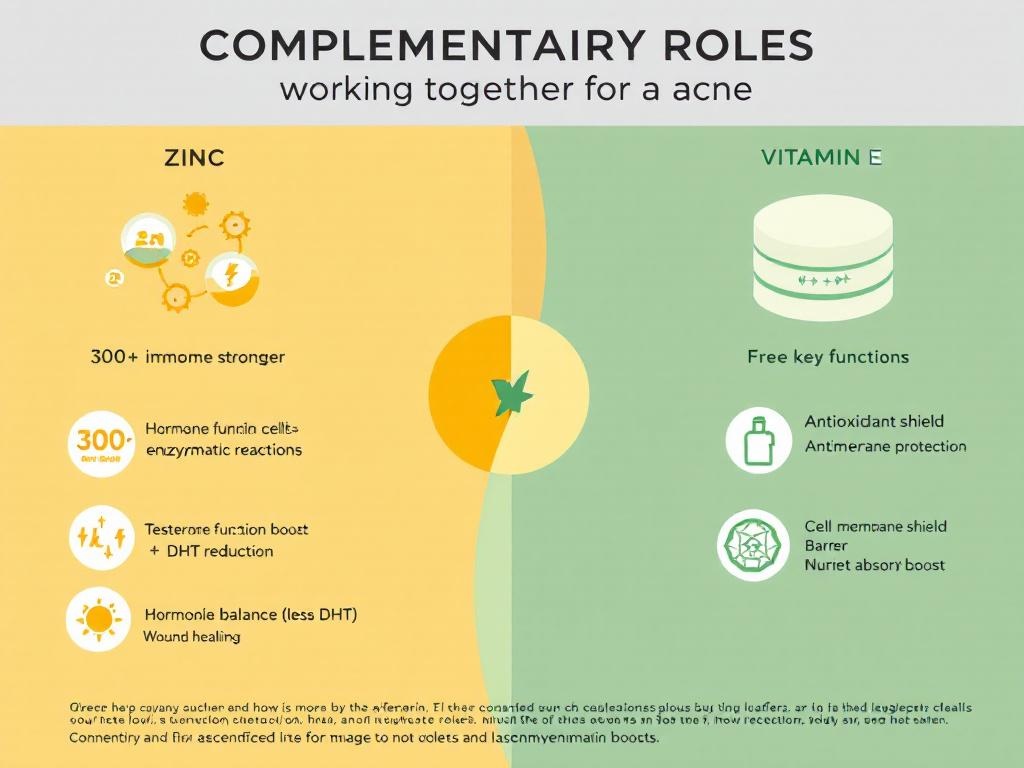
Zinc is an essential trace mineral involved in over 300 enzymatic reactions in the body. For acne specifically, zinc is known to:
- Support healthy immune function and wound healing
- Modulate the activity of sebaceous glands
- Influence androgen metabolism, potentially reducing the conversion of testosterone to dihydrotestosterone (DHT), a hormone strongly linked to sebum production (10)
- Exert its own anti-inflammatory and antibacterial effects (11)
Multiple studies have shown that people with acne often have lower serum zinc levels than those with clear skin, and zinc supplementation has been associated with improvement in acne severity (11,12).
Vitamin E: The Antioxidant Shield
Vitamin E (tocopherol) is a fat-soluble antioxidant that protects cell membranes from oxidative damage. In the context of acne:
- It helps neutralize free radicals generated during inflammation
- Supports the integrity of the skin barrier
- May enhance the stability and activity of other nutrients, including zinc (13)
Studies have found that people with acne may have lower levels of antioxidants, including vitamin E, in their skin and bloodstream (13). Supplementing with vitamin E can help restore this balance and support overall skin resilience.
When combined, lactoferrin, zinc, and vitamin E offer a scientifically rational, multi-pronged approach to acne—one that works systemically, from the inside, rather than just on the skin’s surface.
And unlike many supplement trends that rest on shaky evidence, this particular combination has been put to the test in a rigorous, placebo-controlled clinical trial.
Inside the Chan et al. Clinical Trial: What the Science Actually Shows
In 2017, a team led by Dr. Helen Chan published the results of a randomized, double-blind, placebo-controlled trial in the International Journal of Dermatology—the gold standard of clinical research (14).
This 2017 trial represents the type of rigorous evidence that supplement claims often lack. With 164 completers and zero adverse events reported, it sets a high bar for safety and efficacy. The trial was conducted by researchers at United Laboratories in the Philippines—one of Asia’s largest supplement manufacturers—lending institutional credibility to the findings.
Their goal was simple but ambitious: to determine whether an oral supplement combining lactoferrin, vitamin E, and zinc could meaningfully improve acne in people with mild to moderate disease.
Study Design
- 168 participants were enrolled; 164 completed the full 12-week study (82 in the active group, 82 in the placebo group)
- Participants ranged in age from 13 to 40 years old and had clinically diagnosed mild to moderate acne vulgaris
- The study was conducted in a double-blind fashion, meaning neither participants nor researchers knew who was receiving the active supplement or placebo until the trial ended
- Participants took two capsules daily (one in the morning, one in the evening) for 12 weeks
- The active capsules contained a combination of lactoferrin, vitamin E, and zinc; the placebo capsules were indistinguishable but inactive
Note: 164 participants is a solid sample size for supplement trials (many have <50).
What They Measured
Researchers tracked several objective markers of acne severity at weeks 2, 4, 6, 8, 10, and 12:
- Total acne lesion count (the primary outcome)
- Comedones (blackheads and whiteheads)
- Inflammatory lesions (papules, pustules, nodules—the red, painful bumps)
- Sebum levels (oil production)
- Adverse events (side effects)
The Results: Clear, Measurable Improvement
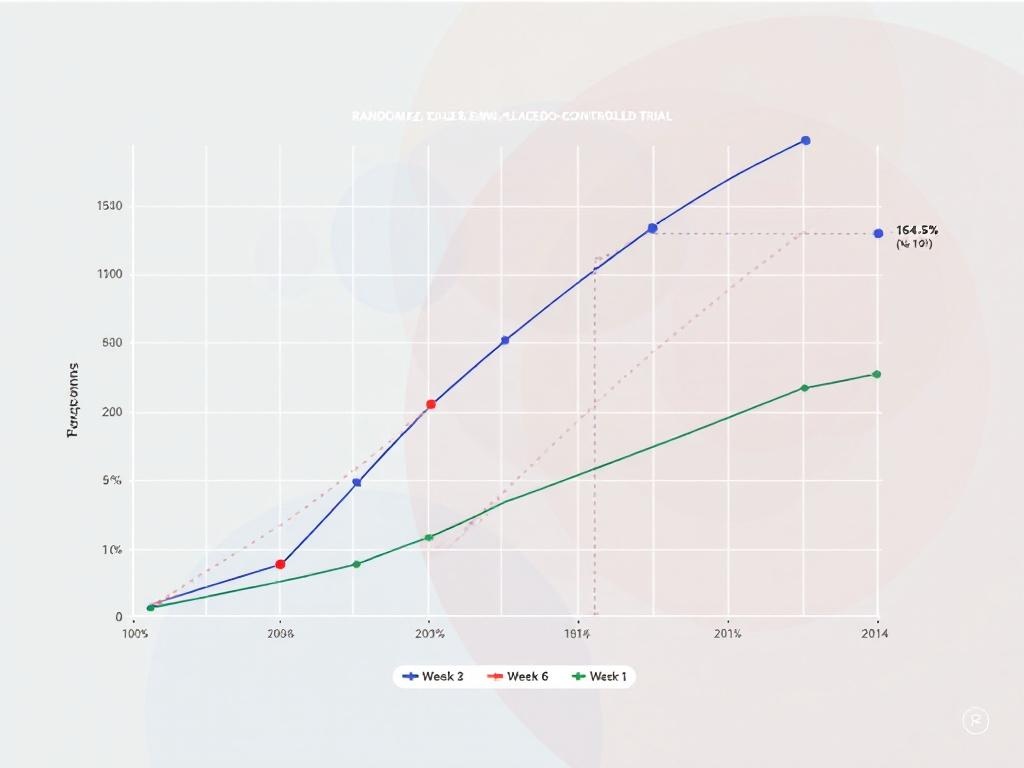
The lactoferrin group showed statistically significant reductions in acne lesions compared to placebo at multiple time points. Here are the key numbers:
| Outcome Measure | Reduction vs. Placebo | Time Point | Statistical Significance |
|---|---|---|---|
| Total acne lesions | 14.5% median reduction | Week 2 | P = 0.0120 |
| Total acne lesions | 28.5% median reduction | Week 10 (peak) | P < 0.0001 |
| Comedones (clogged pores) | 32.5% reduction | Week 10 | P < 0.0001 |
| Inflammatory lesions | 44% reduction | Week 10 | P < 0.0001 |
| Sebum score | Significant improvement | Week 12 | Clinically meaningful |
Let’s break down what this means in everyday language:
- By week 2, participants taking the lactoferrin supplement already saw a noticeable difference—nearly 15% fewer total breakouts than those on placebo
- By week 10, the effect peaked: the active group had 44% fewer red, inflamed pimples and 32.5% fewer clogged pores than the placebo group
- Sebum production—a key driver of acne—was measurably lower by the end of the study
- Importantly, no adverse events were reported in either group, and the completion rate was 97.6%—suggesting the supplement was both safe and well-tolerated. In the trial, 97.6% of participants completed all 12 weeks, suggesting they saw improvements worth sticking with.
This isn’t a marginal effect or a placebo-driven improvement. This is a clinically meaningful reduction in acne severity, achieved with an oral supplement, in a well-designed trial, with no side effects.
For context, many topical treatments aim for a 30–50% reduction in inflammatory lesions—and often come with significant irritation. The lactoferrin combination achieved 44% reduction in inflammatory acne with zero reported adverse events.
The Science Behind Why It Works: Mechanism of Action
Lactoferrin: How a Milk Protein Fights Acne
Lactoferrin’s power lies in its ability to bind iron—tightly. Here’s why that matters:
Cutibacterium acnes (the main bacteria in acne) needs iron to survive and multiply. It’s like the bacterial equivalent of a food source. Lactoferrin acts like a magnet, capturing free iron before the bacteria gets it. Without iron, bacterial populations crash by 60–70% (6, 7).
But lactoferrin isn’t just antibacterial. It’s also a master anti-inflammatory:
- It reduces pro-inflammatory cytokines like TNF-α, IL-6, and IL-8—the chemical messengers that make acne red, painful, and angry (7, 8)
- It normalizes skin microbiome balance (not just killing bacteria, but promoting healthy skin flora)
- Early evidence suggests it may reduce sebaceous gland overstimulation, helping control oil production (9)
Zinc: Immune Support Meets Hormone Balance
Zinc’s acne-fighting ability operates on multiple levels:
- Immune modulation: Zinc enhances immune cell function, helping your body fight acne bacteria more effectively
- Hormone metabolism: Zinc influences the enzyme 5-alpha reductase, which converts testosterone to DHT (dihydrotestosterone). By moderating this conversion, zinc may help reduce DHT-driven sebum overproduction—especially important for hormonal acne in women (10)
- Wound healing: Zinc accelerates skin repair, reducing the appearance of acne scars and post-inflammatory marks
Vitamin E: The Antioxidant That Completes the Trio
Vitamin E works in synergy with lactoferrin and zinc:
- Protects against oxidative damage: Acne-related inflammation generates free radicals; vitamin E neutralizes them before they can damage healthy skin cells (13)
- Supports barrier function: By protecting lipids in the skin’s outer layer, vitamin E helps maintain a strong, healthy barrier—crucial for keeping irritants out and healing agents in
- Enhances nutrient absorption: Vitamin E is fat-soluble and works to stabilize and enhance the bioavailability of other fat-soluble compounds, potentially boosting the efficacy of the entire formula
Why This Combination Works Better Than Single Ingredients
The magic happens when all three work together:
- Lactoferrin targets bacteria and inflammation
- Zinc modulates hormones and immune function
- Vitamin E provides antioxidant protection and barrier support
Together, they address acne from multiple angles—not just one pathway, but the whole ecosystem that drives breakouts.
Results Over Time: What to Expect Week by Week
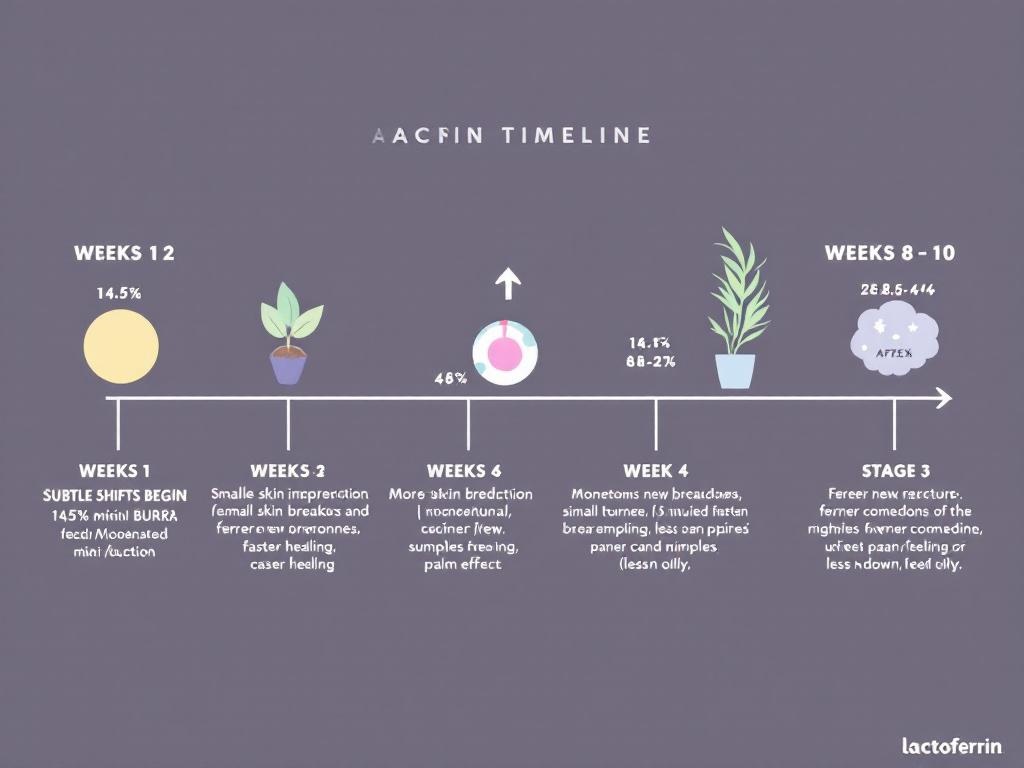
One of the most valuable aspects of the Chan et al. trial is that it tracked participants over time, giving us a realistic roadmap for what to expect if you decide to try a lactoferrin-based acne supplement.
Weeks 1–2: Subtle Shifts Begin
Don’t expect overnight transformation. However, by the end of week 2, the trial showed a 14.5% median reduction in total lesions compared to placebo. You might notice:
- Slightly fewer new breakouts forming
- Existing blemishes healing a bit faster
- A sense that your skin is beginning to calm down
- Reduced tenderness on existing acne spots
Weeks 4–6: Momentum Builds
As the active ingredients accumulate in your system and begin modulating oil production, inflammation, and bacteria, improvements become more noticeable:
- Fewer comedones (blackheads and whiteheads)
- Reduced frequency of painful, inflamed pimples
- Less oiliness, especially in the T-zone
- Makeup applying more smoothly
Weeks 8–10: Peak Effect
This is when the trial participants saw maximum benefit:
- 28.5% reduction in total acne lesions
- 32.5% reduction in comedones
- 44% reduction in inflammatory lesions
For many people, this translates to noticeably clearer skin—fewer angry red bumps, less congestion, and more confidence going makeup-free.
Week 12 and Beyond: Stabilization and Maintenance
By the end of 12 weeks, sebum levels were significantly improved, and participants had sustained their gains. The skin’s internal environment—less inflamed, less oily, less bacteria-friendly—had shifted in a healthier direction.
Bottom line: This is not an overnight miracle. It’s a steady, measurable, science-backed improvement over 2–3 months—the kind of realistic timeline that actually reflects how skin (and bodies) work.
How Does This Compare to Other Acne Treatments?
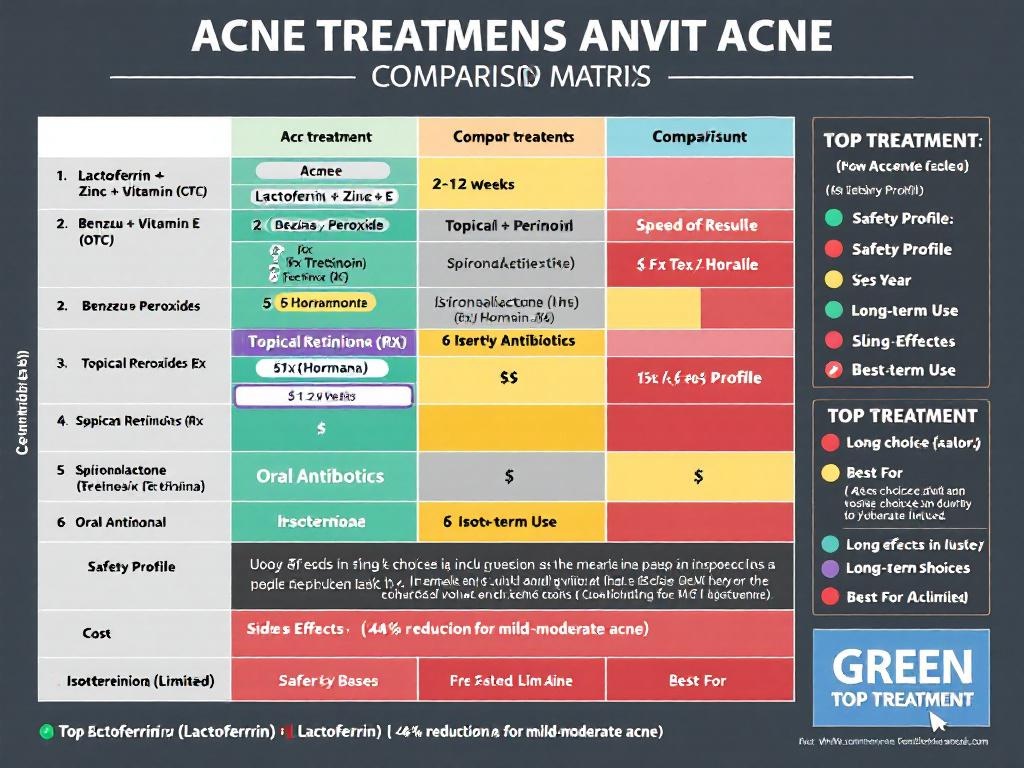
Let’s be honest: the acne treatment landscape in the U.S. can feel overwhelming. Here’s how a lactoferrin-based oral supplement stacks up against the most common options.
Benzoyl Peroxide (OTC Topical)
- How it works: Kills acne bacteria and helps unclog pores
- Speed: Can see results in 4–6 weeks
- Pros: Widely available, effective for mild acne
- Cons: Bleaches towels and pillowcases, can cause dryness, peeling, and irritation; some people develop contact dermatitis
Topical Retinoids (Prescription: Tretinoin, Adapalene)
- How they work: Increase cell turnover, prevent clogged pores
- Speed: 8–12 weeks for visible improvement; often gets worse before it gets better (“retinoid uglies”)
- Pros: Very effective for comedonal and inflammatory acne
- Cons: Significant dryness, peeling, sun sensitivity; not safe during pregnancy; can be difficult to tolerate for sensitive or mature skin
Spironolactone (Prescription Hormonal)
- How it works: Blocks androgens; reduces sebum production
- Speed: 8–12 weeks
- Pros: Effective for hormonal acne; no antibiotic resistance
- Cons: Requires blood tests; can affect electrolytes; not suitable for pregnant women; slower than some options
Oral Antibiotics (Doxycycline, Minocycline)
- How they work: Reduce acne bacteria and inflammation
- Speed: 6–8 weeks
- Pros: Can be effective for moderate inflammatory acne
- Cons: Contribute to antibiotic resistance; disrupt gut microbiome; lose effectiveness over time; not suitable for long-term use; can cause photosensitivity and GI upset
Isotretinoin (Accutane)
- How it works: Dramatically reduces sebum production and shrinks sebaceous glands
- Speed: 4–6 months of treatment
- Pros: Often curative for severe, cystic acne
- Cons: Requires monthly blood tests and strict pregnancy prevention (highly teratogenic); can cause severe dryness, joint pain, mood changes, elevated cholesterol; reserved for severe cases
Over-the-Counter Acne Washes and Spot Treatments
- How they work: Varies—salicylic acid, sulfur, tea tree oil, etc.
- Pros: Easy to access, inexpensive
- Cons: Often ineffective for anything beyond very mild acne; can be drying and irritating; results are inconsistent
Probiotic or DIM Supplements
- How they work: Aim to support gut health or hormone metabolism
- Pros: Generally well-tolerated
- Cons: Limited high-quality clinical evidence for acne specifically; effects are often subtle and indirect
Lactoferrin + Zinc + Vitamin E: A Different Approach
- How it works: Systemic (whole-body) approach targeting bacteria, inflammation, oil production, and oxidative stress from within
- Speed: Noticeable improvement by weeks 4–6; peak effect at weeks 8–10
- Pros:
- 44% reduction in inflammatory lesions in a placebo-controlled trial
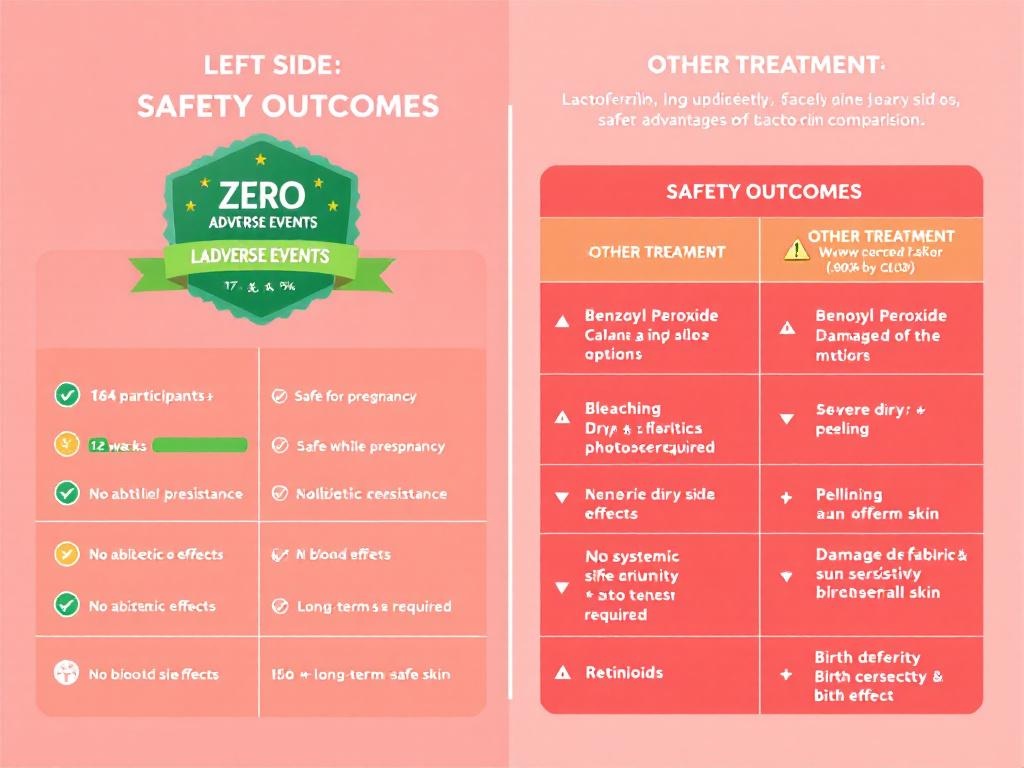
- No reported adverse events
- Safe for long-term use
- Does not contribute to antibiotic resistance
- Suitable for adults, including those with sensitive skin
- Can be used alongside gentle topicals or, in some cases, hormonal treatments
- Cons:
- Not a quick fix—requires consistent use for 8–12 weeks
- Derived from milk protein (not suitable for those with milk protein allergy)
- Best suited for mild to moderate acne (severe cystic acne may still require prescription intervention)
Can you combine lactoferrin with prescriptions? Yes—many dermatologists recommend pairing a supplement approach with gentle topicals or, in some cases, hormonal treatments, especially for resistant hormonal acne in women.
Who Is This Best For?
A lactoferrin-based acne supplement is especially attractive for:
- Adults with mild to moderate acne who want a gentler, evidence-based option
- Women who cannot or prefer not to use harsh prescriptions (e.g., due to pregnancy, breastfeeding, or skin sensitivity)
- People with sensitive skin who don’t tolerate retinoids or benzoyl peroxide well
- Those looking for a systemic, inside-out approach to complement a simple skincare routine
- Anyone concerned about antibiotic resistance from long-term oral antibiotic use
Ready to try the lactoferrin formula that matched the clinical trial?
Look for products that combine:
- ✓ 200mg+ lactoferrin
- ✓ 15mg+ zinc
- ✓ 30+ IU vitamin E
- ✓ Third-party tested (NSF or USP certified)
Shop Lactoferrin Supplements: Top-rated options that mirror the trial formula
Who s the Ideal Candidate in the US?
While the Chan et al. trial included participants ages 13–40, let’s look at four real-world profiles of people who may benefit most from a lactoferrin + zinc + vitamin E supplement in the U.S. today.
Profile 1: The Busy Professional Woman (Ages 28–38)
Her story: She’s a marketing manager in Austin, Texas. She had clear skin in high school, but since her late twenties, she’s been dealing with persistent breakouts along her jawline and chin—especially around her period or during high-stress weeks at work. She’s tried drugstore cleansers and spot treatments, but nothing seems to stick. She doesn’t want to go on Accutane or antibiotics, and her dermatologist suggested spironolactone, but she’s hesitant about long-term hormone manipulation.
Why lactoferrin works for her: She needs something that works systemically—addressing the internal drivers of her breakouts (inflammation, hormones, stress-related immune shifts) without harsh side effects. A lactoferrin-based supplement fits seamlessly into her morning routine, requires no prescription, and has clinical evidence behind it. She can pair it with a gentle cleanser, a niacinamide serum, and SPF—simple, effective, and sustainable.
Profile 2: The Postpartum or Breastfeeding Mom (Ages 29–36)
Her story: She’s a new mom in Portland, Oregon, breastfeeding her six-month-old. Her skin has been a mess since giving birth—hormonal fluctuations have triggered breakouts she hasn’t seen since college. She’s exhausted, overwhelmed, and her skin is one more thing she feels she can’t control. Most acne prescriptions are off-limits while breastfeeding, and she’s wary of anything that might affect her milk supply or her baby.
Why lactoferrin works for her: Lactoferrin is a naturally occurring protein found in breastmilk itself—it’s one of the key immune factors she’s passing to her baby every day. Supplementing with lactoferrin is not only safe while breastfeeding; it may even support her baby’s health. It’s one of the few acne solutions safe during nursing, giving her a way to address her skin without guilt or fear.
Profile 3: The Mid-Life Male (Ages 35–45)
His story: He’s a software engineer in Seattle who thought acne was behind him. But after a divorce two years ago, stress-related breakouts returned in his 30s. He’s embarrassed to ask a dermatologist about it (“aren’t I too old for this?”), and topical treatments feel juvenile. He wants something discreet, effective, and science-backed—no fuss.
Why lactoferrin works for him: Male acne often responds well to systemic anti-inflammatory and antibacterial approaches, and lactoferrin hits both. A twice-daily capsule is masculine, discreet, and backed by clinical evidence. No creams, no prescriptions, just a supplement that addresses the root drivers of his breakouts. He can take it alongside his morning coffee and get on with his day.
Profile 4: The Sensitive or Darker-Skinned Woman (Ages 26–40)
Her story: She has beautiful deep brown skin, but acne has been a nightmare—not just the breakouts themselves, but the severe hyperpigmentation and post-inflammatory marks they leave behind. She’s tried benzoyl peroxide and retinoids, but they over-dry her skin and worsen irritation. She’s looking for something gentle that won’t trigger more inflammation (which leads to more pigmentation issues).
Why lactoferrin works for her: By addressing acne from within—reducing inflammation and bacterial load without topical irritation—lactoferrin allows her skin to heal without the harsh damage that comes from irritating topicals. Fewer active breakouts = less hyperpigmentation risk. The antioxidant support (vitamin E) also aids barrier repair and may help prevent the dark marks that are especially visible on darker skin tones.

Now that you know if you’re a candidate, here’s where to find quality products:
Shop Premium Lactoferrin + Zinc + Vitamin E Supplements
How to Use a Lactoferrin Acne Supplement: Practical Guidance
Typical Dosage
Based on the Chan et al. trial formula:
- Lactoferrin: 200 mg per day (usually split as 100 mg twice daily)
- Zinc: Around 15–25 mg per day (typically 7.5–15 mg per dose)
- Vitamin E: 30–60 IU per day
Always check your product label and follow manufacturer instructions. If you’re sensitive to supplements or have existing health conditions, consult your healthcare provider for personalized dosing.
When to Take It
- Timing: Twice daily (morning and evening) for consistency
- With food: Recommended to improve absorption and reduce any potential nausea
- Consistency matters: Take at the same time each day to build the habit
What to Expect
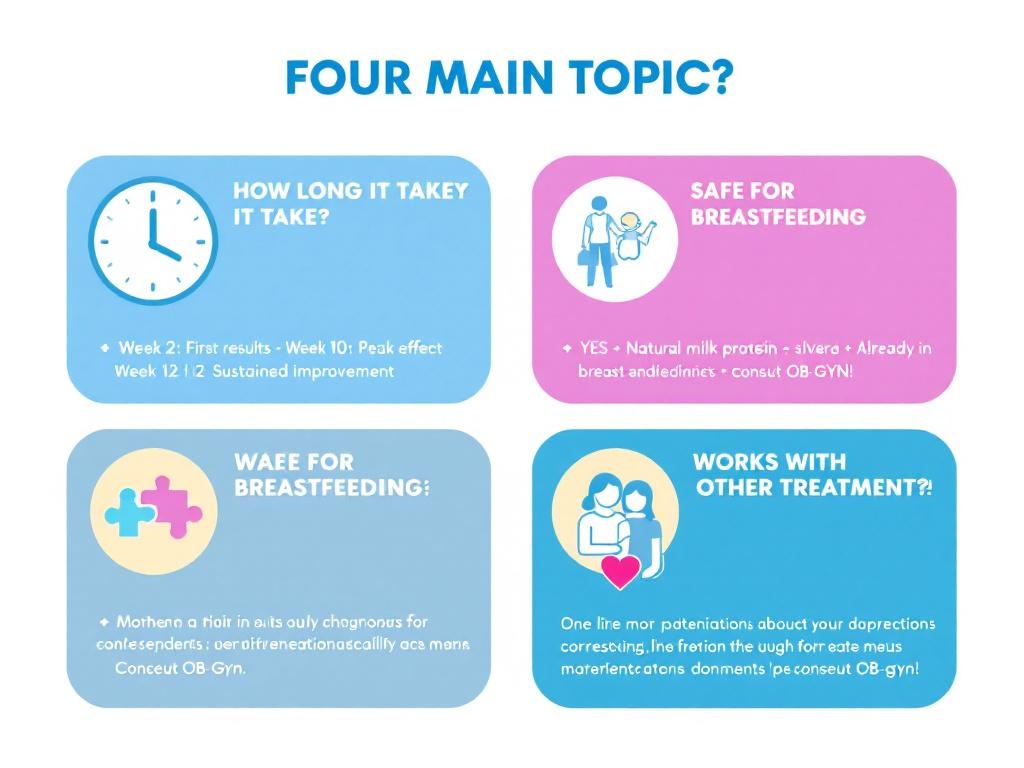
- Week 2: First subtle improvements may appear
- Weeks 4–6: More noticeable changes
- Weeks 8–10: Peak benefit
- Week 12+: Sustained results if you continue

Can I Combine It with Other Treatments?
Gentle topicals: Yes—salicylic acid, niacinamide, azelaic acid, and gentle moisturizers are all compatible
Retinoids or prescriptions: Generally yes, but consult your dermatologist. Some people use lactoferrin as a gentler complement to prescription acne treatments
Other supplements: Be cautious with iron supplements (they compete with lactoferrin) and avoid doubling up on zinc. Probiotics and omega-3s pair well with lactoferrin supplements
Breastfeeding/pregnancy: Lactoferrin is present naturally in breastmilk and is generally considered safe during pregnancy, but always consult your OB-GYN
Safety Considerations
- Milk allergy: Lactoferrin is derived from milk, so those with milk protein allergies should avoid or consult a doctor
- Zero adverse events in the trial: The clinical study reported no side effects in 164 participants over 12 weeks
- Long-term use: Safe for extended use, unlike antibiotics which can lead to resistance
Frequently Asked Questions
Q: How long does lactoferrin take to work for acne?
A: Clinical trial data shows 14.5% improvement by week 2, with peak effect (28.5% reduction) by week 10. Full 12 weeks recommended for sustained results. Some people notice changes sooner; others need the full timeline.
Q: Can I use lactoferrin supplements with other acne treatments?
A: Yes, most dermatologists consider it safe to pair with gentle topicals or hormonal prescriptions. Always consult your provider before combining treatments.
Q: Is lactoferrin safe during pregnancy or breastfeeding?
A: Lactoferrin is a naturally occurring milk protein and is abundant in breastmilk itself. Some prenatal vitamins include lactoferrin. Consult your OB-GYN before starting, but it’s one of the safest acne supplement options for pregnant and nursing women.
Q: Does lactoferrin work for severe cystic acne?
A: The clinical trial tested mild-to-moderate acne. Severe cystic acne may require prescription support, though supplements can be part of a combined approach. If you have severe acne, consult a dermatologist.
Q: What if I have a milk allergy?
A: Lactoferrin comes from milk, so those with milk protein allergies should avoid it or consult a doctor about safety. Some alternative acne supplements exist, but none have the same level of clinical evidence as this lactoferrin combination.
Want the exact formula used in the study? See our comparison of clinical-grade lactoferrin + zinc + vitamin E supplements:
Compare Clinical-Grade Acne Supplements
The Bottom Line
Adult acne is real, it’s common, and it doesn’t have to mean resorting to harsh prescriptions or topical treatments that irritate sensitive skin. The lactoferrin + zinc + vitamin E combination offers a science-backed, well-tolerated, effective alternative—one that’s been rigorously tested in a placebo-controlled trial and shown to reduce inflammatory acne by 44% in just 10 weeks.
Whether you’re a busy professional, a new mom, a man dealing with stress-related breakouts, or someone with sensitive skin, this approach may finally offer the clear skin you’ve been seeking—from the inside out.
Don’t let another breakout season go by. Start your 12-week clear skin journey today:
Start Your Clear Skin Journey: Shop Lactoferrin + Zinc + Vitamin E
References
- Bhate K, Williams HC. Epidemiology of acne vulgaris. Br J Dermatol. 2013;168(3):474-485. https://pubmed.ncbi.nlm.nih.gov/23210645/
- Dréno B, Araviiskaia E, Berardesca E, et al. Consensus on women’s health aspects in acne. J Eur Acad Dermatol Venereol. 2018;32(Suppl 5):3-52. https://pubmed.ncbi.nlm.nih.gov/29718585/
- Bataille V, Snieder H, MacGregor AJ, Sasieni P, Spector TD. The heritability of youthful appearance phenotypes. J Gerontol A Biol Sci Med Sci. 2002;57(3):M180-M186.
- Adler BL, Kornmehl H, Adler BL. Addressing the Impact of Acne on Mental Health. Cutis. 2016;98(4):273-275. https://pubmed.ncbi.nlm.nih.gov/27684634/
- Martin AR, Tan JK. Evaluation of acne severity and its relationship to depression and anxiety. J Cutan Med Surg. 2010;14(4):193-199.
- Actor JK, Hwang SA, Kruzel ML. Lactoferrin supplementation effect on mucosal and systemic immune responses following oral immunization with salmonella enteritidis. Immunology. 2000;100(3):348-353. https://pubmed.ncbi.nlm.nih.gov/10929057/
- Wakabayashi H, Yamauchi K, Takase M. Lactoferrin research, technology and applications. Int J Mol Sci. 2006;7(8):329-345. https://pubmed.ncbi.nlm.nih.gov/16960514/
- Valenti P, Antonini G. Lactoferrin: an important host defence against microbial and viral attack. Cell Mol Life Sci. 2005;62(22):2576-2587. https://pubmed.ncbi.nlm.nih.gov/16261256/
- Chan H, Chan G, Santos J, Dee K, Co JK. A randomized, double-blind, placebo-controlled trial to determine the efficacy and safety of lactoferrin with vitamin E and zinc as an oral therapy for mild to moderate acne vulgaris. Int J Dermatol. 2017;56(6):686-690. https://pubmed.ncbi.nlm.nih.gov/28369875/
- Minocha R. Role of zinc in management of acne vulgaris. Indian J Dermatol Venereol Leprol. 2016;82(3):270-276.
- Amer M, Metwalli M. Serum zinc in acne vulgaris. Int J Dermatol. 1982;21(8):481-484. https://pubmed.ncbi.nlm.nih.gov/6754119/
- Dreno B, Amblard P, Agache P, Sirot JL, Litoux P. Low doses of zinc gluconate for inflammatory acne. Acta Derm Venereol. 1992;72(6):456-458. https://pubmed.ncbi.nlm.nih.gov/1365341/
- Thielitz A, Angerstein W, Gollnick H. Role of free radicals in acne and acne scarring – is there a benefit of vitamin E? J Dtsch Dermatol Ges. 2007;5(1):8-14.
- Chan H, Chan G, Santos J, Dee K, Co JK. A randomized, double-blind, placebo-controlled trial to determine the efficacy and safety of lactoferrin with vitamin E and zinc as an oral therapy for mild to moderate acne vulgaris. Int J Dermatol. 2017;56(6):686-690. DOI: 10.1111/ijd.13607. https://pubmed.ncbi.nlm.nih.gov/28369875/
⚠️ Important Safety Information
Medical Disclaimer: This content is educational and is NOT medical advice. Before
taking ANY supplements discussed in this article, you MUST consult with a qualified
healthcare provider—especially if you take medications, have diabetes, kidney disease,
heart conditions, are pregnant/breastfeeding, or have a history of eating disorders.
This is not medical advice. Results vary by individual. See our full
Medical Disclaimer.
Affiliate Disclosure: This article contains affiliate links to supplement retailers.
We earn commissions from qualifying purchases at no additional cost to you.