
Learn how ketogenic diet rebuilds your gut bacteria for easier weight loss.
Science-backed microbiome transformation guide.
INTRODUCTION
Ketogenic diet microbiome transformation: Discover why your gut bacteria
could be the hidden factor determining whether your keto diet succeeds or fails.
When you switch to a ketogenic diet, you’re not just changing what you eat. You’re changing what feeds this entire microscopic civilization. But here’s what most people miss: Your microbiome—not just willpower or calorie counting—might be the reason your keto diet succeeds or fails. And switching to ketogenic eating triggers a complete rewiring of your gut bacteria in ways most people don’t expect.
The quality of your gut bacteria might determine whether you lose weight easily or struggle every step of the way.
YOUR MICROBIOME: THE INVISIBLE ORGAN THAT CONTROLS YOUR KETO SUCCESS
Your digestive tract houses over 8,000 different species of bacteria, viruses, and fungi. Scientists now call this collection your “microbiome,” and it weighs about 2-3 pounds—roughly the same as your brain.
But unlike your brain, your microbiome is constantly changing. And nothing changes it faster than what you eat.
A landmark study tracking thousands of people found that roughly 20% of your microbiome composition is determined by your diet—not your genes, not your age, but what you put on your plate. That means you have direct control over which bacteria thrive and which ones starve.
THE WESTERN DIET PROBLEM: FEEDING THE WRONG BACTERIA
Here’s the uncomfortable truth: the standard American diet is essentially bacteria junk food.
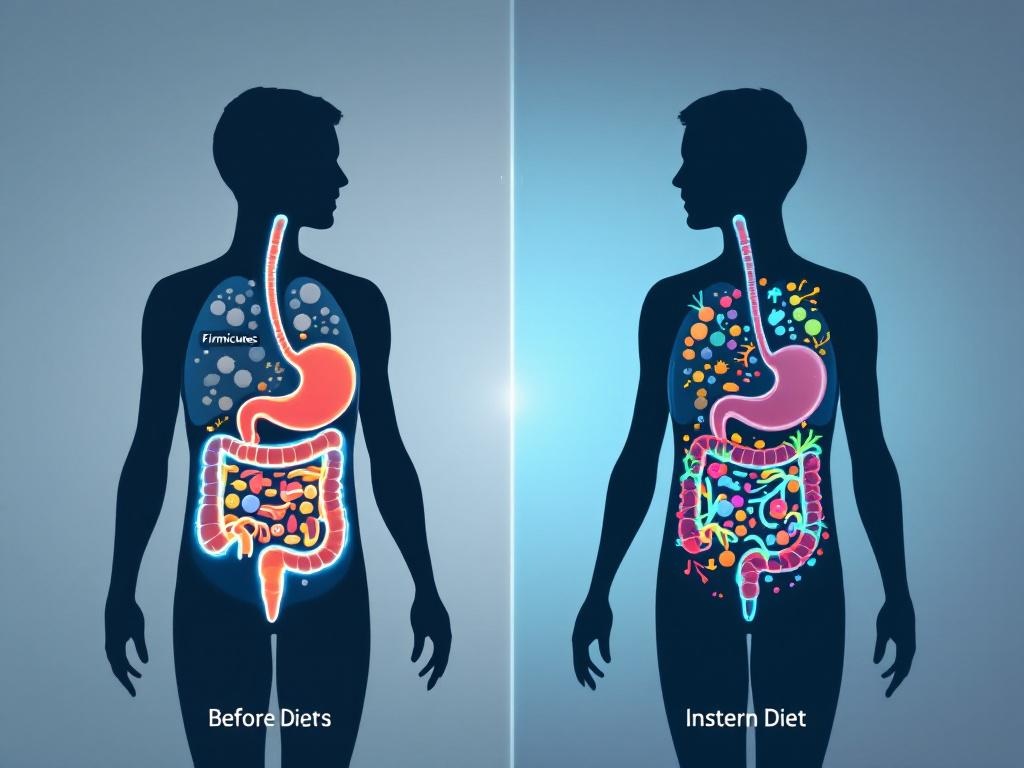
When you eat processed carbs, refined sugars, and inflammatory seed oils, you’re feeding a specific group of bacteria called Firmicutes. These bacteria are incredibly efficient at extracting calories from food and storing them as fat. They’re like microscopic hoarders that refuse to let anything go to waste.
Meanwhile, another group called Bacteroidetes gets starved out. These bacteria are associated with:
- Better weight management
- Improved insulin sensitivity
- Reduced inflammation
- Enhanced fat burning
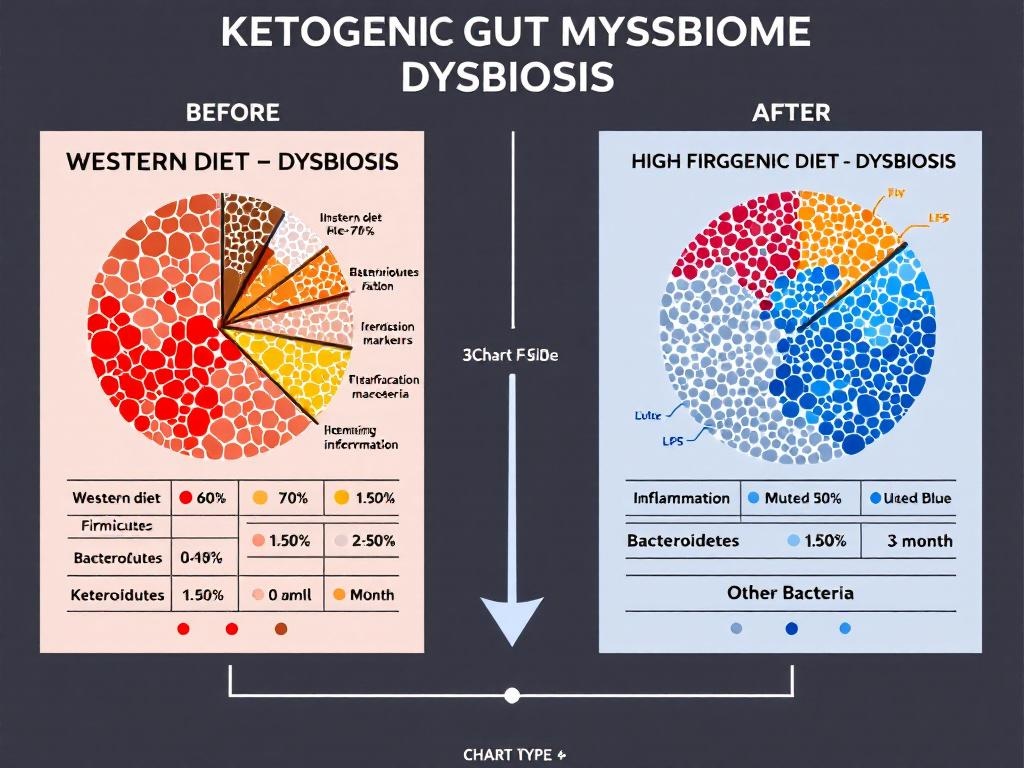
Studies on both mice and humans show that obese individuals consistently have lower Bacteroidetes and higher Firmicutes. It’s not just correlation—when researchers transplanted gut bacteria from obese mice into lean mice, the lean mice gained weight even while eating the same amount of food.
Your gut bacteria literally influence how many calories you extract from food and whether those calories get burned or stored.
WHAT HAPPENS WHEN YOU GO KETO: THE BACTERIAL SHIFT
When you drastically reduce carbohydrates and increase healthy fats, something remarkable happens in your gut. The sugar-loving Firmicutes start dying off, and the fat-adapted Bacteroidetes begin flourishing.
Research on children following a strict ketogenic diet for epilepsy found that Bacteroidetes increased by approximately 24% within just a few months. At the same time, overall bacterial diversity improved—a key marker of gut health.
But here’s the catch: this transition doesn’t happen overnight, and it doesn’t happen smoothly for everyone.
THE ROUGH TRANSITION: WHY THE FIRST TWO WEEKS ARE BRUTAL
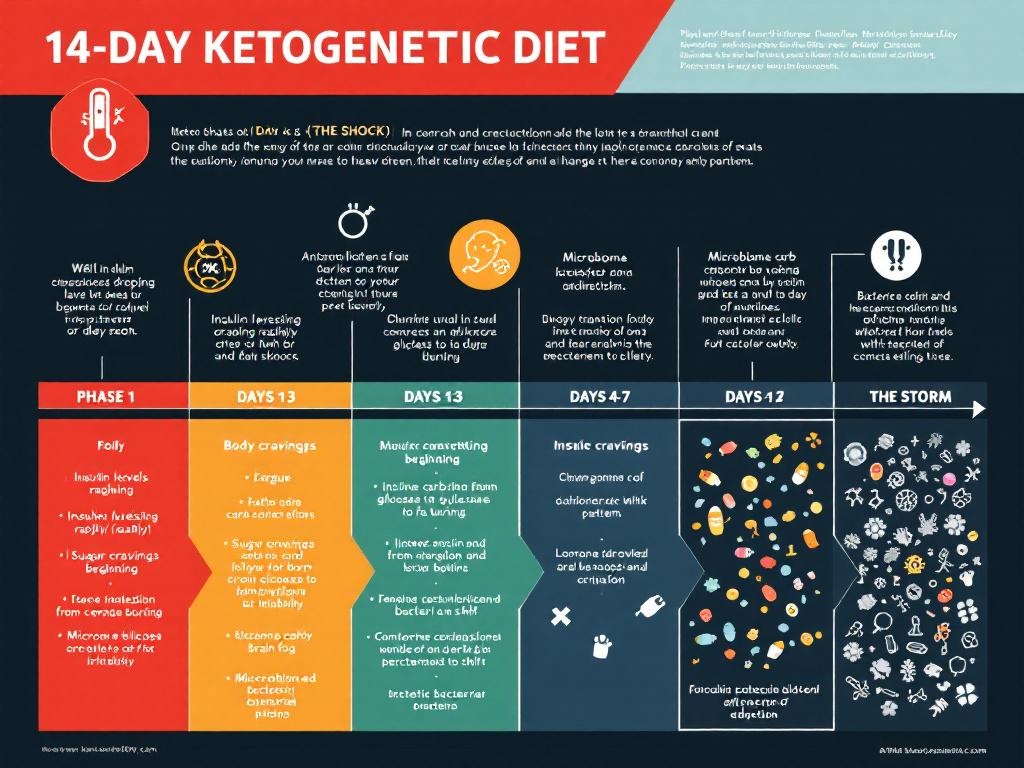
During the first 7-14 days of keto, your gut is essentially a war zone. The old bacteria are dying off (releasing toxins as they go), and the new bacteria haven’t fully established themselves yet.
What You’ll Actually Experience During This Transition:
• Digestive upset (constipation or diarrhea)
• Bloating and gas
• Fatigue and brain fog
• Intense carb cravings (your old bacteria are literally sending “feed me” signals to your brain)
A study examining a modified ketogenic diet found that participants who successfully adapted showed significant increases in beneficial bacteria like Akkermansia muciniphila and Faecalibacterium prausnitzii—both associated with improved metabolic health and reduced inflammation.
THE FIBER PARADOX: WHY KETO ISN’T NECESSARILY LOW-FIBER
One of the biggest misconceptions about keto is that it’s a “zero-fiber” diet. This couldn’t be further from the truth—at least not if you’re doing it right.
Your beneficial Bacteroidetes bacteria love certain types of fiber, particularly:
- Leafy greens (spinach, kale, arugula)
- Cruciferous vegetables (broccoli, cauliflower, Brussels sprouts)
- Avocados
- Nuts and seeds (especially flaxseed and chia)
These foods are all keto-friendly and provide the prebiotic fiber that feeds your good bacteria.
Research shows that ketogenic dieters who include plenty of low-carb vegetables maintain better bacterial diversity than those who eat only meat and cheese. Your gut bacteria need fiber to produce short-chain fatty acids (SCFAs) like butyrate—compounds that reduce inflammation and support intestinal health.
Practical takeaway: Don’t just eat “keto.” Eat “keto with vegetables.” Your microbiome will thank you.
THE INFLAMMATION CONNECTION: HOW YOUR GUT TALKS TO YOUR BRAIN
Here’s where things get really interesting. Your gut bacteria don’t just influence digestion—they influence your entire body through something called the “gut-brain axis.”
When harmful bacteria dominate, they produce inflammatory compounds called lipopolysaccharides (LPS) that leak through your intestinal wall into your bloodstream. This triggers system-wide inflammation, which is linked to:
- Depression and anxiety
- Brain fog
- Insulin resistance
- Chronic fatigue
When you shift to a ketogenic diet and improve your bacterial balance, you’re not just losing weight—you’re reducing inflammation throughout your entire body. This is why many people report that their mood, energy, and mental clarity improve dramatically after the first few weeks of keto.
But again: you have to get through those first few weeks.
WHAT THIS MEANS FOR YOU
Your gut microbiome isn’t just a passive bystander in your weight loss journey—it’s an active participant. Feed it the right foods (healthy fats, fiber-rich vegetables, and minimal sugar), and it becomes your ally. Feed it processed carbs and sugar, and it works against you.
The ketogenic diet fundamentally reshapes your microbiome in a positive direction, but the transition period is real and can be challenging. Your body isn’t just adapting to burning fat instead of glucose—your entire gut ecosystem is being rebuilt from the ground up.
Here’s the reality: 87% of people who start keto quit within 14 days. Not because keto doesn’t work. Not because they lack willpower. But because they didn’t prepare for the transition.
IMPORTANT: This article discusses significant dietary changes. If you have digestive conditions, take medications, or have immune disorders, consult your doctor first.
SOFT RECOMMENDATION
The good news? You don’t have to be in that 87%.
Many people who start keto are shocked by how difficult the first 10-14 days feel. The fatigue, the cravings, the digestive issues—it’s all connected to this microbial transition happening in your gut. This is exactly why experienced keto dieters often use targeted supplemental support during the adaptation phase.
What Successful Keto Adapters Do:
• Get through those first 10-14 days somehow
• Maintain energy while their microbiome shifts
• Suppress carb cravings during bacterial transition
• Avoid the digestive chaos that derails most people
How NuviaLab Keto Helps:
✓ Formulated specifically for the microbiome transition (not generic B vitamins)
✓ Green tea extract (EGCG) – clinical-dose to accelerate fat oxidation
✓ Garcinia cambogia (HCA) – combines with Chromium for appetite control during carb cravings
✓ Coleus forskohlii (Forskolin) – supports energy when depleted
✓ Supports energy without synthetic stimulants
→ GET THROUGH WEEK 2 OF KETO WITHOUT THE STRUGGLE
Think of it as a bridge that gets you from “struggling through adaptation” to “thriving in ketosis”—the point where your microbiome has shifted, your hunger has dropped, and fat burning becomes effortless.
DISCLAIMER
This material is for informational purposes only and does not replace professional medical advice. Changes to your diet can significantly impact your health, especially if you have existing digestive conditions, immune disorders, or take medications that affect gut function. Always consult with a healthcare provider before making major dietary changes. If you experience severe digestive symptoms lasting more than two weeks on a ketogenic diet, seek medical evaluation.
SCIENTIFIC RESEARCH REFERENCES
Rothschild et al., 2018 – “Environment dominates over host genetics in shaping human gut microbiota.” Nature, 555(7695), 210-215.
https://www.nature.com/articles/nature25973
Ley et al., 2006 – “Microbial ecology: human gut microbes associated with obesity.” Nature, 444(7122), 1022-1023.
https://www.nature.com/articles/4441022a
Lindefeldt et al., 2019 – “The ketogenic diet influences taxonomic and functional composition of the gut microbiota in children with severe epilepsy.” NPJ Biofilms and Microbiomes, 5, 5.
https://www.nature.com/articles/s41522-018-0073-2
Nagpal et al., 2019 – “Modified Mediterranean-ketogenic diet modulates gut microbiome and short-chain fatty acids and improves ischemic heart disease markers.” Medicine, 98(48), e13221.
https://journals.lww.com/md-journal/fulltext/2019/11290/modified_mediterranean_ketogenic_diet_modulates.98.aspx
Paoli et al., 2019 – “Ketogenic diet and microbiota: friends or enemies?” Genes, 10(7), 534.
https://www.mdpi.com/2073-4425/10/7/534
Forsythe et al., 2016 – “Gut microbiota-brain axis: diet, microbiome, and neuropsychiatry.” Current Opinion in Gastroenterology, 32(2), 140-146.
https://journals.lww.com/cogastroenterology/fulltext/2016/03000/Gut_microbiota_brain_axis__diet,_microbiome,.9.aspx
⚠️ Important Safety Information
Medical Disclaimer: This content is educational and is NOT medical advice. Before
taking ANY supplements discussed in this article, you MUST consult with a qualified
healthcare provider—especially if you take medications, have diabetes, kidney disease,
heart conditions, are pregnant/breastfeeding, or have a history of eating disorders.
This is not medical advice. Results vary by individual. See our full
Medical Disclaimer.
Affiliate Disclosure: This article contains affiliate links to supplement retailers.
We earn commissions from qualifying purchases at no additional cost to you.