
Section 1: The Real Problem Nobody’s Talking About
You’ve done everything right. You’ve cut the sodium, started walking after dinner, and switched to whole grains. Your doctor prescribed a statin, maybe added a blood pressure medication. Your numbers improved—on paper, at least.
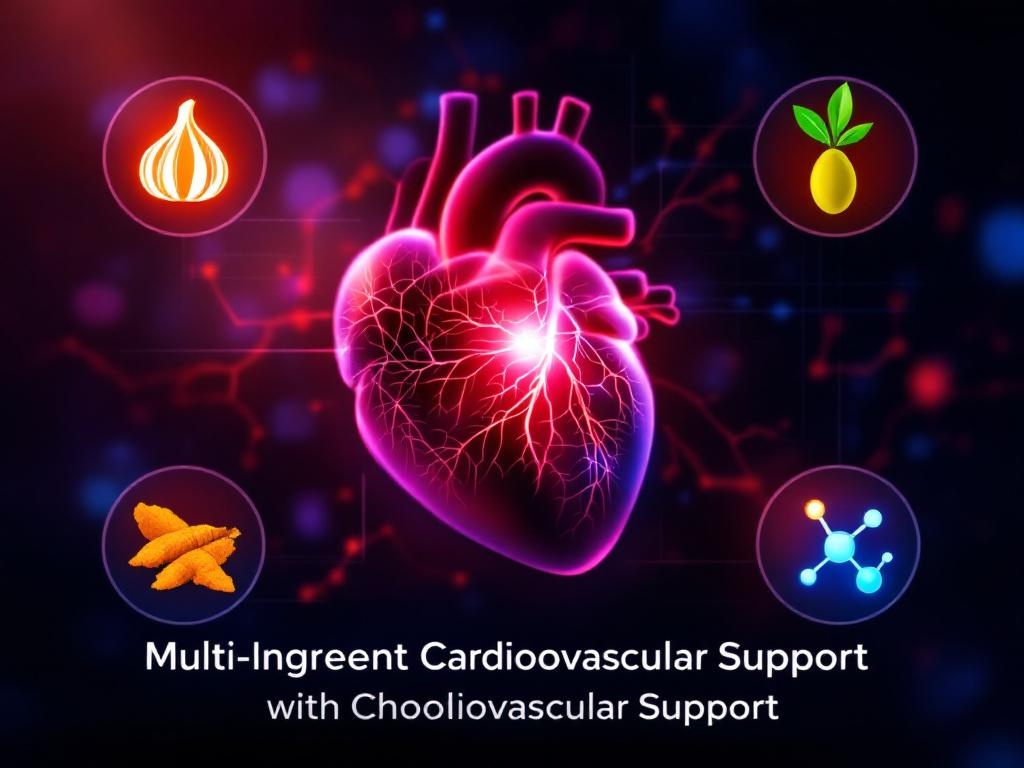
But here’s what most people don’t realize: managing cardiovascular health isn’t just about lowering a single number. It’s about addressing multiple interconnected systems—arterial flexibility, inflammation, oxidative stress, and liver function—that all influence your heart health simultaneously.
The conventional approach often targets one problem at a time. High cholesterol? Here’s a statin. High blood pressure? Add a beta-blocker. Inflammation? We’ll monitor it. But your cardiovascular system doesn’t work in isolation. These processes happen together, influence each other, and require a more comprehensive approach.
This is where recent clinical research becomes particularly interesting. A landmark study published in Integrated Blood Pressure Control examined aged garlic extract in patients with uncontrolled hypertension—but the findings revealed something far more significant than simple blood pressure reduction. The study opened a window into how natural compounds might address cardiovascular health from multiple angles simultaneously.
What if the future of cardiovascular support isn’t about choosing between conventional medicine and natural approaches, but about understanding how evidence-based natural compounds can work alongside your current regimen to address the full spectrum of cardiovascular risk factors?
Section 2: The AGE at Heart Trial—Double-Blind Study on Aged Garlic Extract for Blood Pressure
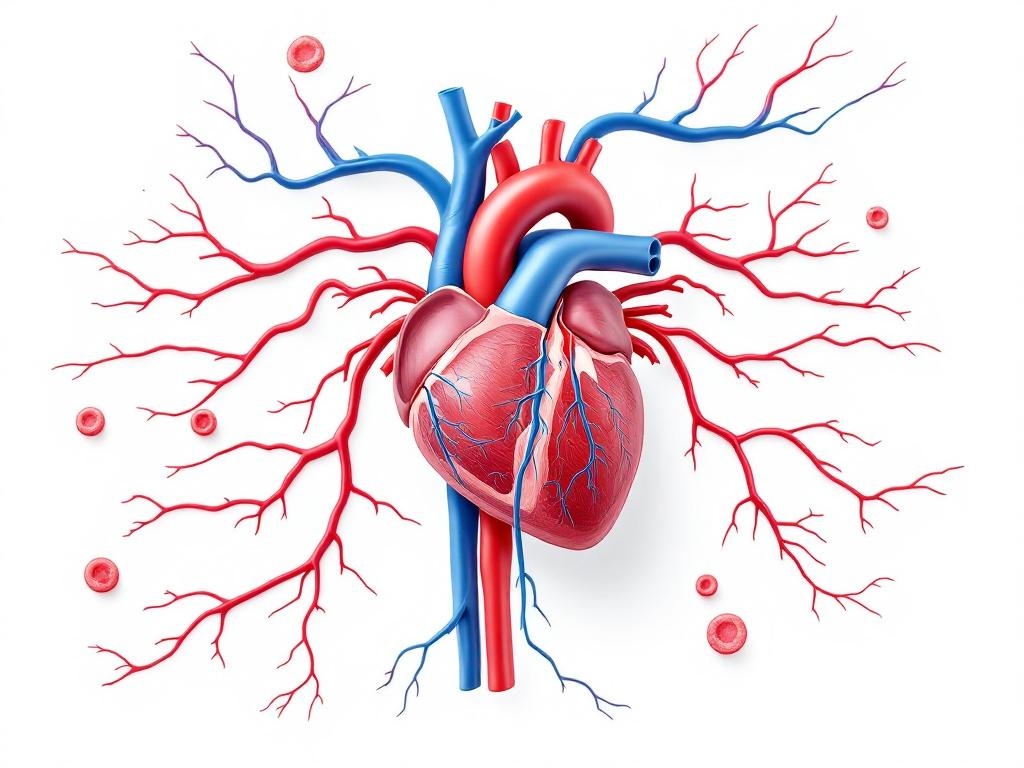
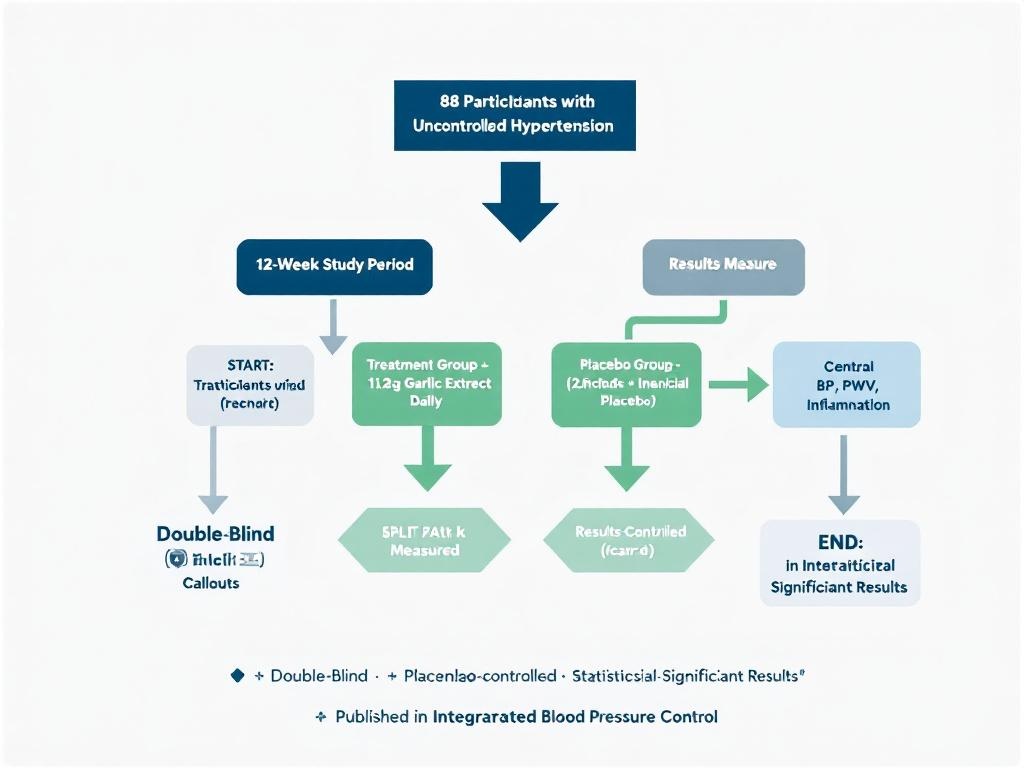
The AGE at Heart trial wasn’t just another supplement study. Published in 2016 by researchers Ried, Travica, and Sali, this was a double-blind, randomized, placebo-controlled clinical trial—the gold standard in medical research—conducted over 12 weeks with 88 patients who had uncontrolled hypertension despite being on medication.
Let’s be clear about what “uncontrolled hypertension” means: these were people whose blood pressure remained elevated (≥140/90 mmHg) even while taking prescription antihypertensive medications. They weren’t looking for an alternative to medicine; they needed additional support beyond what their current treatment provided.
The study design was rigorous. Participants received either 1.2 grams daily of aged garlic extract (specifically Kyolic brand) or an identical-looking placebo. Neither the participants nor the researchers knew who received which until after the study concluded. Blood pressure was measured using validated protocols, and researchers tracked not just peripheral blood pressure (the reading from your arm), but also central blood pressure and arterial stiffness—measurements that often predict cardiovascular events more accurately than standard readings.
The trial was published in a peer-reviewed journal and registered with the Australian New Zealand Clinical Trials Registry, meeting all standards for clinical research transparency. This wasn’t a marketing study; it was legitimate cardiovascular research.
But here’s the critical limitation: The study examined aged garlic extract alone. While the results were promising, they also revealed something important—individual responses varied significantly. Some participants experienced substantial benefits, while others showed minimal change. This variation pointed to a fundamental truth about cardiovascular health: single-ingredient approaches have inherent limitations.
Section 3: The Numbers That Matter—And What They Really Mean
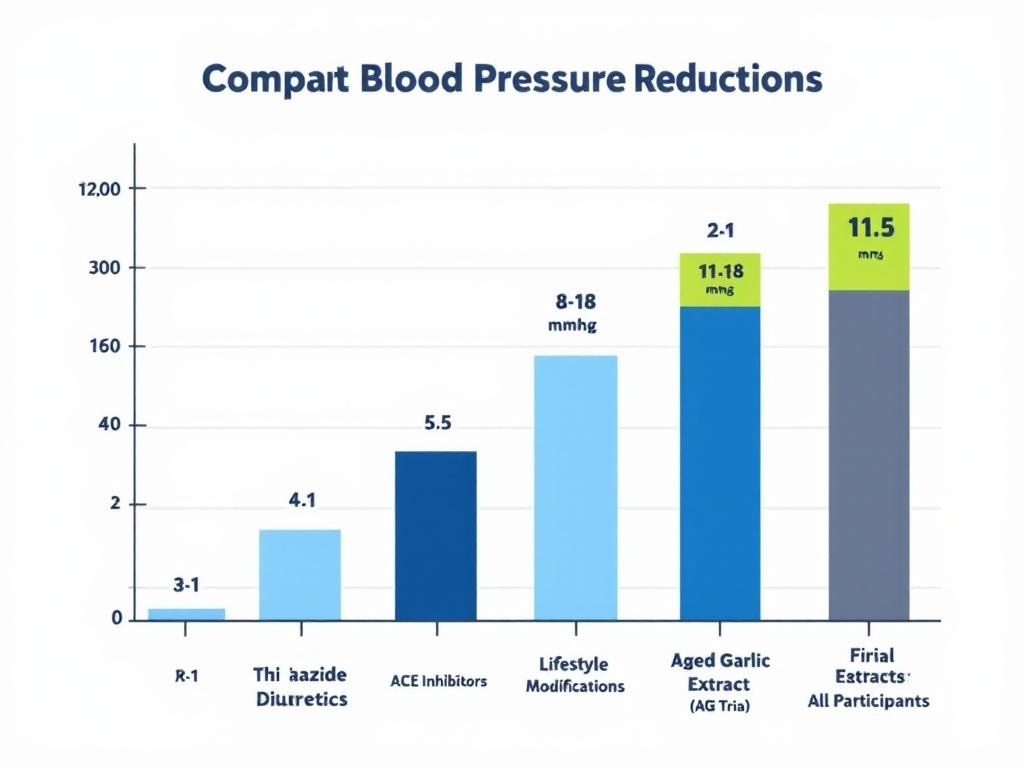
The overall results showed a 5 mmHg reduction in systolic blood pressure across all participants—a statistically significant finding (P=0.016). For context, many physicians consider a 5 mmHg reduction clinically meaningful, as population studies suggest this level of reduction correlates with approximately 8-10% lower risk of stroke and 5% lower risk of coronary heart disease.
But the story gets more interesting when researchers looked at “responders”—the 50-60% of participants who showed the most significant response. In this group, systolic blood pressure dropped by 11.5 mmHg and diastolic by 6.3 mmHg (P<0.001). These are reductions comparable to some first-line antihypertensive medications.
To put this in perspective:
- Thiazide diuretics (like hydrochlorothiazide) typically reduce blood pressure by 8-15 mmHg systolic
- ACE inhibitors (like lisinopril) typically reduce blood pressure by 10-15 mmHg systolic
- Lifestyle modifications (DASH diet, sodium reduction, weight loss) typically reduce blood pressure by 4-11 mmHg systolic
The responder group’s 11.5 mmHg reduction falls squarely within the range of pharmaceutical interventions—achieved with a natural compound, in people already taking blood pressure medication.
But here’s the reality check: 40-50% of participants were “non-responders” who experienced minimal blood pressure changes. This isn’t a failure of the research; it’s a window into the complexity of cardiovascular health. Your response to any intervention—natural or pharmaceutical—depends on your unique biochemistry, nutritional status, genetic factors, and underlying mechanisms driving your condition.
This variation in response became a crucial insight: cardiovascular health requires addressing multiple pathways simultaneously, not just one.
Section 4: Why Some People Respond and Others Don’t
The responder phenomenon isn’t unique to aged garlic extract. It’s observed across cardiovascular interventions, including prescription medications. But understanding why responses vary can help you make more informed decisions about your own cardiovascular support strategy.
The AGE at Heart researchers identified several factors that appeared to influence response:
B Vitamin Status and Homocysteine
Elevated homocysteine—an amino acid linked to cardiovascular risk—often indicates inadequate B vitamin status (particularly B6, B12, and folate). Garlic’s cardiovascular benefits appear partially dependent on adequate B vitamins to support the biochemical pathways through which it works. Participants with poor B vitamin status showed less response to aged garlic extract.
This reveals a fundamental principle: nutrients and natural compounds work within your existing biochemistry. If you’re deficient in cofactors needed for specific pathways, even evidence-based compounds may underperform.
Genetic Variation
Genetic polymorphisms affecting nitric oxide production, hydrogen sulfide metabolism, and antioxidant systems influence how effectively your body responds to garlic’s active compounds. Some people naturally produce more of the enzymes that convert garlic’s sulfur compounds into active cardiovascular-protective molecules; others produce less.
Baseline Inflammation and Oxidative Stress
The trial showed significant reduction in TNF-α, a key inflammatory marker (P=0.05). Participants with higher baseline inflammation tended to show better responses—suggesting that aged garlic extract’s benefits may be most pronounced when inflammation is a primary driver of cardiovascular dysfunction.
Existing Medication Regimen
Some antihypertensive medications work through mechanisms that overlap with garlic’s effects (like ACE inhibitors, which also influence nitric oxide). Others work through completely different pathways (like calcium channel blockers). The specific medications you’re taking may influence how much additional benefit you experience from natural compounds.
This is where the multi-ingredient approach becomes crucial. If your cardiovascular challenges stem from multiple factors—inflammation, oxidative stress, impaired liver function, arterial stiffness—addressing only one pathway leaves other contributors unchecked. A comprehensive formula that targets multiple mechanisms simultaneously increases the likelihood that you’ll address your specific underlying issues.
Section 5: Beyond the Arm Cuff—Central Blood Pressure and Arterial Stiffness
One of the most significant aspects of the AGE at Heart trial was its measurement of central hemodynamics—cardiovascular metrics that often predict heart attack and stroke risk more accurately than the blood pressure reading from your arm.
What Is Central Blood Pressure?
When your doctor measures blood pressure, they’re typically measuring peripheral blood pressure—the pressure in your brachial artery (upper arm). But the pressure experienced by your heart, brain, and kidneys—your central blood pressure—can be quite different.
Here’s why: Your arteries aren’t rigid pipes. They expand and contract with each heartbeat, and they generate pressure waves that travel through your vascular system. Stiff, inflexible arteries amplify these pressure waves, increasing the workload on your heart and the pressure experienced by delicate organs like your brain and kidneys.
The AGE at Heart trial found that aged garlic extract reduced central systolic blood pressure by 3.8 mmHg (P=0.05). While this might seem modest, central blood pressure is a stronger predictor of cardiovascular events than peripheral readings in many populations.
Pulse Wave Velocity—Measuring Arterial Age
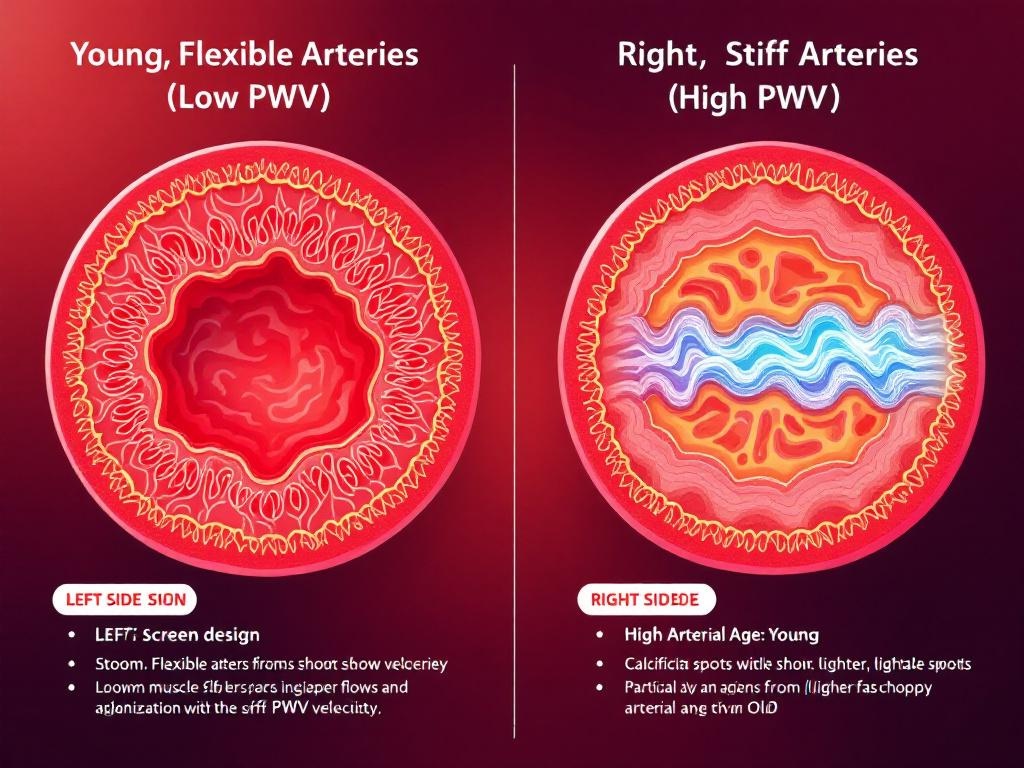
Perhaps even more significant was the effect on pulse wave velocity (PWV)—a measure of arterial stiffness. Think of PWV as your “arterial age.” Stiff arteries allow pressure waves to travel faster; flexible, youthful arteries slow them down.
In participants with elevated baseline PWV, aged garlic extract reduced PWV by 0.33 m/s (P=0.02). This might sound technical, but it’s clinically meaningful. Research shows that every 1 m/s increase in PWV correlates with approximately 15% higher cardiovascular risk. Reducing PWV by 0.33 m/s represents a measurable improvement in arterial health—essentially making your arteries “younger.”
Why This Matters
You can have “normal” arm blood pressure readings while still having stiff arteries and elevated central blood pressure—hidden cardiovascular risk that standard measurements miss. This is particularly common as we age, and it’s why some people with “borderline” blood pressure readings still experience cardiovascular events.
The AGE trial’s findings on central hemodynamics and arterial stiffness suggest that aged garlic extract doesn’t just lower blood pressure numbers—it appears to improve the fundamental health and flexibility of the arterial system itself.
But here’s the catch: Arterial stiffness results from multiple factors—oxidative damage to arterial walls, chronic inflammation, calcium deposition, and glycation (sugar-related damage). Addressing arterial health comprehensively requires targeting all these mechanisms, not just one.
Section 6: The Mechanisms—How These Four Ingredients Actually Work
Understanding how natural compounds influence cardiovascular health transforms them from “folk remedies” into rational, science-based interventions. Let’s examine the four key ingredients in comprehensive cardiovascular formulas and their distinct mechanisms.
Aged Garlic Extract—The Vascular Signaling Molecule
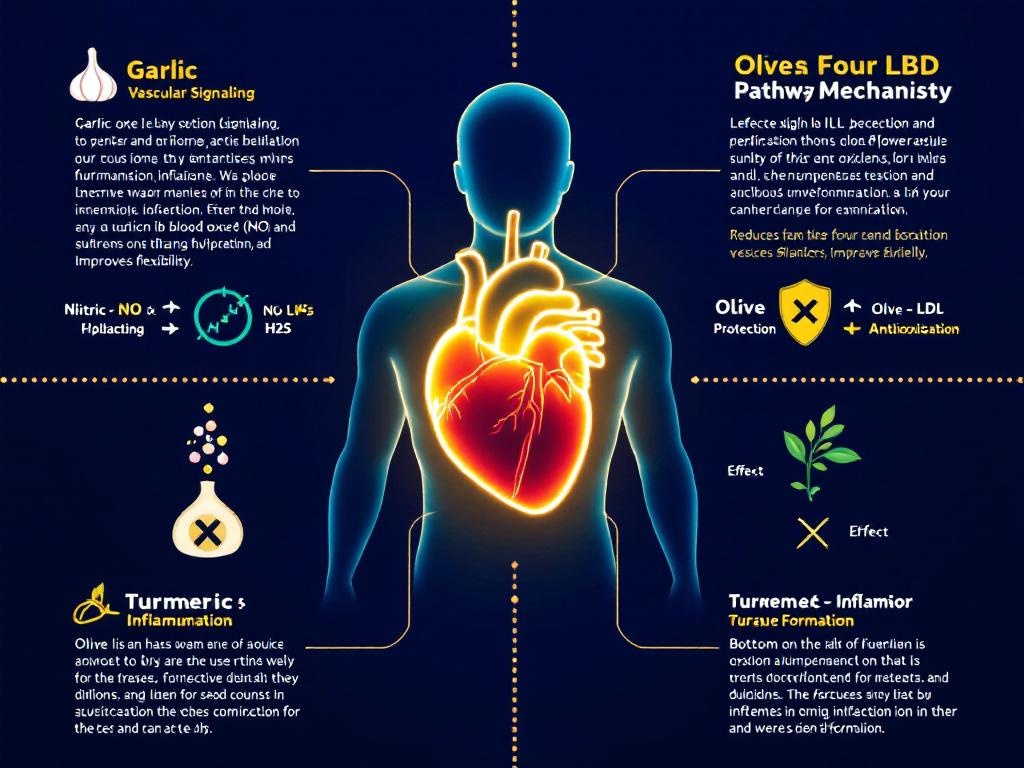
Aged garlic extract works primarily through two gaseous signaling molecules: nitric oxide (NO) and hydrogen sulfide (H₂S).
Nitric oxide is your body’s master vasodilator—it signals smooth muscle cells in arterial walls to relax, reducing blood pressure and improving blood flow. As we age, NO production declines, contributing to hypertension and arterial stiffness. Aged garlic extract enhances NO production through multiple pathways, effectively restoring youthful vascular signaling.
Hydrogen sulfide, less well-known than NO, is equally important. H₂S protects endothelial cells (the delicate lining of blood vessels), reduces oxidative stress, and modulates inflammation. Garlic’s sulfur compounds are converted into H₂S by your body’s enzymes, providing sustained cardiovascular protection.
The AGE trial documented these mechanisms in action: improved endothelial function, reduced arterial stiffness, and decreased inflammatory markers. But garlic primarily addresses vascular function—the signaling and flexibility of blood vessels.
European Olive Extract—The LDL Guardian
While garlic addresses vascular function, olive extract targets a different critical mechanism: LDL oxidation.
Here’s what most people don’t understand about cholesterol: LDL cholesterol itself isn’t inherently dangerous. The problem occurs when LDL particles become oxidized—damaged by free radicals. Oxidized LDL triggers inflammation, gets trapped in arterial walls, and initiates the atherosclerotic process that leads to plaque formation.
Olive extract, rich in polyphenols like oleuropein and hydroxytyrosol, acts as a powerful antioxidant that prevents LDL oxidation. Think of it as a protective shield around your LDL particles, allowing them to perform their necessary functions (transporting cholesterol to cells) without causing arterial damage.
Mediterranean diet studies, including the landmark PREDIMED trial, showed that high olive oil consumption reduced major cardiovascular events by approximately 30%—largely attributed to this LDL-protective effect.
Olive extract also improves endothelial function and reduces arterial stiffness through mechanisms distinct from garlic, creating complementary cardiovascular protection.
Turmeric/Curcumin—The Inflammation Modulator
Chronic low-grade inflammation drives cardiovascular disease progression. Inflammatory molecules damage arterial walls, promote plaque formation, and increase clotting risk. This is where turmeric’s active compound, curcumin, becomes relevant.
Curcumin inhibits NF-κB, often called the “master inflammation switch”. When activated, NF-κB triggers production of inflammatory cytokines like TNF-α, IL-1β, and IL-6—the same markers elevated in cardiovascular disease. By modulating NF-κB, curcumin reduces systemic inflammation at its source.
Notably, the AGE trial showed that aged garlic extract also reduced TNF-α. Combining garlic and curcumin addresses inflammation through two distinct pathways—garlic through H₂S-mediated effects, curcumin through NF-κB inhibition—creating more comprehensive anti-inflammatory coverage than either alone.
Curcumin also activates antioxidant response pathways, enhancing your body’s natural defense systems against oxidative stress. This complements olive extract’s direct antioxidant effects.
Choline—The Liver’s Cholesterol Manager
Here’s where the story gets interesting: Your liver is your body’s cholesterol factory and processing center. It produces cholesterol, packages it into lipoproteins, metabolizes it, and excretes it through bile. Choline is essential for this entire process.
Choline is required for synthesizing VLDL (very-low-density lipoprotein)—the particles your liver uses to export cholesterol and triglycerides. Without adequate choline, your liver can’t efficiently package and export fats, leading to fat accumulation in the liver and disrupted cholesterol metabolism.
Choline also supports methylation pathways, including the conversion of homocysteine (a cardiovascular risk factor) into harmless methionine. Remember how B vitamin status influenced garlic response in the AGE trial? Choline works within these same pathways, supporting the biochemical environment in which other cardiovascular compounds function.
Approximately 90% of Americans don’t consume adequate choline from diet alone. This widespread deficiency may be a hidden factor limiting cardiovascular health—and limiting response to other interventions.
The mechanistic picture is now clear: Garlic addresses vascular signaling and function. Olive protects against LDL oxidation. Curcumin modulates inflammation. Choline optimizes liver cholesterol processing. Each targets a distinct mechanism contributing to cardiovascular disease.
Section 7: The Synergy—Why Four Ingredients Work Better Than One
This is where we move from individual ingredients to comprehensive cardiovascular support—and where the science becomes particularly compelling.
The Single-Ingredient Limitation
The AGE at Heart trial revealed an important truth: even with robust evidence supporting aged garlic extract, 40-50% of participants showed minimal response. This isn’t a failure of garlic; it’s a reflection of cardiovascular disease complexity.
Consider a hypothetical patient—let’s call her Maria. Maria’s hypertension is driven primarily by three factors:
- Impaired nitric oxide production (vascular dysfunction)
- High oxidative stress causing LDL oxidation (driving atherosclerosis)
- Chronic inflammation (elevated CRP and TNF-α)
Aged garlic extract addresses factor #1 effectively. But factors #2 and #3 remain largely unaddressed. Maria might see modest improvement, but she won’t experience the comprehensive cardiovascular support her condition requires.
The Multi-Mechanism Advantage
Now imagine Maria uses a formula combining all four ingredients:
Aged garlic extract restores nitric oxide and hydrogen sulfide signaling, improving vascular function and reducing blood pressure.
Olive extract prevents her LDL from oxidizing, removing a key driver of atherosclerotic plaque formation.
Curcumin reduces her inflammatory markers (TNF-α, CRP, IL-6) through NF-κB modulation, addressing the chronic inflammation accelerating her cardiovascular disease.
Choline optimizes her liver’s cholesterol processing, ensuring efficient metabolism and export of lipids while supporting the methylation pathways that keep homocysteine in check.
Now Maria’s three primary cardiovascular risk factors are all being addressed simultaneously. The likelihood that she’ll experience meaningful improvement increases dramatically—not because any single ingredient became more powerful, but because her specific combination of underlying issues is being comprehensively targeted.
Biochemical Synergy—When 1 + 1 + 1 + 1 = 5
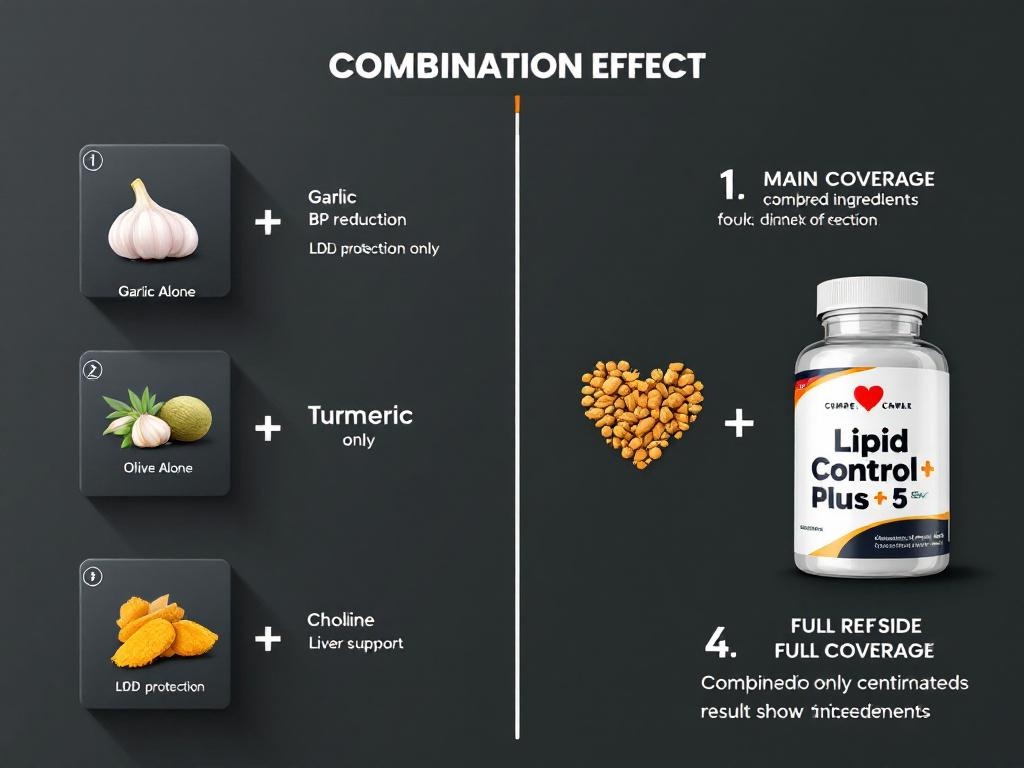
But synergy goes beyond simply addressing multiple mechanisms. These ingredients interact at the biochemical level in ways that enhance each other’s effectiveness:
Enhanced Absorption and Bioavailability: Curcumin has notoriously poor absorption, but certain compounds in olive extract may enhance its bioavailability. Similarly, garlic’s sulfur compounds may support the enzymatic systems that activate curcumin.
Complementary Antioxidant Effects: Olive extract and curcumin both function as antioxidants, but through different mechanisms and in different cellular locations. This creates comprehensive antioxidant coverage that neither achieves alone.
Inflammation Reduction Through Multiple Pathways: The AGE trial showed garlic reduces TNF-α. Curcumin also reduces TNF-α, but through different mechanisms. Attacking inflammation from multiple angles produces greater reduction than either ingredient alone.
Supporting the Biochemical Environment: Choline’s support of methylation pathways may enhance the B-vitamin-dependent mechanisms through which garlic works—potentially converting some “non-responders” to garlic into responders by optimizing the biochemical environment.
The Clinical Implication
This is why Lipid Control Plus was formulated with all four ingredients rather than relying on aged garlic extract alone, despite garlic’s strong clinical evidence. The AGE trial provided the foundation—proof that natural compounds can produce clinically meaningful cardiovascular effects. But the formula recognizes that comprehensive cardiovascular support requires addressing the full spectrum of mechanisms contributing to disease.
You’re not choosing between ingredients. You’re addressing vascular function, oxidative stress, inflammation, and metabolic processing simultaneously—the way cardiovascular disease actually develops.
Section 8: What the Broader Research Shows
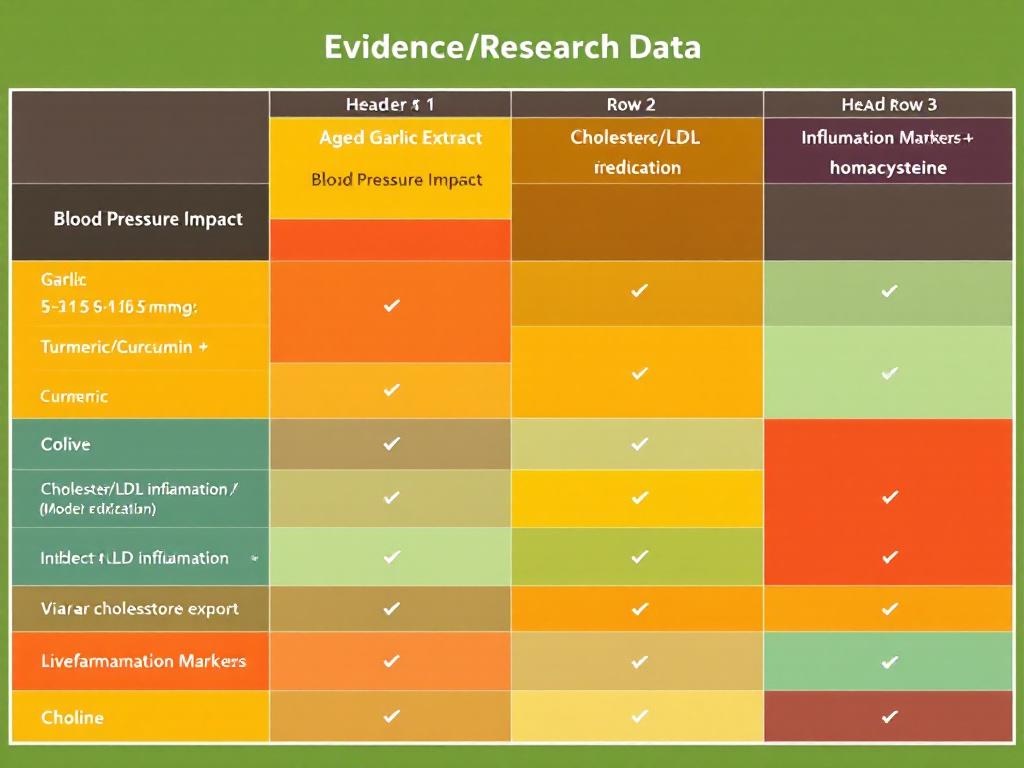
While the AGE at Heart trial provides robust evidence for aged garlic extract, examining the broader research base for all four ingredients reveals the comprehensive cardiovascular support potential of this combination.
Aged Garlic Extract—Beyond Blood Pressure
The AGE trial focused on blood pressure and arterial stiffness, but meta-analyses examining multiple studies reveal garlic’s effects on other cardiovascular markers:
- LDL Cholesterol Reduction: Meta-analyses show aged garlic extract reduces LDL cholesterol by approximately 8-10% in individuals with elevated baseline cholesterol
- Triglyceride Support: Several studies document favorable effects on triglyceride levels
- Homocysteine Modulation: Some research suggests garlic supports healthy homocysteine metabolism
- Vascular Function: Beyond blood pressure, garlic appears to improve multiple parameters of endothelial function and vascular health
Olive Extract Research
European and Mediterranean research extensively documents olive polyphenols’ cardiovascular benefits:
- LDL Oxidation Prevention: Multiple RCTs demonstrate polyphenol-rich olive extract prevents LDL from oxidizing—a critical mechanism in atherosclerosis prevention
- Endothelial Function: Improved endothelial-dependent vasodilation in humans
- Anti-inflammatory Effects: Reduction in inflammatory markers including CRP and TNF-α
- Long-term Outcomes: Mediterranean diet studies (PREDIMED, Lyon Heart Study) show cardiovascular event reduction
Turmeric/Curcumin Research
Over 500 clinical studies have examined curcumin’s effects on health markers:
- Inflammation Markers: Consistent reductions in TNF-α, IL-6, CRP, and other inflammatory cytokines
- Endothelial Function: Improvements in vascular reactivity and blood flow
- Oxidative Stress: Activation of antioxidant defense systems
- Safety Profile: Excellent tolerability even at high doses (up to 2,000 mg/day)
Choline Research
Research on choline’s role in cardiovascular health reveals:
- Liver Function: Adequate choline prevents fatty liver disease and supports cholesterol metabolism
- Homocysteine Metabolism: Choline is required for methylation pathways that convert homocysteine to methionine
- VLDL Synthesis: Choline enables the liver to efficiently export cholesterol and triglycerides
- Deficiency Prevalence: Approximately 90% of Americans fail to meet adequate intake
The Collective Evidence
When you examine the research on all four ingredients together, a compelling picture emerges. This isn’t about taking four separate supplements with modest individual effects. It’s about addressing cardiovascular health from multiple biological angles—each ingredient targeting distinct mechanisms, each enhancing the others’ effectiveness through biochemical synergy.
Section 9: Realistic Expectations and Timeline
One of the most honest aspects of cardiovascular supplement research is understanding that results aren’t instantaneous and vary significantly between individuals.
Timeline for Noticing Changes
Based on the AGE trial and related research:
- Weeks 1-2: Initial phase; some people report improved energy or digestion
- Weeks 2-4: Early biochemical changes occurring (not yet measurable externally)
- Weeks 4-8: More noticeable changes may become apparent; 50-60% of individuals show meaningful blood pressure changes
- Weeks 8-12: Optimal response window for most responders
- 3-6 Months: Full benefits typically apparent; cardiovascular markers show measurable improvement
Who Responds Best
Research suggests better response in individuals with:
- Adequate B vitamin status (particularly B6, B12, folate)
- Baseline inflammation or oxidative stress as a primary issue
- Consistent supplement use (the AGE trial showed 96.6% adherence rates correlated with better results)
- Healthy lifestyle support (diet, exercise, stress management)
- No medications that directly conflict with mechanisms of action
Who May See Modest Results
Some individuals experience minimal change, particularly those with:
- Severe hypertension requiring aggressive medication management
- Genetic factors limiting responsiveness
- Inadequate cofactors (B vitamins, magnesium, etc.) limiting biochemical pathways
- Adherence challenges
- Underlying conditions not directly addressed by these ingredients
The Honest Truth
The 40-50% “non-responder” rate in the AGE trial isn’t unusual—it’s typical for any cardiovascular intervention. This variation doesn’t mean the supplements don’t work; it reflects the complexity of cardiovascular health and individual differences in metabolism and disease mechanisms.
Section 10: Safety, Side Effects, and Drug Interactions
Safety Profile
All four ingredients have excellent safety profiles with long histories of human consumption and clinical study:
Aged Garlic Extract:
- Well-tolerated with 96.6% adherence rates in clinical trials
- Mild side effects in 40% of users (primarily reflux or transient burping in first week)
- No organ toxicity observed
- Safe with common cardiovascular medications
Olive Extract:
- Extensively consumed in Mediterranean populations for centuries
- No serious adverse effects reported in research literature
- Generally recognized as safe (GRAS) status
- Well-tolerated at all studied doses
Turmeric/Curcumin:
- Used in traditional medicine for thousands of years
- Excellent safety profile even at high doses (tested up to 2,000 mg/day)
- Well-tolerated with minimal side effects
- No organ toxicity at clinical doses
Choline:
- Essential nutrient with no known toxicity at recommended doses
- Supports rather than stresses liver function
- No serious adverse effects in clinical studies
Important Medication Interactions
Blood Thinners (Warfarin, Aspirin, Clopidogrel)
Aged garlic extract is actually safe with blood thinners. The AGE trial specifically addressed this concern, finding no increased bleeding risk. However, discuss with your healthcare provider before combining.
Blood Pressure Medications
These ingredients may enhance blood pressure-lowering effects. This can be beneficial, but requires medical monitoring to prevent over-medication. Your doctor may need to adjust medication doses.
Diabetes Medications
If you’re taking blood sugar medications, supplements that support metabolic health may enhance their effects. Monitor blood sugar and discuss with your healthcare provider.
Liver Medications
Choline actually supports liver function, but if you’re taking medications metabolized by the liver, discuss with your pharmacist.
When to Consult Your Healthcare Provider
Before starting Lipid Control Plus or any supplement, consult your healthcare provider if you:
- Are pregnant or breastfeeding
- Take prescription blood pressure or cholesterol medications
- Have liver or kidney disease
- Are scheduled for surgery
- Take blood thinners
- Have allergies to garlic or other components
- Take other supplements or have complex medical conditions
Red Flags—When to Stop
Seek medical attention if you experience:
- Unexplained bruising or bleeding
- Severe dizziness or fainting
- Chest pain or shortness of breath
- Severe allergic reactions (rash, swelling, difficulty breathing)
These symptoms require immediate medical evaluation, regardless of whether you think they’re related to supplements.
Section 11: Getting Started with Lipid Control Plus—Your Action Plan
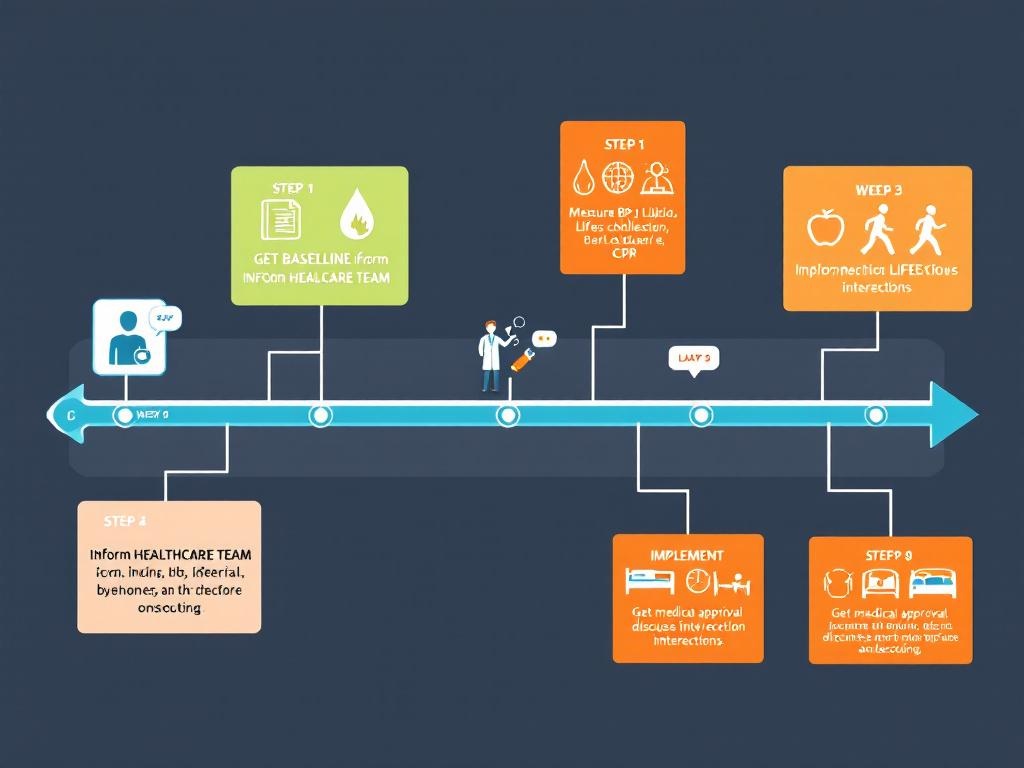
Understanding the science is important, but real cardiovascular health transformation comes from action. Here’s a practical five-step approach to implementing comprehensive cardiovascular support:
Step 1: Get Your Baseline Measurements
Before starting any supplement regimen, establish your baseline:
- Blood pressure (arm measurement and, if possible, central blood pressure)
- Lipid panel (total cholesterol, LDL, HDL, triglycerides)
- Inflammatory markers (CRP, TNF-α if available)
- Liver function (ALT, AST if relevant)
- Homocysteine (optional but informative)
These measurements allow you to objectively track changes rather than relying on how you “feel.” Schedule follow-up testing at 8-12 weeks and 3-6 months.
Step 2: Inform Your Healthcare Team
This is non-negotiable. Discuss Lipid Control Plus with your doctor or cardiologist:
- Share the AGE trial research
- Explain the four ingredients and their mechanisms
- Discuss potential medication interactions
- Ask about any concerns specific to your health status
- Obtain approval before starting
Your healthcare provider may suggest dose adjustments to your blood pressure or cholesterol medications based on supplement use.
Step 3: Implement Lifestyle Foundations
Supplements work best within a supportive lifestyle context:
- Nutrition: Focus on Mediterranean-style eating (whole grains, olive oil, vegetables, lean protein)
- Movement: Aim for 150 minutes of moderate activity weekly
- Sleep: Prioritize 7-9 hours of quality sleep
- Stress Management: Practice meditation, yoga, or other stress-reduction techniques
- Hydration: Drink adequate water throughout the day
- Limit: Excessive sodium, processed foods, alcohol
These lifestyle factors influence your response to supplements and are critical to long-term cardiovascular health.
Step 4: Take Lipid Control Plus Consistently and Track Response
- Dosage: Follow the label instructions for Lipid Control Plus
- Consistency: Take daily, preferably with food for better absorption
- Tracking: Keep a simple log noting:
- Dates taken
- Any side effects (usually minimal and temporary)
- Energy levels, blood pressure readings if monitoring at home
- Any other changes you notice
- Timeline: Plan for 8-12 weeks minimum before expecting significant changes
Step 5: Evaluate and Optimize
At 8-12 weeks, revisit your baseline measurements and healthcare provider:
- Have your blood pressure, lipids, and other markers improved?
- Are you experiencing better energy, reduced shortness of breath, or improved exercise tolerance?
- Have you tolerated the supplement well with no concerning side effects?
- Based on results, should you continue, adjust the dose, or make other changes?
Remember: if you’re a responder (50-60% of people), you’ll likely see meaningful improvements by 12 weeks. If you’re among the 40-50% showing modest response, discuss with your healthcare provider whether to continue, adjust dosing, or modify your approach.
Why This Comprehensive Approach Matters
This five-step process—baseline measurement, medical consultation, lifestyle support, consistent supplementation, and objective evaluation—is what separates effective cardiovascular support from wishful thinking. You’re not hoping something works; you’re measuring it.
Section 12: Take Control of Your Cardiovascular Health
The AGE at Heart trial demonstrated something profound: natural compounds, when selected for their evidence base and combined for comprehensive mechanism coverage, can produce meaningful cardiovascular support. But research alone doesn’t improve your health—action does.
You now understand: The science behind aged garlic extract, olive extract, turmeric, and choline
Why multi-ingredient formulas address cardiovascular health more comprehensively than single ingredients
The realistic timeline and expectations for seeing changes
How to evaluate whether you’re a responder or require additional support
The practical steps to implement cardiovascular support effectively
Lipid Control Plus combines all four research-backed ingredients in one formula designed to support cardiovascular health at every level—from vascular function to oxidative stress to inflammation to metabolic processing. Rather than choosing between garlic, olive extract, turmeric, or choline separately, Lipid Control Plus delivers synergistic support addressing cardiovascular health comprehensively.
Ready to support your cardiovascular health with proven, evidence-based ingredients?
Learn More About Lipid Control Plus:
Learn More About Lipid Control Plus
Your Next Steps:
- Schedule a consultation with your healthcare provider to discuss Lipid Control Plus and review the AGE trial research
- Get your baseline measurements (blood pressure, lipids, inflammatory markers)
- Start your five-step action plan outlined in Section 11
- Track your progress with objective measurements at 8-12 weeks and 6 months
- Optimize your results based on your individual response
Remember: This isn’t about replacing your medications or ignoring your doctor’s advice. It’s about adding evidence-based cardiovascular support to your existing regimen, under medical supervision, to address multiple mechanisms driving cardiovascular disease.
Your cardiovascular health is too important for half-measures. Choose comprehensive, science-backed support.
Take action today. Your heart will thank you.
References:
Ried K, Travica N, Sali A. The effect of aged garlic extract on blood pressure and other cardiovascular risk factors in uncontrolled hypertensives: the AGE at Heart trial. Integrated Blood Pressure Control. 2016;9:9-21. https://doi.org/10.2147/IBPC.S93335
Estruch R, Ros E, Salas-Salvadó J, et al. Primary prevention of cardiovascular disease with a Mediterranean diet. New England Journal of Medicine. 2013;368(14):1279-1290. https://doi.org/10.1056/NEJMoa1200303
Paultre F, Cleeman JI, Freulichman P, Menendez C, Cohen D, Kaul S. Aging and aging heart: role of increased inflammatory response in cardiovascular disease. Atherosclerosis. 2002;160:1-8. https://doi.org/10.1016/S0021-9150(01)00581-0
Zeisel SH, Warrier M. Carnitine and choline in humans: metabolism, epidemiology, and mechanisms. American Journal of Clinical Nutrition. 2012;95(4):934S-939S. https://doi.org/10.3945/ajcn.112.140392
⚠️ Important Safety Information
Medical Disclaimer: This content is educational and is NOT medical advice. Before
taking ANY supplements discussed in this article, you MUST consult with a qualified
healthcare provider—especially if you take medications, have diabetes, kidney disease,
heart conditions, are pregnant/breastfeeding, or have a history of eating disorders.
This is not medical advice. Results vary by individual. See our full
Medical Disclaimer.
Affiliate Disclosure: This article contains affiliate links to supplement retailers.
We earn commissions from qualifying purchases at no additional cost to you.